 EN
EN
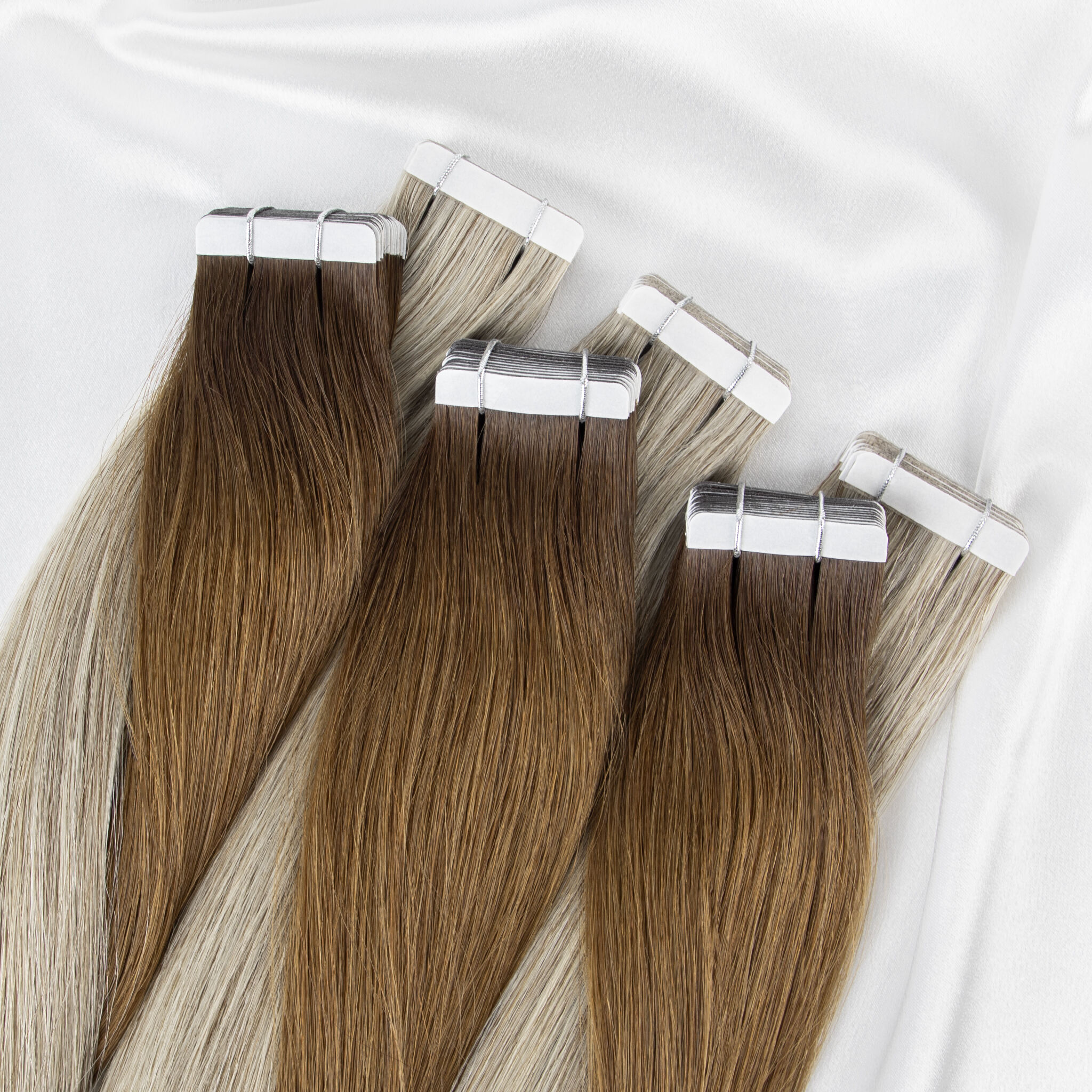
If you have invested in a quality set of human hair tape-in extensions, one of the first practical questions you will ask is whether you can reuse them after removal. The short answer is yes — but with important conditions. Unlike synthetic alternatives, human hair tape-in extensions are made from real hair that can withstand multiple application cycles when handled correctly. Understanding what makes reuse possible, and what causes premature degradation, is essential for anyone looking to maximize the value of their investment.
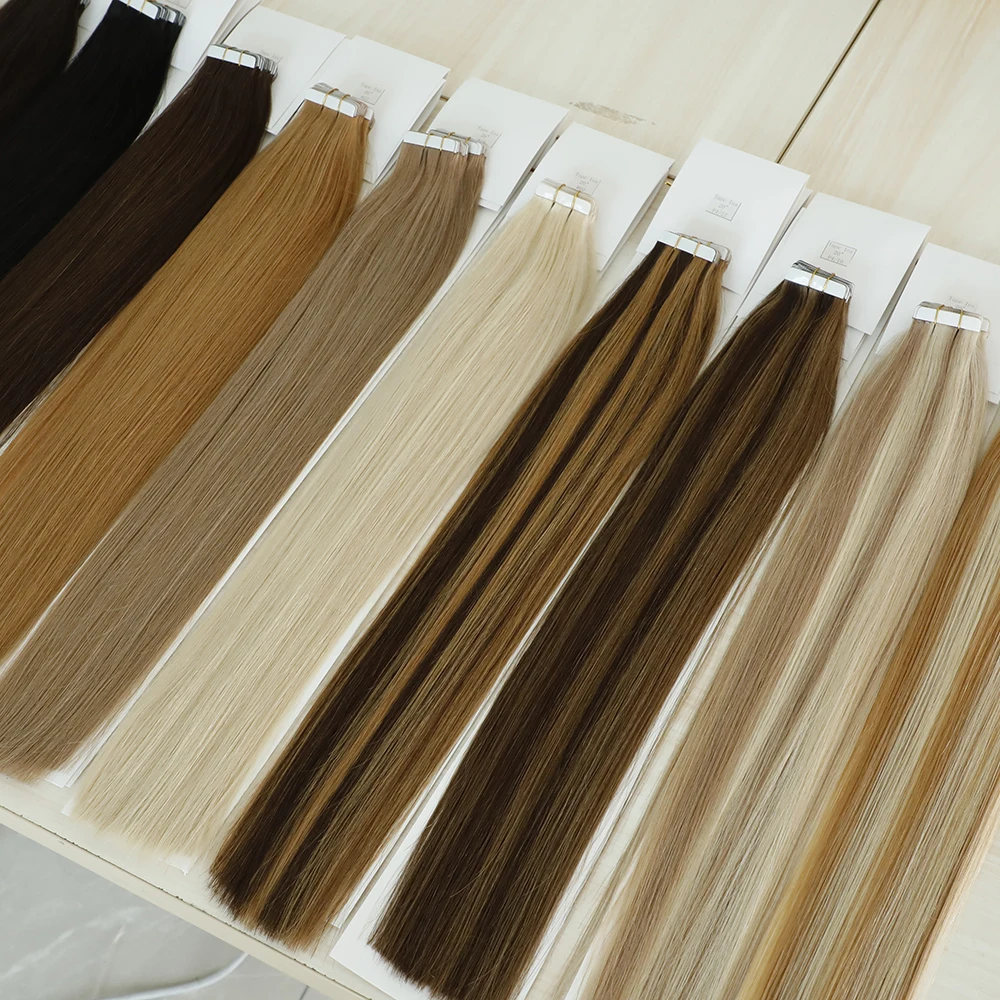
The reusability of human hair tape-in extensions depends on several interconnected factors: the quality of the hair itself, the removal technique used, how the adhesive tabs are replaced, and the ongoing care routine between applications. A well-maintained set of premium human hair tape-in extensions can typically be reused two to four times before the hair strands begin to show significant wear. This guide breaks down exactly what determines that lifespan and how to extend it as far as possible.
Understanding How Human Hair Tape-In Extensions Are Constructed
The Role of Hair Quality in Reusability
Not all human hair tape-in extensions are built the same way, and construction quality is the single biggest factor in how many reuse cycles you can realistically expect. Remy human hair tape-in extensions, where all cuticles run in the same direction, resist tangling and matting far better than non-Remy alternatives. Double-drawn human hair tape-in extensions, which have a consistent thickness from root to tip, also hold up better through repeated removal and reapplication because there is no thinning at the ends that accelerates breakage.
The weft construction matters as well. A tightly sewn or sealed weft edge prevents shedding during removal, which is one of the primary causes of hair loss between cycles. When evaluating human hair tape-in extensions for long-term use, the integrity of the weft edge is just as important as the softness or shine of the hair itself. Extensions with reinforced weft edges retain more strands through each removal cycle, directly extending usable life.
Color-treated human hair tape-in extensions, including ombre styles, require additional consideration. Chemical processing weakens the hair shaft over time, so extensions that have been factory-colored may have a slightly shorter reuse window than virgin hair versions. This does not mean they cannot be reused — it simply means the care protocol needs to be more attentive to moisture and heat management.
How the Adhesive Tab Affects the Hair Strand
The adhesive tab on human hair tape-in extensions is not a permanent part of the weft — it is a consumable component that must be replaced with each new application cycle. The tab itself does not damage the hair strand if the correct removal process is followed. Problems arise when the adhesive is pulled away forcefully or when chemical removers are applied too aggressively, causing the hair near the tab attachment point to weaken or break.
High-quality replacement tape tabs are specifically designed for human hair tape-in extensions and use a medical-grade adhesive that bonds securely without penetrating the hair shaft. Using the correct replacement tabs is non-negotiable for successful reuse. Generic or low-quality adhesive tabs can leave residue that is difficult to remove cleanly, which compromises the bond in the next application and accelerates wear on the hair strands.
The Correct Removal Process for Preserving Reusability
Why Removal Technique Determines Future Cycles
The removal stage is where most of the damage to human hair tape-in extensions occurs. Rushing the process or using the wrong products at this stage can reduce a set that might have lasted four cycles down to one or two. The goal during removal is to dissolve the adhesive bond completely before applying any mechanical force to separate the weft from the natural hair. This requires patience and the right solvent.
Oil-based removers — including dedicated extension removal solutions and natural alternatives like coconut or almond oil — work by breaking down the adhesive without stripping moisture from the hair. The remover should be applied generously to the bond area and allowed to saturate for at least one to two minutes before any attempt is made to slide the weft free. Human hair tape-in extensions that are removed with adequate solvent saturation retain far more structural integrity than those pulled away prematurely.
After the weft is separated, residual adhesive on the hair strand must be removed completely before storage or reapplication. Leaving adhesive residue on human hair tape-in extensions causes the strands to clump, attracts lint and debris during storage, and prevents the new tape tab from bonding evenly. A clean, residue-free weft is the foundation of a successful reuse cycle.
Cleaning and Conditioning After Removal
Once removed and cleared of adhesive residue, human hair tape-in extensions should be gently washed with a sulfate-free shampoo and a moisturizing conditioner. This step removes any product buildup that has accumulated during the wear period and restores softness to the hair shaft. Skipping this step and storing the extensions without cleaning them leads to fiber degradation between cycles.
After washing, human hair tape-in extensions should be air-dried flat or hung vertically — never bunched or folded while wet. Drying them under tension or in a compressed state causes the hair to set in an unnatural shape that is difficult to correct. Once fully dry, a light application of a leave-in conditioner or argan oil helps maintain the cuticle layer and keeps the hair looking fresh for the next application.
Reapplication: What Changes Each Cycle
Replacing the Tape Tabs Correctly
Every reuse cycle of human hair tape-in extensions requires fresh adhesive tabs. The original tabs cannot be reactivated or reused — attempting to do so results in a weak bond that fails prematurely and can cause the extensions to slip or detach unexpectedly. Replacement tabs are widely available and are a minor cost relative to the value of the hair itself, making this a straightforward part of the maintenance routine.
When applying new tabs to human hair tape-in extensions, the weft must be completely dry and free of any oil or conditioner residue near the attachment area. Even a small amount of residual oil from the removal process can prevent the adhesive from bonding properly. Many professionals recommend wiping the weft edge with a small amount of isopropyl alcohol before applying the new tab to ensure a clean, oil-free surface.
The placement of the new tab should align precisely with the original tab position on the weft. Misaligned tabs create uneven pressure on the hair strand during wear, which accelerates stress at the attachment point and reduces the number of future cycles the human hair tape-in extensions can withstand.
Assessing Wear Before Each Reapplication
Before reapplying human hair tape-in extensions, each weft should be inspected individually. Look for signs of excessive shedding at the weft edge, significant thinning at the ends, or any areas where the hair has become brittle or prone to breakage. Extensions showing these signs should be retired from use rather than reapplied, as they will not blend naturally and may cause additional stress on the natural hair they are bonded to.
Human hair tape-in extensions that pass the inspection can be sorted by condition and reapplied strategically. Wefts in the best condition are typically placed in the most visible areas, while those showing minor wear can be positioned in less prominent sections. This approach extends the overall usable life of the set by distributing wear more evenly across applications.
Daily Care Practices That Extend Reuse Life
Heat Styling and Its Impact on Longevity
One of the primary advantages of human hair tape-in extensions over synthetic options is the ability to use heat styling tools. However, frequent high-heat styling is also one of the fastest ways to reduce the number of reuse cycles available. Heat above 180°C applied repeatedly to the same sections of hair causes cumulative protein damage that cannot be reversed with conditioning treatments.
To preserve the reusability of human hair tape-in extensions, heat protectant should be applied before every styling session, and the lowest effective temperature should be used. Rotating styling techniques — alternating between heat and heatless methods — also reduces cumulative thermal stress. Extensions that are heat-styled conservatively through one wear cycle will be noticeably healthier at removal than those subjected to daily high-heat styling.
Washing Frequency and Product Selection
Human hair tape-in extensions do not receive natural oils from the scalp the way natural hair does, which means they are more susceptible to dryness with frequent washing. Washing too often strips the hair of moisture and weakens the adhesive bond simultaneously. Most professionals recommend washing human hair tape-in extensions no more than two to three times per week while they are installed.
Product selection is equally important. Shampoos and conditioners containing sulfates, alcohol, or heavy silicones should be avoided, as these ingredients either strip moisture or leave buildup that is difficult to remove cleanly at the end of the wear cycle. Lightweight, moisturizing formulas designed for color-treated or chemically processed hair are the safest choice for maintaining human hair tape-in extensions between applications.
Sleeping with hair loosely braided or in a low ponytail reduces friction against pillowcases, which is a significant but often overlooked source of wear on human hair tape-in extensions. A silk or satin pillowcase further reduces this friction and helps the hair retain moisture overnight, contributing to better condition at removal time.
FAQ
How many times can human hair tape-in extensions typically be reused?
Most high-quality human hair tape-in extensions can be reused between two and four times when properly removed, cleaned, and stored. Remy and double-drawn varieties tend to last toward the higher end of that range. The actual number depends heavily on the removal technique used, the care routine during wear, and how frequently heat styling is applied.
Do I need to replace the tape tabs every time I reapply the extensions?
Yes, the adhesive tabs must be replaced with every new application cycle. The original tabs cannot be reactivated and will not provide a reliable bond if reused. Fresh replacement tabs designed specifically for human hair tape-in extensions are required for each cycle to ensure proper adhesion and to protect the hair strand from stress caused by a weak or uneven bond.
Can I reuse human hair tape-in extensions if they have been colored or highlighted?
Yes, color-treated human hair tape-in extensions can be reused, but they may have a slightly shorter reuse window than virgin hair versions due to the additional processing the hair has undergone. Maintaining adequate moisture through conditioning treatments and minimizing additional heat exposure during wear will help preserve the integrity of color-treated extensions across multiple cycles.
What is the best way to store human hair tape-in extensions between uses?
After cleaning and drying, human hair tape-in extensions should be stored flat in a cool, dry location away from direct sunlight. Many users store them in the original packaging or in a dedicated extension storage bag. Keeping the wefts flat and untangled prevents the hair from setting in a compressed shape and makes the next application process significantly easier. Avoid storing them in humid environments, as moisture can affect both the hair quality and the adhesive tabs.