 EN
EN
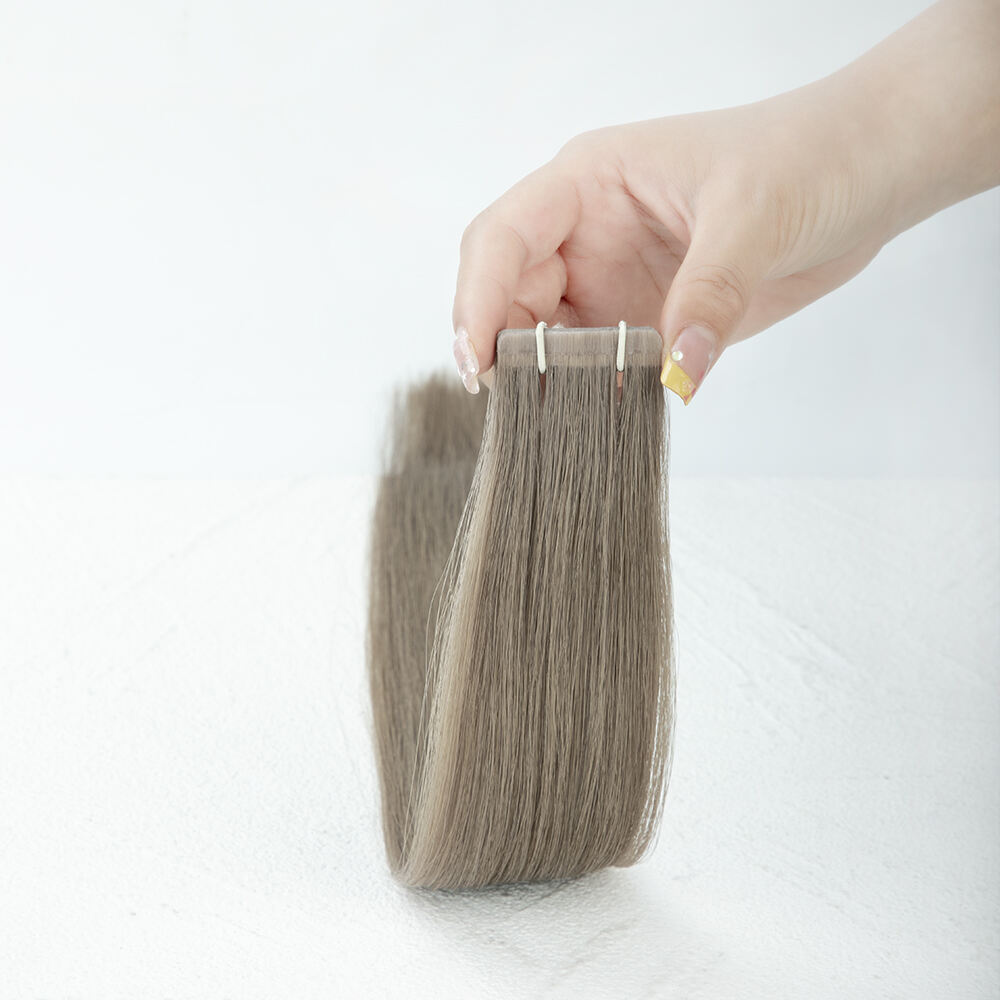
Choosing the right tape hair extensions is one of the most important decisions you can make when it comes to enhancing your hair's length, volume, or overall appearance. Unlike clip-ins or sew-in methods, tape hair extensions bond directly to your natural hair using a thin adhesive strip, which means compatibility with your specific hair type is not just a preference — it is a necessity. The wrong match can lead to slippage, visible bonds, or even damage to your natural strands, while the right match delivers a seamless, long-lasting result that looks and feels completely natural.
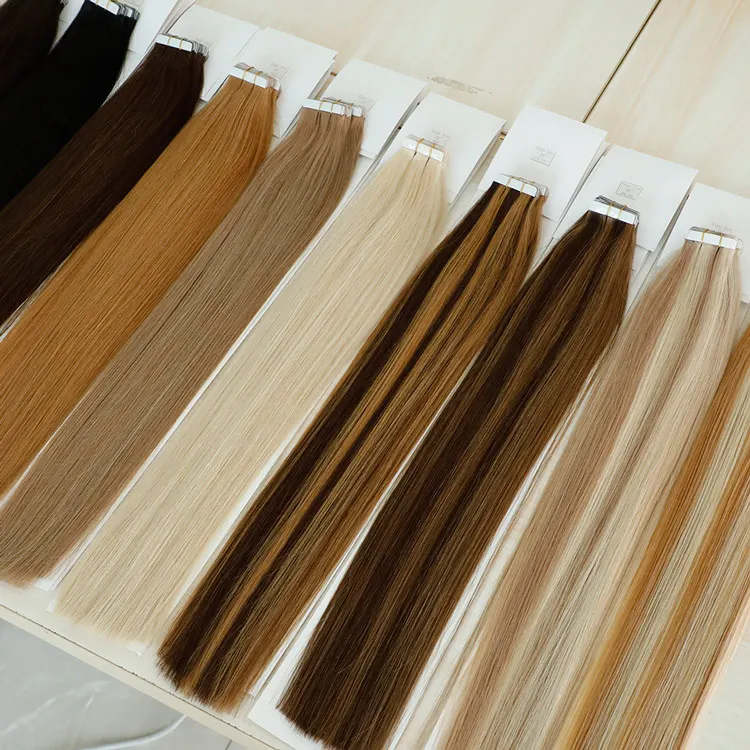
Understanding how tape hair extensions interact with different hair textures, densities, and conditions is the foundation of making a smart choice. Whether your hair is fine and straight, thick and coily, chemically treated, or somewhere in between, there is a specific approach to selecting and applying tape hair extensions that will work best for you. This guide walks you through the key factors to evaluate so you can make a confident, informed decision before your next salon appointment or purchase.
Understanding What Makes Tape Hair Extensions Different
The Mechanics of the Tape Bond
Tape hair extensions use a pre-applied adhesive weft that sandwiches a thin section of your natural hair between two extension panels. This flat, low-profile bond sits close to the scalp and distributes weight evenly across a wider surface area compared to other extension methods. Because of this design, tape hair extensions tend to feel lighter and more comfortable during extended wear, which is a significant advantage for people with finer or more delicate hair.
The adhesive used in quality tape hair extensions is typically a medical-grade or keratin-based glue that is strong enough to hold through washing and styling but gentle enough to be removed without causing breakage when done correctly. The bond's performance, however, is directly influenced by the texture and condition of the natural hair it is applied to. This is why hair type compatibility is such a central consideration when choosing tape hair extensions.
High-quality tape hair extensions, such as those made from Remy human hair, are designed to mimic the natural cuticle alignment of real hair. This means they blend more naturally, resist tangling, and respond to heat styling in a way that closely matches your own hair. When evaluating tape hair extensions, the quality of both the hair fiber and the adhesive strip should be assessed together, not separately.
Why Hair Type Compatibility Matters
Not every tape hair extension product performs equally across all hair types. A product that works beautifully on medium-density, straight hair may slip or look unnatural on very fine or very thick hair. The weight of the extension weft, the strength of the adhesive, and the texture of the hair fiber all need to align with your natural hair's characteristics to achieve the best result.
Hair type compatibility also affects how long your tape hair extensions will last. Extensions applied to oily roots, for example, may experience adhesive breakdown faster than those applied to drier hair. Similarly, extensions placed on hair that is too fine may not provide enough surface area for the bond to hold securely. Understanding these dynamics before you choose tape hair extensions saves time, money, and potential frustration.
Choosing Tape Hair Extensions for Fine or Thin Hair
Key Considerations for Fine Hair
Fine hair is one of the most common hair types that benefits from tape hair extensions, but it also requires the most careful selection. Because fine hair has a smaller diameter per strand and often lower overall density, the weight of the extension weft must be carefully managed. Overloading fine hair with heavy tape hair extensions can cause tension at the roots, leading to discomfort or, in more serious cases, traction-related hair loss over time.
For fine hair, it is advisable to choose tape hair extensions that are cut into narrower weft widths. Standard wefts are typically around 4 centimeters wide, but narrower options around 2.5 to 3 centimeters are better suited to fine hair because they reduce the weight load on each bonded section. Additionally, selecting extensions made from double-drawn Remy hair ensures that the weft is full from root to tip without being excessively thick, which helps maintain a natural look without overwhelming fine strands.
Placement strategy is equally important for fine hair. A skilled stylist will position tape hair extensions lower on the head and avoid placing them too close to the hairline or crown, where fine hair is most vulnerable. Proper placement ensures that the bonds remain hidden and that the natural hair is not subjected to unnecessary stress.
Texture and Color Matching for Fine Hair
Fine hair tends to be straighter and more reflective of light, which means that tape hair extensions with a slightly silkier texture will blend more seamlessly. Choosing extensions with a smooth, fine texture that mirrors your own hair's natural feel is essential for an undetectable finish. Coarser or thicker extension fibers will stand out visually and texturally against fine natural hair, no matter how well the color is matched.
Color matching for fine hair also requires extra attention because fine hair often has more visible light reflection. A color that is even slightly off can appear more noticeable against fine strands. Opting for tape hair extensions that offer a range of shades, including highlights and lowlights, allows for a more dimensional and natural-looking blend.
Choosing Tape Hair Extensions for Thick or Coarse Hair
Managing Volume and Weight with Thick Hair
Thick or coarse hair presents a different set of challenges when it comes to tape hair extensions. The primary concern is ensuring that the extension weft is substantial enough to blend with the natural hair's density without looking thin or sparse. For thick hair, double-drawn tape hair extensions are particularly valuable because they maintain consistent thickness throughout the weft, which helps the extensions integrate naturally with the fuller volume of thick hair.
The adhesive bond on tape hair extensions applied to thick hair needs to be strong and reliable. Thick hair creates more tension on the bond simply due to its weight and volume, so choosing tape hair extensions with a high-quality, durable adhesive is non-negotiable. Extensions that use a medical-grade adhesive strip are generally more reliable for thick hair types because they maintain their hold even under the added stress of heavier natural hair.
Sectioning is also more complex with thick hair. More rows of tape hair extensions may be needed to achieve a seamless blend, and each section of natural hair sandwiched between the extension panels must be thin enough to allow the bond to lie flat. A stylist experienced with tape hair extensions will know how to section thick hair properly to avoid bulky or visible bonds.
Texture Matching for Coarse or Wavy Hair
Coarse or wavy hair requires tape hair extensions that can be styled to match the natural texture. Straight extensions applied to wavy hair will look mismatched unless they are regularly curled or waved to blend in. Choosing tape hair extensions made from high-quality Remy human hair is especially important here because Remy hair can be heat-styled, curled, and treated much like natural hair, giving you the flexibility to match your natural texture consistently.
For naturally wavy or curly hair types, it is worth discussing with your stylist whether tape hair extensions are the most practical choice or whether a different method might offer better long-term compatibility. That said, many people with wavy hair do use tape hair extensions successfully by selecting the right texture and committing to a consistent styling routine that keeps the extensions blended with their natural waves.
Choosing Tape Hair Extensions for Chemically Treated or Damaged Hair
Assessing Hair Health Before Application
Chemically treated hair — whether colored, bleached, permed, or relaxed — requires extra caution when considering tape hair extensions. The chemical processes that alter hair structure can weaken the hair shaft and make it more susceptible to breakage, especially when additional weight or adhesive is introduced. Before applying tape hair extensions to chemically treated hair, a thorough assessment of the hair's current health and integrity is essential.
Hair that is severely damaged, overly porous, or prone to breakage may not be a suitable candidate for tape hair extensions until it has been restored to a healthier condition. Applying tape hair extensions to compromised hair can accelerate damage and make removal more difficult. A professional stylist should evaluate the hair's elasticity and strength before proceeding with any tape hair extension application on chemically treated hair.
If the hair is in reasonably good condition despite chemical treatment, tape hair extensions can still be a viable option. In this case, choosing extensions that are gentle on the hair — such as those with a flexible, non-damaging adhesive — and following a careful maintenance routine will help protect the natural hair throughout the wear period.
Maintenance Considerations for Treated Hair
Chemically treated hair often requires more frequent conditioning and moisture replenishment, and this routine must be adapted when wearing tape hair extensions. Heavy conditioners and oil-based products applied near the roots can break down the adhesive bond of tape hair extensions, causing them to slip or fall out prematurely. Choosing lightweight, extension-safe hair care products is critical for maintaining both the health of the natural hair and the longevity of the tape hair extensions.
Regular maintenance appointments are also more important for chemically treated hair wearing tape hair extensions. As the natural hair grows and the bonds move away from the scalp, the risk of tangling and matting increases, particularly for hair that is already prone to dryness or texture irregularities. Scheduling move-up appointments every six to eight weeks helps keep the tape hair extensions in optimal condition and prevents unnecessary stress on the natural hair.
Key Factors to Evaluate When Selecting Tape Hair Extensions
Hair Quality and Construction
The quality of the hair used in tape hair extensions has a direct impact on how natural they look, how long they last, and how well they respond to styling. Remy human hair is widely regarded as the highest quality option for tape hair extensions because the cuticles are kept intact and aligned in the same direction, which minimizes tangling and maintains a smooth, natural appearance over time. Non-Remy or synthetic hair, by contrast, tends to tangle more easily, loses its luster faster, and cannot be heat-styled as effectively.
Double-drawn tape hair extensions offer an additional quality advantage by ensuring that the weft is consistently full from top to bottom, with shorter hairs removed so that only strands of similar length remain. This construction creates a thicker, more voluminous result that blends naturally with most hair types. When evaluating tape hair extensions, always ask whether the hair is single-drawn or double-drawn, as this distinction significantly affects the final appearance.
Adhesive Strength and Removal Safety
The adhesive used in tape hair extensions must strike a careful balance between holding power and safe removability. An adhesive that is too weak will cause the extensions to slip during normal activity, while one that is too aggressive can cause damage during removal. Medical-grade adhesives and keratin-based bonds are generally considered the safest and most reliable options for tape hair extensions because they are designed to be dissolved safely with a professional removal solution.
Always ensure that your tape hair extensions are removed by a professional using the appropriate solvent. Attempting to pull or peel the bonds off without proper removal solution can cause significant breakage and damage to the natural hair. The ease and safety of removal should be a key factor in your selection process, particularly if you plan to reuse the tape hair extensions after a re-tape service.
Weft Width and Weight Selection
Tape hair extensions come in a range of weft widths and weights, and selecting the right combination for your hair type is essential for both comfort and aesthetics. As discussed earlier, finer hair benefits from narrower, lighter wefts, while thicker hair can accommodate wider, heavier wefts. Most professional tape hair extension systems offer wefts in widths ranging from 1.5 centimeters to 4 centimeters, giving stylists the flexibility to customize the application based on individual hair characteristics.
Weight is another dimension to consider. Standard tape hair extension packs typically contain a set number of wefts with a total weight measured in grams. For a full head application, the total weight of tape hair extensions used should be proportional to the density and strength of the natural hair. Overloading the hair with too many or too heavy tape hair extensions is one of the most common mistakes that leads to discomfort and long-term damage.
FAQ
Can tape hair extensions be applied to very short hair?
Tape hair extensions generally require a minimum hair length of around 10 to 15 centimeters to ensure that the bond can be properly concealed and that the natural hair provides enough surface area for the adhesive to grip. Hair shorter than this may not hold the extensions securely, and the bonds may be visible. If your hair is shorter than the recommended minimum, it is worth consulting with a professional stylist to determine whether tape hair extensions are currently suitable or whether waiting for additional growth would produce a better result.
How long do tape hair extensions typically last?
With proper care and maintenance, tape hair extensions can last between six to twelve weeks before a move-up appointment is needed. The extensions themselves, if made from high-quality Remy human hair, can often be reused two to three times with a re-tape service, extending their overall lifespan significantly. Factors such as hair type, lifestyle, product use, and how well the maintenance routine is followed all influence how long tape hair extensions remain in good condition between appointments.
Are tape hair extensions suitable for oily hair?
Oily hair can be more challenging for tape hair extensions because excess sebum and scalp oils can migrate down the hair shaft and weaken the adhesive bond over time. This does not mean tape hair extensions are impossible for oily hair types, but it does require more diligent maintenance. Keeping the roots clean with a clarifying or extension-safe shampoo, avoiding heavy oil-based products near the bonds, and scheduling more frequent maintenance appointments can help tape hair extensions perform well even on oilier hair types.
What is the difference between single-drawn and double-drawn tape hair extensions?
Single-drawn tape hair extensions contain a mix of hair lengths within the weft, meaning the weft is thicker at the top and tapers toward the ends, similar to how natural hair grows. Double-drawn tape hair extensions have the shorter hairs removed so that the weft maintains a consistent thickness from root to tip. For most people seeking volume and a full appearance, double-drawn tape hair extensions deliver a more polished and natural-looking result, though they are typically priced higher due to the additional processing involved in their construction.