 EN
EN
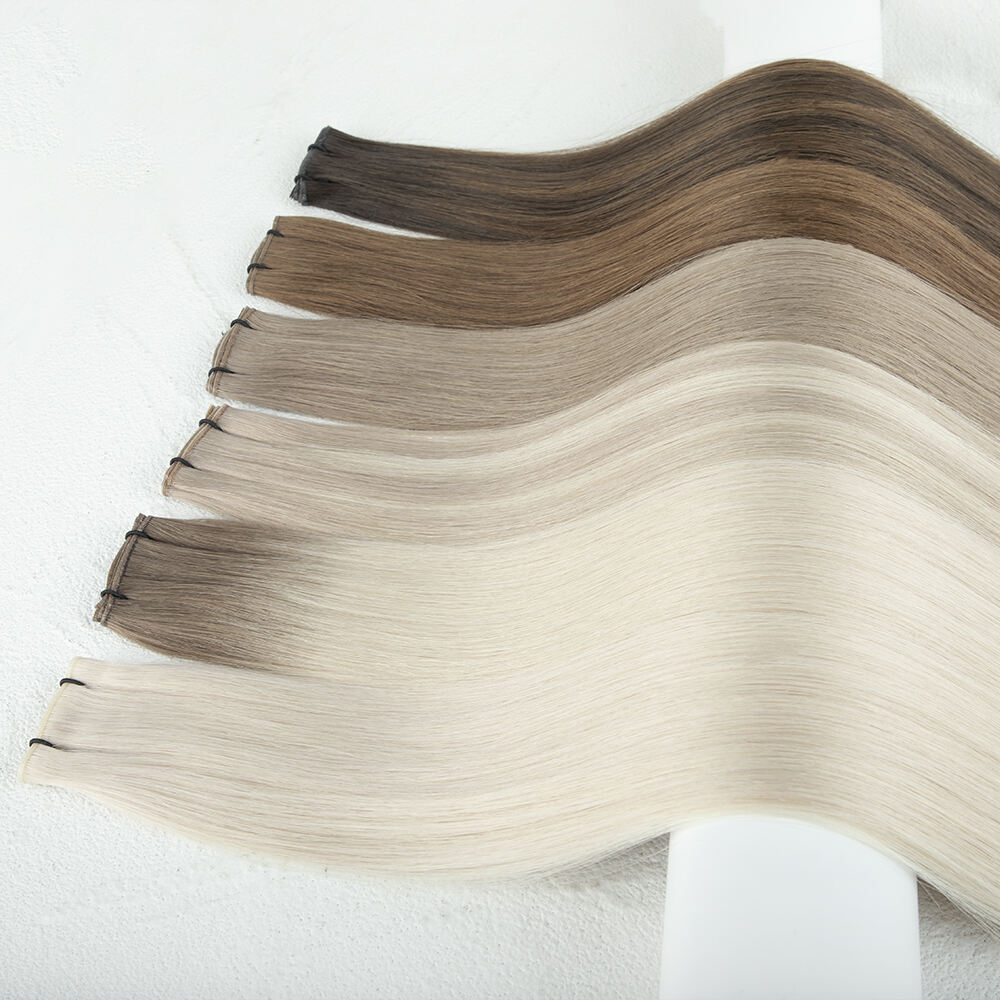
When it comes to achieving truly transformative hairstyles, few tools offer the flexibility and creative range that weft hair brings to the table. Whether you are a professional stylist working in a high-volume salon or an individual looking to elevate your everyday look, weft hair has become one of the most sought-after solutions in the modern hair extension market. Its unique construction, application versatility, and natural finish make it a go-to choice for anyone serious about styling results that look and feel authentic.
Understanding how weft hair can genuinely expand your styling versatility requires looking beyond surface-level appeal. The real transformation happens when you explore the range of application methods, the adaptability to different hair textures, and the long-term styling freedom that quality weft hair provides. This article breaks down exactly how weft hair delivers on that promise and why it continues to be a preferred choice among stylists and consumers who demand both performance and aesthetics.
What Makes Weft Hair Uniquely Versatile
The Construction Behind the Flexibility
The structural design of weft hair is what sets it apart from other extension formats. A weft is essentially a curtain of hair strands sewn or bonded along a horizontal track, which can then be applied to the natural hair in multiple ways. This track-based construction allows the weft hair to lie flat against the scalp, creating a seamless blend that is difficult to detect even under close inspection.
Because the hair is anchored along a continuous track rather than in individual bonds or clips, weft hair distributes weight more evenly across the application area. This reduces tension on the natural hair and allows for a more comfortable wear experience over extended periods. The even weight distribution also means that weft hair moves naturally with the rest of the hair, contributing to a more convincing and polished result.
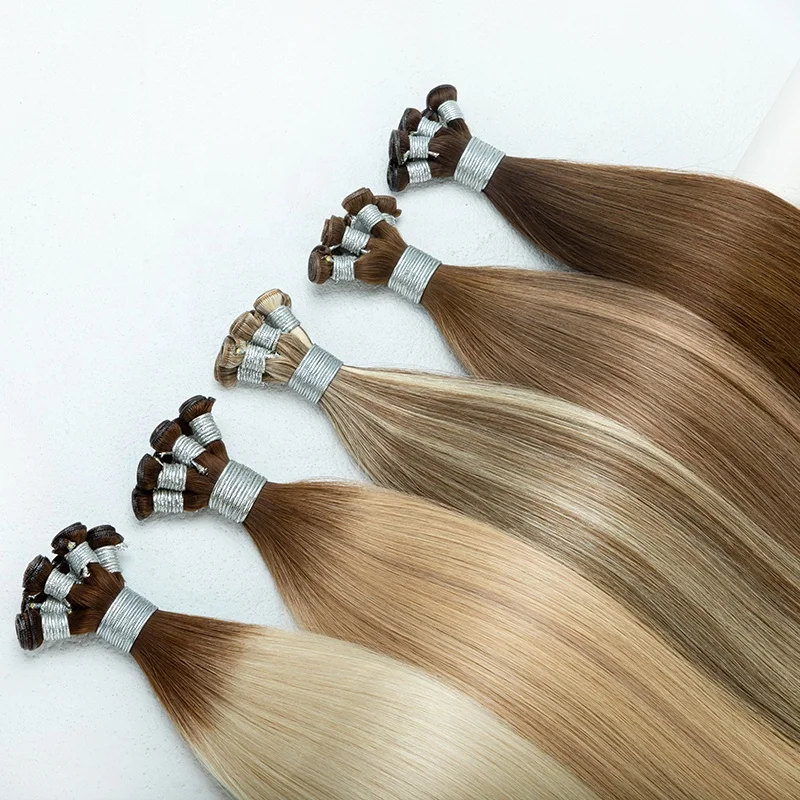
Modern innovations in weft hair construction, such as hand-tied and genius weft formats, have further refined this flexibility. Hand-tied weft hair, in particular, features an ultra-thin, flexible track that conforms closely to the curve of the head, making it suitable for a wider range of head shapes and hair densities than traditional machine-sewn wefts.
Compatibility Across Hair Types and Textures
One of the most compelling aspects of weft hair is its compatibility with a broad spectrum of natural hair types. From fine, straight hair to thick, coily textures, weft hair can be sourced and selected to match virtually any natural profile. This compatibility is not accidental — it is the result of careful sourcing and processing that preserves the cuticle alignment and natural texture of the hair used in the weft.
For clients with finer hair, lightweight weft hair options provide volume and length without overwhelming the natural strands. For those with thicker or coarser hair, denser weft hair tracks blend seamlessly and hold up to the styling demands that come with managing high-volume hair. This cross-texture compatibility is a key reason why weft hair has become a staple in diverse salon environments.
The ability to color, heat-style, and chemically treat quality weft hair also adds to its versatility. When sourced from high-grade human hair, weft hair responds to styling tools and treatments much like natural hair, allowing stylists to customize the look without compromising the integrity of the extension.
How Weft Hair Expands Your Application Options
Sew-In and Beaded Row Methods
The sew-in method remains one of the most widely used techniques for applying weft hair, and for good reason. By braiding the natural hair into cornrows and sewing the weft tracks directly onto those braids, stylists can create a secure, long-lasting installation that supports significant length and volume additions. This method is particularly effective for clients who want a dramatic transformation that lasts several weeks without daily maintenance concerns.
The beaded row method, which has gained significant traction in recent years, offers a more flexible alternative. In this approach, small silicone-lined beads are used to anchor a horizontal row of natural hair, and the weft hair is then sewn onto this row. The result is a lightweight, damage-minimizing installation that is easier to move and adjust as the natural hair grows. Weft hair applied via the beaded row method also allows for more natural movement and a flatter profile against the scalp.
Both methods benefit enormously from the flat, flexible track of quality weft hair. The thinner the weft track, the more naturally it sits against the scalp, and the more convincingly it integrates with the natural hair. This is why hand-tied weft hair has become particularly popular for beaded row applications — its minimal track thickness makes it nearly invisible even in updos and high ponytails.
Tape-In and Clip-In Adaptations
While weft hair is most commonly associated with sewn or beaded installations, it is also the foundation for tape-in and clip-in extension formats. Tape-in extensions are essentially small sections of weft hair with a pre-applied adhesive strip, allowing for a quick and relatively flat installation that works well for clients who want a semi-permanent option without the commitment of a full sew-in.
Clip-in extensions, on the other hand, use small pressure clips attached to sections of weft hair, enabling the wearer to add and remove the extensions at will. This format is ideal for clients who want styling versatility on a day-to-day basis — the ability to add length and volume for a special occasion and return to their natural look the next day. The quality of the underlying weft hair directly determines how well these clip-in pieces blend, hold their style, and withstand repeated use.
Understanding that weft hair is the core component across multiple extension formats helps clarify why investing in high-quality weft hair matters regardless of the application method chosen. The same principles of cuticle alignment, track flexibility, and texture matching apply whether the weft is being sewn, taped, or clipped into place.
Styling Freedom That Weft Hair Unlocks
Volume, Length, and Density on Demand
The most immediate transformation that weft hair delivers is the ability to add volume, length, and density precisely where it is needed. For clients experiencing thinning at the crown or temples, strategically placed weft hair tracks can restore the appearance of a full, healthy head of hair without any surgical intervention. For those who simply want more length or body, weft hair provides a customizable solution that can be tailored to the exact outcome desired.
This on-demand customization is a significant advantage over other styling approaches. Unlike wigs or hairpieces, weft hair integrates directly with the natural hair, allowing the wearer to style both together as a unified whole. The result is a look that moves, behaves, and responds to styling tools exactly as natural hair would — because in large part, it is natural hair.
Stylists who work regularly with weft hair often describe the experience as having a broader creative palette. The ability to add density in specific zones, extend length by several inches, or create a blunt, voluminous finish that would be impossible with the client's natural hair alone opens up a range of styling possibilities that simply do not exist without weft hair in the toolkit.
Color and Texture Experimentation Without Commitment
One of the more underappreciated ways that weft hair transforms styling versatility is through its role in color and texture experimentation. Many clients are hesitant to chemically alter their natural hair for fear of damage or dissatisfaction with the result. Weft hair provides a way to explore bold colors, highlights, balayage effects, or textural changes without applying any chemical treatment to the natural hair itself.
A stylist can pre-color weft hair to match a desired look and install it alongside the client's natural hair, creating the visual effect of a full color treatment without any chemical exposure to the scalp or natural strands. This approach is particularly popular for clients who want to try vivid fashion colors or dramatic highlights before committing to a permanent change.
Similarly, weft hair with a different texture — whether straighter, wavier, or more voluminous than the client's natural hair — can be blended in to create a mixed-texture look that adds dimension and visual interest. This kind of creative layering is only possible because of the seamless integration that quality weft hair enables.
Practical Considerations for Maximizing Weft Hair Versatility
Choosing the Right Weft Format for Your Goals
Not all weft hair formats are equally suited to every styling goal, and understanding the differences is essential for maximizing the versatility that weft hair offers. Machine-sewn weft hair is typically more durable and better suited for high-density installations where longevity is the priority. Hand-tied weft hair, with its thinner track and more flexible construction, is better suited for lightweight installations, fine hair clients, and applications where a flat, invisible profile is critical.
Genius weft hair represents a newer category that combines elements of both machine and hand-tied construction, offering a track that is thin and flexible like a hand-tied weft but more resistant to shedding and unraveling. For stylists who want the aesthetic benefits of hand-tied weft hair with greater durability, genius weft formats are worth serious consideration.
The choice of weft hair format should always be guided by the client's natural hair condition, the desired styling outcome, and the application method being used. A thorough consultation before installation ensures that the selected weft hair format aligns with both the client's expectations and the practical demands of their lifestyle.
Maintenance Practices That Preserve Styling Range
The long-term styling versatility of weft hair depends heavily on how well it is maintained between installations. Quality weft hair, when properly cared for, can be reinstalled multiple times without significant degradation in appearance or performance. This reusability is both a cost advantage and a sustainability benefit that makes weft hair an increasingly attractive option for conscious consumers.
Proper maintenance includes using sulfate-free shampoos and conditioners that cleanse without stripping the hair's natural moisture, avoiding excessive heat without a protective product, and detangling gently from the ends upward to prevent unnecessary stress on the weft track. Clients who follow these practices consistently find that their weft hair retains its luster, softness, and blendability far longer than those who treat it as a disposable product.
Regular salon visits for maintenance appointments also play a critical role. As the natural hair grows, the weft hair tracks move away from the scalp, which can affect both the appearance and the comfort of the installation. Timely move-up appointments ensure that the weft hair continues to sit correctly and that the styling versatility it provides remains intact throughout the wear period.
FAQ
How long does weft hair typically last with regular use?
The lifespan of weft hair depends on the quality of the hair, the application method, and how well it is maintained. High-quality human weft hair that is properly cared for can last anywhere from six months to over a year, and in many cases can be reinstalled multiple times. Machine-sewn weft hair tends to be more durable, while hand-tied weft hair may require more careful handling to prevent track wear.
Can weft hair be colored after installation?
Yes, human weft hair can generally be colored after installation, though it is always preferable to color the weft hair before installation for more controlled results. It is important to note that weft hair that has already been processed or colored may respond differently to additional chemical treatments, so a strand test is always recommended. Consulting with a professional colorist who has experience working with weft hair will help ensure the best outcome.
Is weft hair suitable for clients with fine or thinning hair?
Weft hair can be an excellent option for clients with fine or thinning hair, provided the correct format and application method are chosen. Hand-tied weft hair is particularly well-suited for this demographic because its thin, lightweight track minimizes tension on fragile strands. A skilled stylist will assess the client's hair density and scalp condition before recommending a specific weft hair format and installation approach to ensure both comfort and a natural-looking result.
How does weft hair differ from other extension types like keratin bonds or tape-ins?
Weft hair differs from keratin bond and tape-in extensions primarily in its construction and application method. While keratin bonds attach individual strands using a heat-activated adhesive and tape-ins use pre-applied adhesive strips on small weft sections, traditional weft hair is applied as a continuous track sewn or beaded onto the natural hair. Weft hair generally offers more coverage per application and is often preferred for clients seeking significant volume or length additions, while individual bond methods may be better suited for targeted, localized enhancements.