 EN
EN

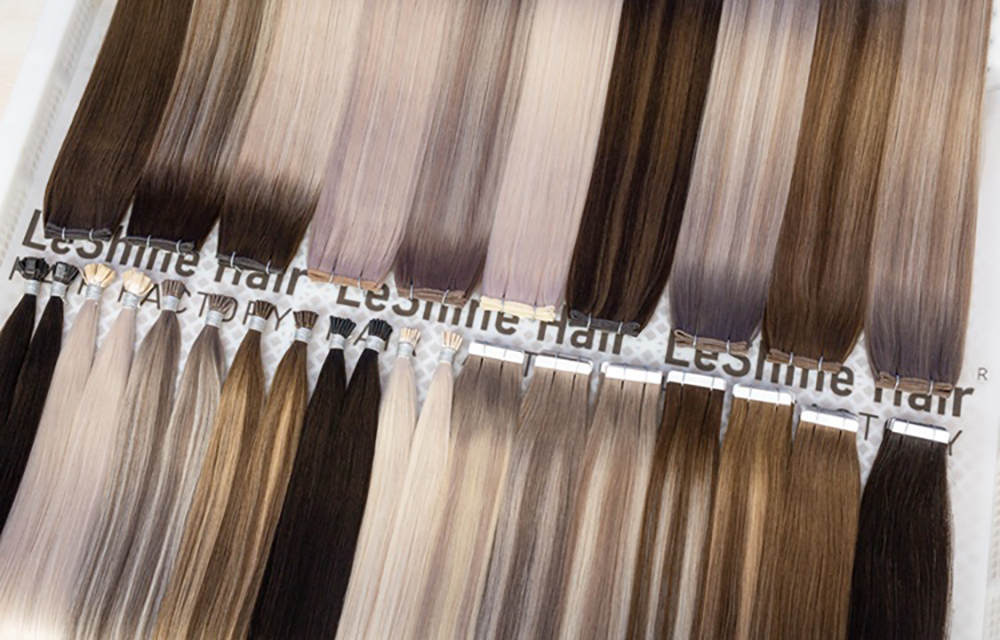
Lograr un aspecto natural con extensiones de cabello requiere más que simplemente adquirir productos de calidad; exige una técnica adecuada de instalación y comprender cómo funcionan los distintos métodos de aplicación. Ya sea que esté añadiendo longitud, volumen o cubriendo zonas finas, saber instalar correctamente extensiones de cabello humano constituye la base para obtener resultados que parezcan auténticamente crecidos desde su cuero cabelludo. Tanto los estilistas profesionales como los entusiastas que aplican extensiones en casa se benefician al dominar los principios fundamentales de colocación de las extensiones, manejo de la tensión y técnicas de integración que transforman productos básicos en extensiones de cabello impecables, que se sienten y lucen completamente naturales.
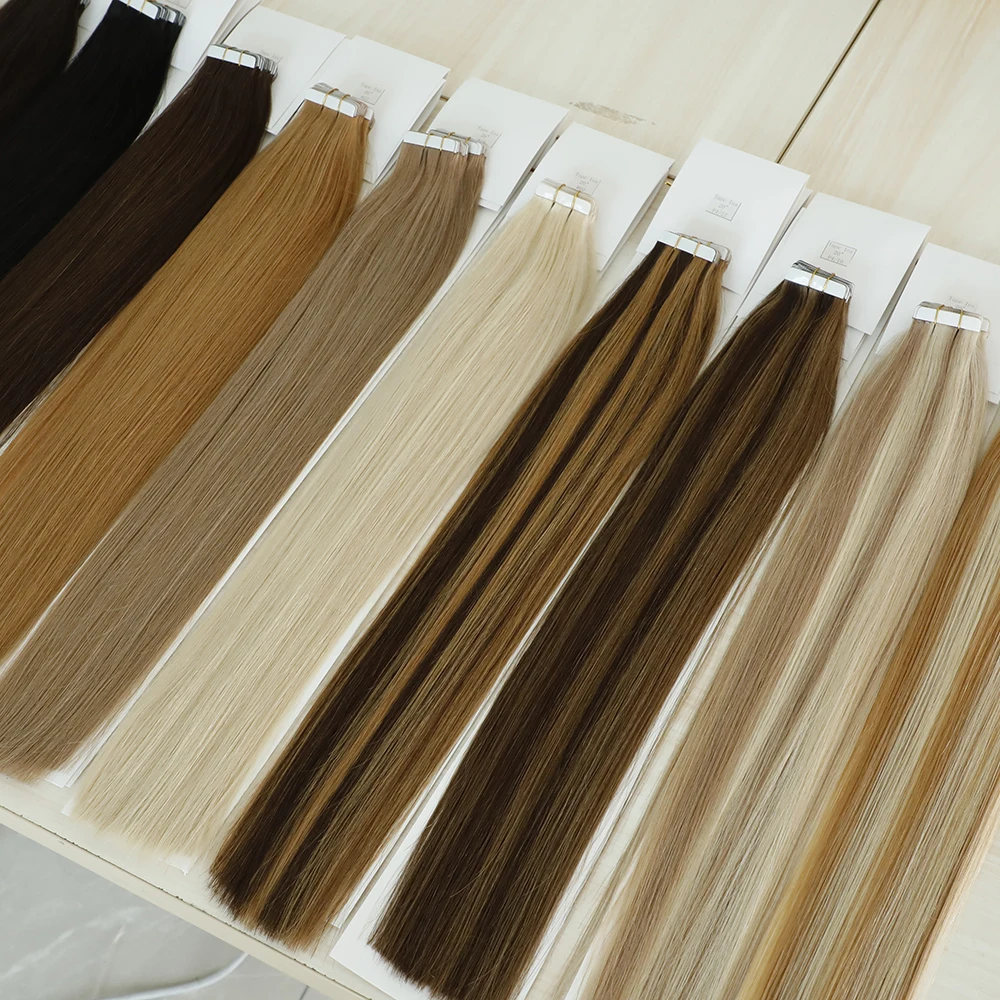
El proceso que va desde desempacar las extensiones hasta exhibir resultados pulidos e integrados implica pasos deliberados de preparación, división en secciones y acabado. Comprender los matices de extensiones de cabello humano los métodos de instalación le ayudan a evitar errores comunes que afectan la apariencia natural y la durabilidad de su inversión. Esta guía le explica cada etapa, desde la selección de los productos adecuados hasta la aplicación impecable de las técnicas, lo que le brinda la confianza de usar extensiones que se integran perfectamente con su cabello natural.
Preparación de su cabello natural y selección de los productos adecuados
Pasos fundamentales antes de la instalación
Una instalación exitosa comienza con una preparación minuciosa del cabello base. Comience lavando con un champú clarificante para eliminar acumulaciones, residuos y producto depósitos que puedan comprometer la adherencia o la integración. Seque completamente su cabello, ya que la humedad provoca deslizamiento y reduce la seguridad de cualquier método de instalación. Al prepararse para extensiones de cabello invisibles, considere dividir su cabello en zonas manejables usando pinzas o ligas, creando una hoja de ruta que oriente la colocación y garantice una distribución uniforme en toda la cabeza.
Desenredar es igualmente fundamental; utilice un peine de dientes anchos comenzando desde las puntas y avanzando hacia arriba para eliminar todos los enredos sin causar roturas. Preste especial atención a la nuca y alrededor de las orejas, donde suelen acumularse los nudos. Su cabello natural debe quedar completamente liso y pegado al cuero cabelludo, ya que cualquier abultamiento o irregularidad generará inconsistencias visibles en el estilo final. Para cabello fino o delicado, aplique un sérum protector o un aceite ligero para reducir la tensión durante la instalación, sin añadir peso ni deslizamiento.
Elección de materiales de extensiones capilares de calidad
La calidad de sus pelucas y extensiones de cabello humano afecta directamente el éxito de la instalación y su durabilidad. Las extensiones de cabello humano Remy mantienen la dirección de las cutículas, lo que reduce el enredamiento y prolonga la vida útil de su inversión. Busque paquetes con textura consistente, coincidencia de color y distribución uniforme del peso, alineados con las características de su cabello natural. Los formatos adhesivos, de pinza y cosidos requieren distintos enfoques de preparación; comprenda su método elegido antes de comprar para garantizar su compatibilidad con su tipo de cabello y su nivel de habilidad para la instalación.
Examine los métodos disponibles para aplicar extensiones de cabello y determine cuál se adapta mejor a su estilo de vida, presupuesto y nivel de comodidad. Las extensiones con cinta ofrecen una instalación rápida y no dañina, adecuada para aplicaciones y retiros frecuentes. Los métodos de costura brindan durabilidad y funcionan bien con tipos de cabello más gruesos y ásperos. Las opciones con pinzas ofrecen versatilidad temporal para experimentar con diferentes estilos. Su elección determina todo lo que sigue: desde las herramientas necesarias hasta la cronología de instalación y los requisitos de mantenimiento.
Técnicas fundamentales de instalación para una integración perfecta
Estrategia de división y colocación
Divida su cabello en zonas distintas: corona, laterales, nuca y capas inferiores. Este enfoque sistemático garantiza que las extensiones se distribuyan de forma uniforme y se fusionen de manera natural desde cualquier ángulo. Numere cada sección para mantener la coherencia y evitar espacios vacíos o superposiciones. Para lograr extensiones de cabello impecables, priorice la colocación de las extensiones en las secciones que refuercen el volumen natural de su cabello y donde la fusión sea más frecuente, como alrededor del rostro y en toda la zona de la corona.
El espaciado entre las extensiones es fundamental para lograr un aspecto natural. Coloque las extensiones aproximadamente a una o dos pulgadas de distancia entre sí; nunca las coloque directamente una encima de la otra ni demasiado cerca del cuero cabelludo, donde quedarían visibles al recoger el cabello o al peinarlo en moños. Comience la instalación desde las capas inferiores y avance hacia arriba, de modo que las secciones superiores cubran y fusionen cualquier costura o punto de fijación visible. Este efecto de superposición crea profundidad y volumen, imitando la forma en que el cabello natural crece desde múltiples zonas del cuero cabelludo.
Métodos de aplicación y fijación segura
Las extensiones con cinta requieren una aplicación precisa del adhesivo entre los métodos de colocación de extensiones capilares comúnmente utilizados por profesionales. Coloque la lengüeta de cinta horizontalmente a lo largo de una sección limpia de su cabello natural, asegurando un contacto completo con el cabello que apunta hacia el cuero cabelludo, sin tocar el cuero cabelludo mismo. Presione firmemente durante diez segundos para lograr una adherencia fuerte. Para obtener resultados óptimos, aplique la sección correspondiente de cinta inferior para fijar la extensión en su lugar, creando un efecto sándwich que asegura sin generar tensión.
Los métodos de costura requieren una base de trenzas africanas debajo de las secciones de extensiones. Cree trenzas africanas firmes y uniformes en el patrón donde se fijarán las extensiones, luego cose a mano las mechas de extensión a lo largo de cada trenza usando hilo resistente y una aguja curva. Este método distribuye el peso entre varios puntos de anclaje, reduciendo la tensión sobre hebras individuales y mejorando la comodidad. Asegúrese de que la costura no tire excesivamente ni genere tensión en el cuero cabelludo, lo cual causa molestias y daño capilar a largo plazo. Las extensiones de clip se fijan simplemente al cabello natural mediante pequeños clips con almohadillas de silicona; colóquelas lejos del cuero cabelludo y asegúrese de que cada clip sujete el cabello con firmeza sin deslizarse.
Mezcla, peinado y mantenimiento para resultados duraderos
Lograr una mezcla visual perfecta
Una vez que todas las extensiones estén fijadas de forma segura, concéntrese en la fusión para lograr el aspecto natural que imaginó. Utilice una plancha para alisar cualquier diferencia de textura entre su cabello natural y las extensiones, trabajando en pequeñas secciones y manteniendo una temperatura y presión constantes. Este paso es fundamental para lograr extensiones de cabello impecables que parezcan una melena única y uniforme. Recorte y capa las extensiones para que coincidan con la longitud, textura y patrón de movimiento de su cabello natural; considere un estilo profesional para garantizar una fusión experta que resista múltiples lavados y sesiones de peinado.
La coincidencia de colores requiere especial atención; incluso ligeras variaciones resultan evidentes bajo ciertas condiciones de iluminación. Si el tono de tu cabello natural y el de las extensiones difieren, considera técnicas profesionales de tonificación o balayage para lograr transiciones graduales que parezcan intencionales, no desajustadas. Al peinar con ondas, rizos o textura, se disimulan los puntos de fijación y las líneas de integración, al tiempo que se genera movimiento que resalta la longitud y el volumen de las extensiones. Usa siempre productos protectores contra el calor, ya que las extensiones no pueden autorrepararse; conservar su estado garantiza una integración natural durante toda su vida útil.
Cuidado continuo y duración realista
El mantenimiento regular conserva el aspecto natural y la funcionalidad de las extensiones de cabello instaladas. Lávelas con champú sin sulfatos, aplique acondicionador principalmente en las longitudes medias y las puntas, y evite cepillar las extensiones cuando estén mojadas, ya que son más propensas a romperse. Duerma sobre una funda de almohada de seda para reducir la fricción y los enredos. Programe citas de mantenimiento según su método de instalación: las extensiones de tipo tape-in generalmente requieren reposicionamiento cada seis a ocho semanas, a medida que el cabello natural crece, mientras que los métodos de tipo sew-in pueden necesitar ajustes cada ocho a diez semanas.
Las pelucas y extensiones de cabello humano, cuando se instalan y mantienen correctamente, suelen durar entre tres y seis meses dependiendo de la frecuencia de uso, la diligencia del cuidado y la calidad del cabello original. Reconozca las señales de que es necesario reinstalarlo: costuras visibles, pérdida de mezcla, molestias por tensión o volumen disminuido. La extirpación profesional evita daños en el cabello natural; la extirpación inadecuada puede causar roturas e irritación del cuero cabelludo. Considere la instalación de extensiones como un compromiso continuo en lugar de una solución permanente, y haga un presupuesto en consecuencia para el mantenimiento, las actualizaciones y los ciclos de reemplazo eventual que mantengan su aspecto consistentemente pulido y natural.
Preguntas frecuentes
¿Cómo sé qué métodos de extensión de cabello funcionarán mejor para mi tipo de cabello?
Su tipo de cabello, su densidad y su estilo de vida determinan el método de aplicación más adecuado. El cabello fino o delgado generalmente funciona mejor con extensiones de cinta que distribuyen el peso de manera uniforme, mientras que el cabello grueso y grueso puede soportar métodos de costura que requieren una unión más fuerte. Evaluar su comodidad con el mantenimiento, sus preferencias de estilo, y la frecuencia con que desea ajustar su aspecto. Consultar a un estilista profesional que se especialice en pelucas y extensiones de cabello humano ayuda a identificar el método óptimo para su situación específica.
¿Puedo lograr resultados de aspecto natural con extensiones de cabello humano en mi primer intento?
Aunque los principios fundamentales se pueden aprender, los resultados profesionales generalmente requieren práctica y capacitación. Si usted está intentando extensiones de cabello sin costuras en casa por primera vez, espere una curva de aprendizaje que involucre posibles imperfecciones en la colocación, mezcla o estilo. La instalación profesional garantiza experiencia en seccionamiento, aplicación de adhesivo, combinación de colores y capas que crean resultados instantáneamente pulidos. Muchas personas invierten en instalaciones profesionales inicialmente, luego aprenden el mantenimiento y ajustes menores para extender la vida de su inversión entre servicios profesionales.
¿Cuál es el error más común que cometen las personas al instalar extensiones de cabello?
La mala preparación es el error más frecuente: omitir el champú clarificante, no desenredar por completo o dividir mal las mechas compromete la seguridad de la instalación y la fusión natural. Otro error común consiste en colocar las extensiones demasiado cerca del cuero cabelludo, lo que las hace visibles, o espaciarlas en exceso, creando huecos evidentes. Apresurarse durante la instalación y descuidar los pasos de peinado o fusión también provoca que las extensiones parezcan añadidas de forma obvia, en lugar de crecer de forma natural. Tomarse el tiempo necesario en cada fase garantiza extensiones capilares perfectamente integradas que ofrecen realmente el aspecto natural que buscas.