 EN
EN

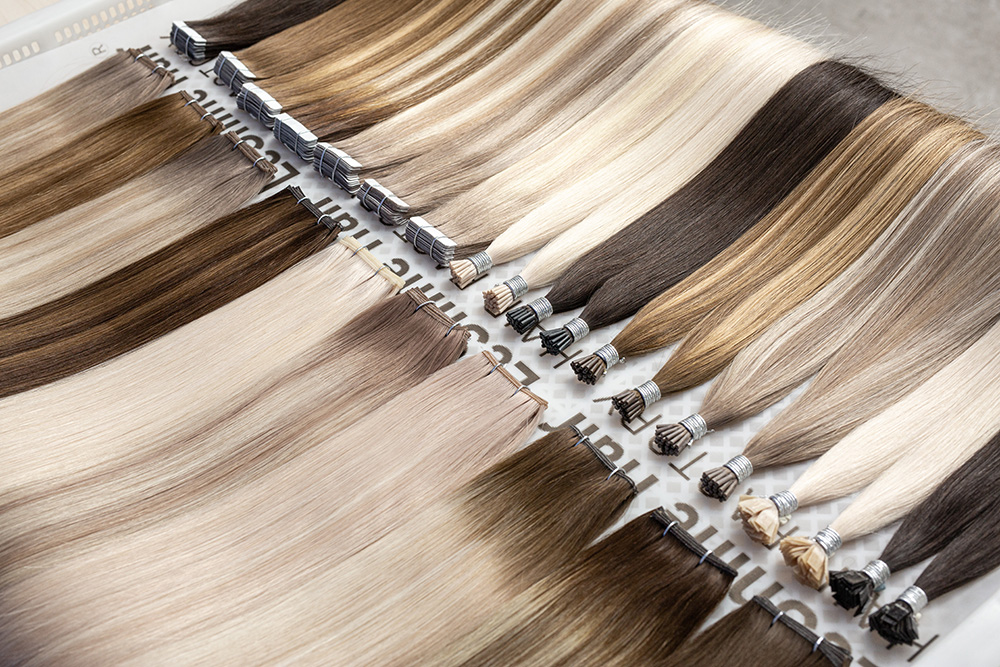
Extensiones de cabello humano ofrecen una solución transformadora para quienes buscan mayor longitud, volumen y versatilidad en sus peinados. Cuando se mantienen correctamente, las extensiones de cabello humano de alta calidad pueden durar considerablemente más de lo que muchas personas esperan, generalmente desde varios meses hasta más de un año, según el método de aplicación y las prácticas diarias de cuidado. Comprender la duración esperada de sus extensiones capilares e implementar la rutina adecuada de mantenimiento afecta directamente tanto su apariencia como su longevidad.
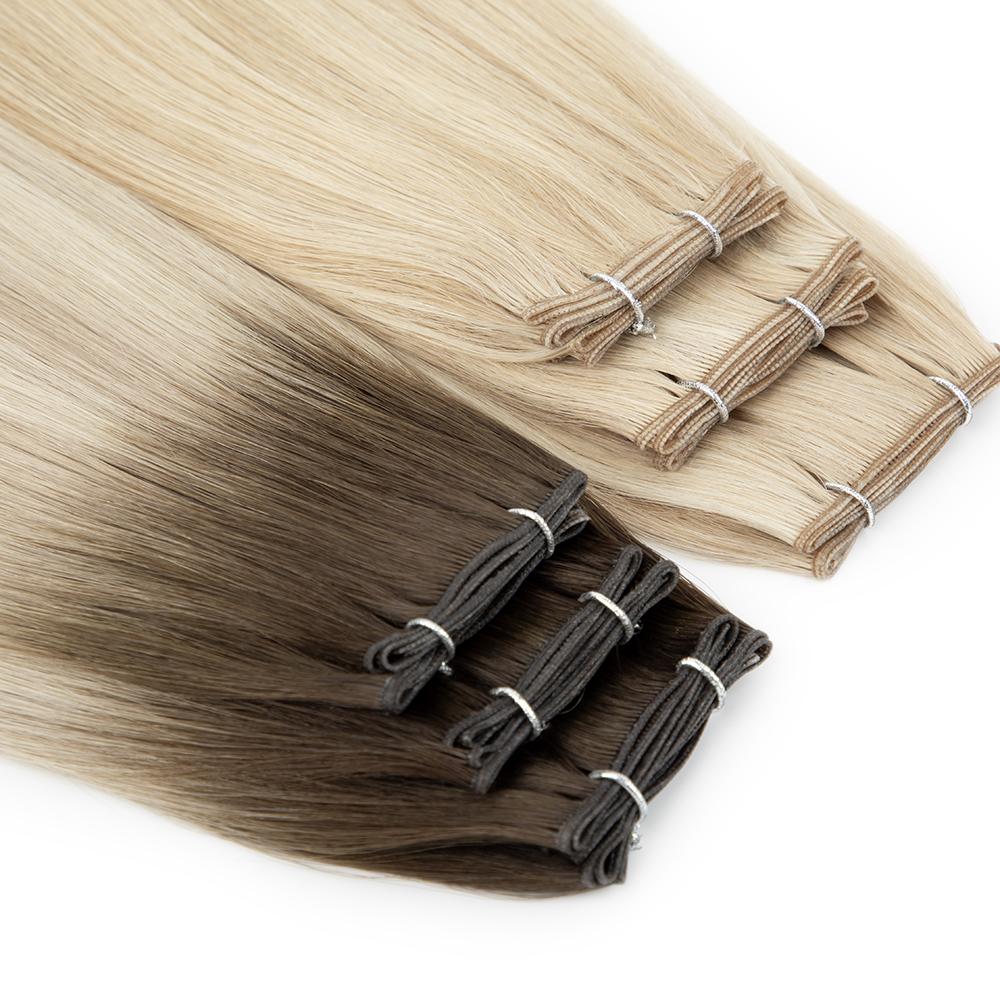
La durabilidad de las extensiones de cabello humano depende de varios factores interconectados, como la calidad del cabello, los métodos específicos de aplicación de las extensiones, sus hábitos de peinado y la constancia con la que sigue un régimen de cuidado específico. A diferencia de las alternativas sintéticas, el cabello humano genuino conserva su textura natural y se puede peinar con herramientas térmicas, teñir y tratar como su propio cabello. Esta versatilidad convierte a las pelucas y extensiones de cabello humano en la opción preferida tanto para uso profesional como personal, aunque también exige un mantenimiento consciente para maximizar su vida útil.
Grado de calidad e inversión inicial
Comprensión de los sistemas de clasificación del cabello
El fundamento de la durabilidad de las extensiones comienza con la calidad. Las extensiones de cabello humano de grado premium, especialmente aquellas con cutículas intactas y un procesamiento mínimo, conservan su integridad mucho más tiempo que las alternativas de menor calidad. El cabello Remy, que mantiene la capa natural de cutícula en la misma dirección, representa el estándar de mayor calidad y normalmente dura más porque las cutículas permanecen alineadas y protegidas. Al invertir en extensiones de cabello humano de calidad superior, se invierte directamente en un mayor tiempo de uso y mejores resultados estéticos durante toda la vida útil de las extensiones.
Integridad de la cutícula y niveles de procesamiento
El cabello con cutículas intactas resiste de forma mucho más eficaz el enredamiento, el encrespamiento y la formación de matas en comparación con las alternativas procesadas. El cabello doblemente seleccionado, en el que se mantienen longitudes uniformes a lo largo de toda su extensión, también contribuye a una mayor durabilidad, ya que distribuye el peso de forma más equilibrada a lo largo de los mechones. Las extensiones de cabello sin costuras, que se fusionan de forma natural con el cabello propio e incorporan métodos de fabricación de alta calidad, pueden durar dieciocho meses o más si se cuidan adecuadamente. El costo inicial de las extensiones premium suele justificarse por su mayor durabilidad y por la conservación de su apariencia original.
Métodos de aplicación de extensiones de cabello y su durabilidad
Sistemas adhesivos y con cinta
Los distintos métodos de aplicación de extensiones capilares influyen directamente en cuánto tiempo permanecen usables. Las extensiones con cinta adhesiva, cuando se aplican con un adhesivo de calidad y mediante métodos adecuados, suelen durar entre seis y ocho semanas antes de requerir reposicionamiento. El adhesivo se afloja gradualmente a medida que crece el cabello natural, lo que exige una reaplicación profesional, no porque las extensiones se deterioren. Los sistemas con cinta ofrecen flexibilidad a los usuarios habituales que disfrutan cambiar su estilo con frecuencia, manteniendo al mismo tiempo procedimientos de instalación relativamente rápidos.
Extensiones adheridas y por fusión
Las extensiones adheridas con queratina o compuestos adhesivos similares pueden durar de diez a doce semanas por aplicación cuando se instalan mediante métodos adecuados y por profesionales experimentados. Estas extensiones se desplazan gradualmente hacia abajo a medida que crece el cabello, lo que requiere reposicionamiento para mantener una colocación y apariencia adecuadas. Las extensiones de fusión, aunque exigen procesos de retiro más intensivos, suelen ofrecer una mayor estabilidad en la fijación, llegando incluso a extenderse hasta cuatro meses entre reposicionamientos. La durabilidad ventaja de los métodos de fusión conlleva mayores requisitos de mantenimiento y costos más elevados para su retiro.
Métodos de cosido y con cuentas
Las extensiones cosidas directamente sobre trenzas de maíz ofrecen una excelente durabilidad, llegando a durar habitualmente entre tres y seis meses, dependiendo de la tensión de las trenzas y de la velocidad de crecimiento del cabello. Este método distribuye el peso en múltiples puntos de anclaje, reduciendo así la tensión sobre cada mechón individual. Las extensiones con cuentas ofrecen asimismo un período prolongado de uso cuando se instalan correctamente, aunque requieren un manejo cuidadoso para evitar que las cuentas se deslicen. Ambos métodos resultan especialmente adecuados para quienes buscan extensiones de cabello imperceptibles que se integren de forma natural y mantengan su resistencia durante todo el tiempo de uso.
Prácticas de mantenimiento que prolongan la vida útil
Cuidado diario y protocolos de lavado
El cuidado diario adecuado afecta significativamente la duración de la calidad de tus pelucas y extensiones de cabello humano. Lava las extensiones suavemente con champú sin sulfatos y agua tibia, trabajando desde las raíces hasta las puntas sin frotar con fuerza, ya que esto favorece el enredamiento. Espacia las sesiones de lavado cada siete a diez días para minimizar el estrés sobre el adhesivo y evitar una exposición excesiva a la humedad. Aplica acondicionador principalmente en las longitudes medias y las puntas, evitando la zona de unión, donde el exceso producto puede debilitar los puntos de fijación. Estas prácticas fundamentales se correlacionan directamente con la conservación de la integridad de las extensiones y la reducción de su degradación prematura.
Estilizado y gestión del calor
Aunque las extensiones de cabello humano toleran mejor el peinado con calor que las alternativas sintéticas, la exposición excesiva al calor degrada progresivamente su estructura proteica. Aplique productos protectores contra el calor antes de usar herramientas de peinado y mantenga los ajustes de temperatura en niveles moderados siempre que sea posible. Permita que las extensiones se sequen parcialmente al aire antes de aplicar calor directo, lo que reduce el estrés térmico. Limite las sesiones de peinado con calor a dos o tres veces por semana, en lugar de usarlas a diario. Dormir sobre fundas de almohada de seda o llevar peinados protectores durante la noche reduce el enredamiento y el frizz causados por la fricción, prolongando así la vida útil visualmente atractiva de sus extensiones.
Selección de productos y tratamientos químicos
Utilice únicamente productos seguros para extensiones, formulados sin sulfatos agresivos, siliconas ni aceites pesados que se acumulan en los cabellos y debilitan los sistemas adhesivos. Evite acondicionadores sin aclarado y sueros cerca de las zonas de fijación, salvo que estén específicamente diseñados para uso con extensiones. Los tratamientos químicos, como la coloración o el permanente, aceleran la descomposición proteica en pelucas de cabello humano y en extensiones de cabello invisible, por lo que debe programar estos servicios con cuidado y consultar a profesionales con experiencia en extensiones. Los tratamientos regulares de acondicionamiento profundo, con fórmulas libres de sulfatos, ayudan a mantener el equilibrio de humedad y la estructura proteica durante toda la vida útil de las extensiones.
Preguntas frecuentes
¿Con qué frecuencia debo reposicionar o reemplazar mis extensiones de cabello?
Los horarios de reposicionamiento dependen de los métodos específicos que uses para aplicar las extensiones capilares y de la velocidad con la que crezca tu cabello natural. Las extensiones con cinta suelen requerir reposicionamiento cada seis a ocho semanas, mientras que las extensiones por fusión pueden durar entre diez y doce semanas. Las extensiones cosidas pueden mantenerse entre tres y seis meses entre sesiones. Una vez que las uniones ya no sujetan con firmeza o el enredamiento se vuelve inmanejable a pesar de los cuidados adecuados, es necesario reemplazarlas. Un estilista profesional puede evaluar si tus extensiones actuales merecen ser reposicionadas o deben retirarse.
¿Puedo prolongar la vida útil de mis extensiones de cabello humano más allá del plazo habitual?
Sí, unos cuidados excepcionales pueden prolongar significativamente la vida útil más allá de los plazos estándar. El uso de pelucas de cabello humano de alta calidad con cutículas intactas, el seguimiento estricto de protocolos de mantenimiento, la reducción al mínimo de tratamientos térmicos y químicos, y la protección de las extensiones durante el sueño contribuyen todos a una mayor durabilidad. Algunos usuarios logran mantener sus extensiones de cabello humano durante dieciocho meses o más gracias a unos cuidados minuciosos. Sin embargo, incluso las extensiones de máxima calidad experimentan, con el tiempo, una degradación progresiva, y en algún momento, resulta más práctico reemplazarlas que seguir reubicándolas.
¿Qué señales indican que mis extensiones necesitan ser reemplazadas en lugar de reubicadas?
Sustituya las extensiones cuando se produzcan enredos persistentes a pesar de un acondicionamiento y desenredado exhaustivos, cuando las puntas se sequen y se partan a pesar de los cortes regulares o cuando las uniones adhesivas ya no se mantengan, incluso tras su reposicionamiento. Una decoloración notable, la pérdida de brillo o un cambio evidente en la textura indican una degradación proteica que el reposicionamiento no puede revertir. Las extensiones de cabello invisible que lo han acompañado durante varios ciclos de reposicionamiento pueden mostrar signos de fatiga en la propia estructura del cabello, por lo que su sustitución resulta la opción más práctica para conservar su apariencia deseada.