 EN
EN
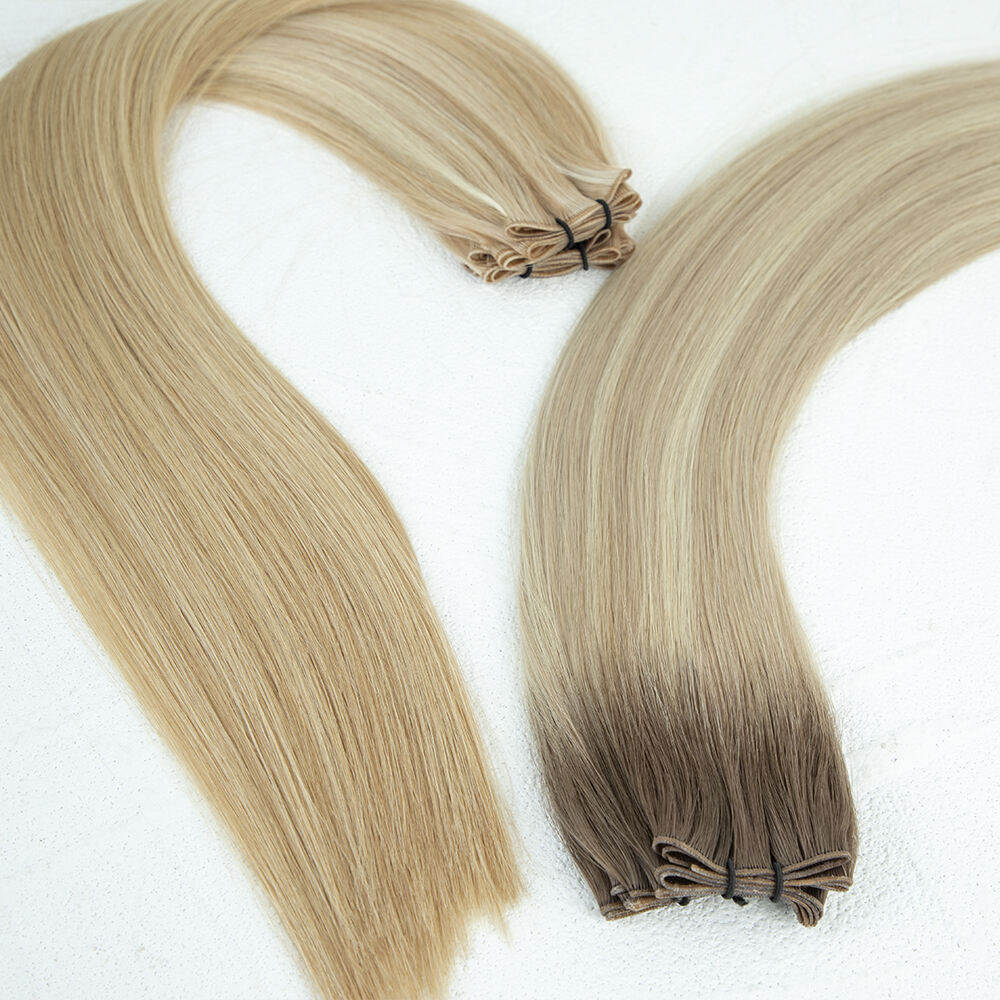
In the world of professional hair services, few products have earned as consistent a reputation as tape in hair extensions. Salons across the industry have steadily shifted toward this method not simply because it is popular, but because it genuinely delivers on the demands of a professional environment — speed, reliability, client satisfaction, and repeatable results. Understanding why tape in hair extensions have become a staple in skilled stylists' service menus requires looking closely at what makes them technically superior and commercially practical for salon settings.
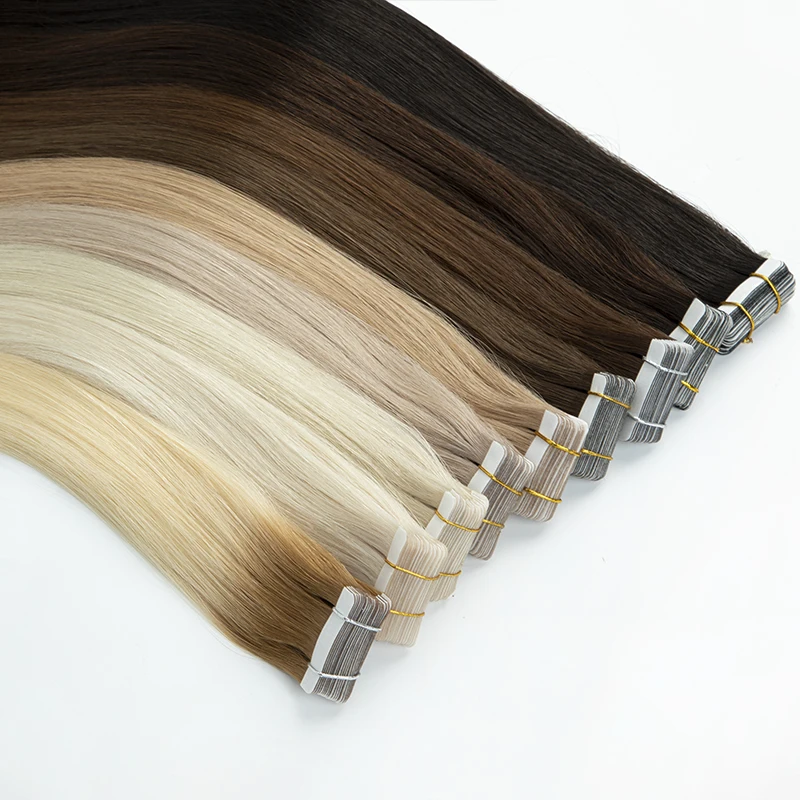
The appeal of tape in hair extensions goes well beyond aesthetics. For salon professionals, every service must balance quality outcomes with time efficiency, client comfort, and long-term wearability. Tape in hair extensions meet all of these criteria in a way that many other extension methods simply cannot match. This article explores the specific reasons why tape in hair extensions are considered the gold standard for professional salon application, covering everything from their structural design to their business value for salon owners and stylists.
The Technical Design That Makes Tape In Hair Extensions Salon-Ready
Weft Construction and Cuticle Alignment
One of the most important technical qualities of tape in hair extensions is the way they are constructed. High-quality tape in hair extensions are made from full cuticle virgin Remy human hair, meaning the hair strands are aligned in the same direction from root to tip. This cuticle alignment is not a cosmetic detail — it is the foundation of how the extensions behave over time. When cuticles run in the same direction, the hair resists tangling, maintains its natural sheen, and responds to heat styling in a predictable, manageable way.
For salon professionals, working with properly constructed tape in hair extensions means fewer complications during application and maintenance appointments. The weft design is thin and flat, which allows it to lie seamlessly against the scalp without creating visible bulk or unnatural texture. This precision in construction is what separates professional-grade tape in hair extensions from lower-quality alternatives that may look acceptable initially but degrade quickly under regular salon handling.
Stylists who regularly work with tape in hair extensions understand that the quality of the raw material directly affects the outcome of every service. Virgin Remy human hair that has not been chemically processed retains its natural protein structure, which means it can be colored, toned, and heat-styled alongside the client's natural hair without significant risk of damage or inconsistency. This versatility is a critical advantage in a professional salon context where customization is expected.
The Adhesive System and Its Professional Advantages
The adhesive used in tape in hair extensions is specifically engineered for hair application. Medical-grade or keratin-based adhesive strips are designed to bond securely to the natural hair without causing damage to the hair shaft or scalp. This is a meaningful distinction from older bonding methods that relied on heat-activated glues or chemical adhesives that could weaken the hair over time. The tape system creates a flat, discreet bond that holds firmly through washing, styling, and daily activity.
From a salon workflow perspective, the adhesive system in tape in hair extensions dramatically reduces application time compared to methods like micro-ring or fusion extensions. A full head of tape in hair extensions can typically be applied in under two hours by an experienced stylist, which is a significant operational advantage. Faster application means more appointments per day, better client throughput, and a more predictable service schedule — all of which matter in a busy professional salon environment.
The removal process is equally important. Tape in hair extensions are designed to be removed cleanly using a professional bond remover solution, which dissolves the adhesive without pulling or stressing the natural hair. This non-destructive removal process is essential for client retention, as clients are far more likely to return for reapplication when they know the service will not compromise the health of their natural hair.
Why Tape In Hair Extensions Suit the Professional Salon Workflow
Application Speed and Appointment Efficiency
Time is one of the most valuable resources in any salon. Tape in hair extensions are uniquely suited to professional environments because their application process is streamlined and systematic. Unlike methods that require individual strand-by-strand bonding with heat tools, tape in hair extensions are applied in weft sections that cover more surface area per placement. This means a stylist can achieve a full, natural-looking result in a fraction of the time required by other methods.
The efficiency of tape in hair extensions also extends to the reapplication cycle. Most clients return every six to eight weeks for a move-up appointment, during which the extensions are removed, the adhesive tabs are replaced, and the wefts are repositioned higher on the head to account for natural hair growth. This predictable maintenance cycle allows salons to build a reliable recurring revenue stream around tape in hair extensions services, which is a significant business advantage.
Stylists who specialize in tape in hair extensions often find that the method becomes faster and more intuitive with practice. The learning curve is relatively short compared to more complex extension techniques, which means salons can train new staff members to a competent level without an extended period of reduced productivity. This scalability is another reason why tape in hair extensions are so well-suited to professional salon operations.
Client Comfort and Wearability During Daily Life
Professional salons are judged not only by the quality of their work at the time of application but by how well that work holds up in the client's daily life. Tape in hair extensions perform exceptionally well in this regard. The flat, lightweight weft design means clients experience minimal discomfort during wear, even when sleeping or exercising. There are no protruding bonds or heavy attachment points that can cause pressure on the scalp or create visible irregularities in the hair.
Clients who wear tape in hair extensions consistently report that the extensions feel natural and are easy to manage at home. They can be washed, blow-dried, and styled using standard hair care routines with only minor adjustments, such as avoiding oil-based products near the roots where the adhesive bonds are located. This ease of maintenance is a strong selling point that professional stylists can use to build client confidence and encourage long-term commitment to the service.
The invisible nature of tape in hair extensions is also a significant factor in client satisfaction. When applied correctly by a trained professional, the bonds are completely undetectable even when the hair is worn up or in a ponytail. This level of discretion is something clients value highly, and it reflects well on the salon's technical skill and attention to detail.
The Business Case for Offering Tape In Hair Extensions in a Salon
Revenue Potential and Service Pricing
From a business perspective, tape in hair extensions represent one of the highest-value services a salon can offer. The combination of premium product cost, skilled labor, and recurring maintenance appointments creates a service model with strong revenue potential. A single client who commits to tape in hair extensions will typically generate multiple appointments per year, each of which includes both the stylist's time and the cost of replacement adhesive tabs or new extension wefts.
Salons that position tape in hair extensions as a premium service can command pricing that reflects the quality of the materials and the expertise required. Because tape in hair extensions made from full cuticle virgin Remy human hair are a genuinely superior product, the value proposition is easy to communicate to clients who are already invested in the quality of their hair care. This makes the sales conversation more straightforward and less dependent on discounting or promotional pricing.
The recurring nature of tape in hair extensions maintenance also contributes to client retention. Clients who are happy with their extensions and trust their stylist to maintain them correctly are unlikely to switch salons. This loyalty effect compounds over time, building a stable base of high-value clients who contribute consistently to the salon's revenue.
Professional Differentiation and Market Positioning
Offering tape in hair extensions as a core service helps salons differentiate themselves in a competitive market. Not every salon invests in the training, product quality, and process refinement required to deliver tape in hair extensions at a professional level. Salons that do make this investment signal to potential clients that they are serious about technical excellence and committed to offering services that require genuine skill.
This differentiation is particularly valuable in markets where clients have many options and are actively seeking stylists with specialized expertise. Tape in hair extensions attract a client demographic that tends to be highly engaged with their appearance, willing to invest in quality services, and likely to refer friends and family when they are satisfied with their results. Building a reputation around tape in hair extensions can therefore have a multiplier effect on new client acquisition.
Salons that consistently deliver excellent results with tape in hair extensions also benefit from strong word-of-mouth and social media visibility. Transformation photos and before-and-after content featuring tape in hair extensions perform well on visual platforms, giving salons an organic marketing advantage that reinforces their positioning as extension specialists.
Maintenance, Longevity, and the Professional Responsibility
How Proper Maintenance Extends the Life of Tape In Hair Extensions
One of the responsibilities that comes with offering tape in hair extensions professionally is educating clients on proper home care. The longevity of tape in hair extensions depends significantly on how they are maintained between salon visits. Stylists who take the time to walk clients through the correct washing technique, the importance of using sulfate-free products, and the need to avoid applying conditioner or oil directly to the bonds will see far better long-term results than those who skip this step.
When clients follow proper care guidelines, tape in hair extensions made from high-quality Remy human hair can last through multiple reapplication cycles before the hair itself needs to be replaced. This durability is a strong value argument for clients who are comparing the cost of tape in hair extensions to other methods. The ability to reuse the hair wefts multiple times significantly reduces the cost per wear over the life of the extensions.
Professional salons that build a structured maintenance program around tape in hair extensions — including scheduled move-up appointments, product recommendations, and follow-up consultations — create a service experience that clients perceive as comprehensive and trustworthy. This level of professional care is one of the clearest reasons why tape in hair extensions thrive in a salon context rather than as a DIY product.
Stylist Training and the Importance of Technique
The quality of the application technique is what separates a professional tape in hair extensions service from an amateur one. Proper sectioning, correct placement distance from the scalp, even distribution of wefts, and precise sandwiching of the adhesive tabs are all skills that require training and practice to execute consistently. Salons that invest in formal training for their stylists ensure that every client receives a result that meets a defined standard of quality.
Trained stylists are also better equipped to handle the consultation process, which is a critical step in any tape in hair extensions service. Understanding the client's hair type, density, lifestyle, and desired outcome allows the stylist to recommend the correct number of wefts, the appropriate hair texture, and the most suitable color match. This consultative approach reduces the risk of client dissatisfaction and positions the stylist as a trusted expert rather than simply a service provider.
Ongoing education is equally important as the initial training. The tape in hair extensions market continues to evolve, with improvements in adhesive technology, hair sourcing, and application tools emerging regularly. Stylists who stay current with these developments are able to offer their clients the best available options and maintain a competitive edge within their market.
FAQ
How long do tape in hair extensions typically last between salon visits?
Most clients with tape in hair extensions return to the salon every six to eight weeks for a move-up appointment. This timeline accounts for the natural growth of the hair, which gradually moves the adhesive bonds away from the scalp. The actual hair wefts, when made from quality Remy human hair, can often be reused for several reapplication cycles before replacement is needed, making the service cost-effective over time.
Are tape in hair extensions suitable for all hair types?
Tape in hair extensions work well for most hair types, but a professional consultation is essential before application. Very fine or fragile hair may require a modified approach to avoid placing too much weight on individual sections. Clients with very thick or coarse hair may need a higher number of wefts to achieve a seamless blend. An experienced stylist will assess the client's natural hair during the consultation and tailor the application plan accordingly.
Can tape in hair extensions be colored or heat-styled after application?
High-quality tape in hair extensions made from full cuticle virgin Remy human hair can be colored and heat-styled, though certain precautions apply. Chemical services should be performed by a professional who understands how to work around the adhesive bonds without compromising them. Heat styling is generally safe when a heat protectant is used and tools are kept away from the adhesive tabs. Clients should always consult their stylist before attempting any chemical or heat service at home.
What makes tape in hair extensions different from other extension methods?
Tape in hair extensions differ from other methods primarily in their application mechanism, speed, and wearability. Unlike fusion or micro-ring extensions that attach individual strands, tape in hair extensions use flat weft sections bonded with medical-grade adhesive, resulting in a faster application, a flatter profile against the scalp, and a more natural appearance. The removal process is also gentler, making tape in hair extensions one of the least damaging options available for professional salon use.