 EN
EN
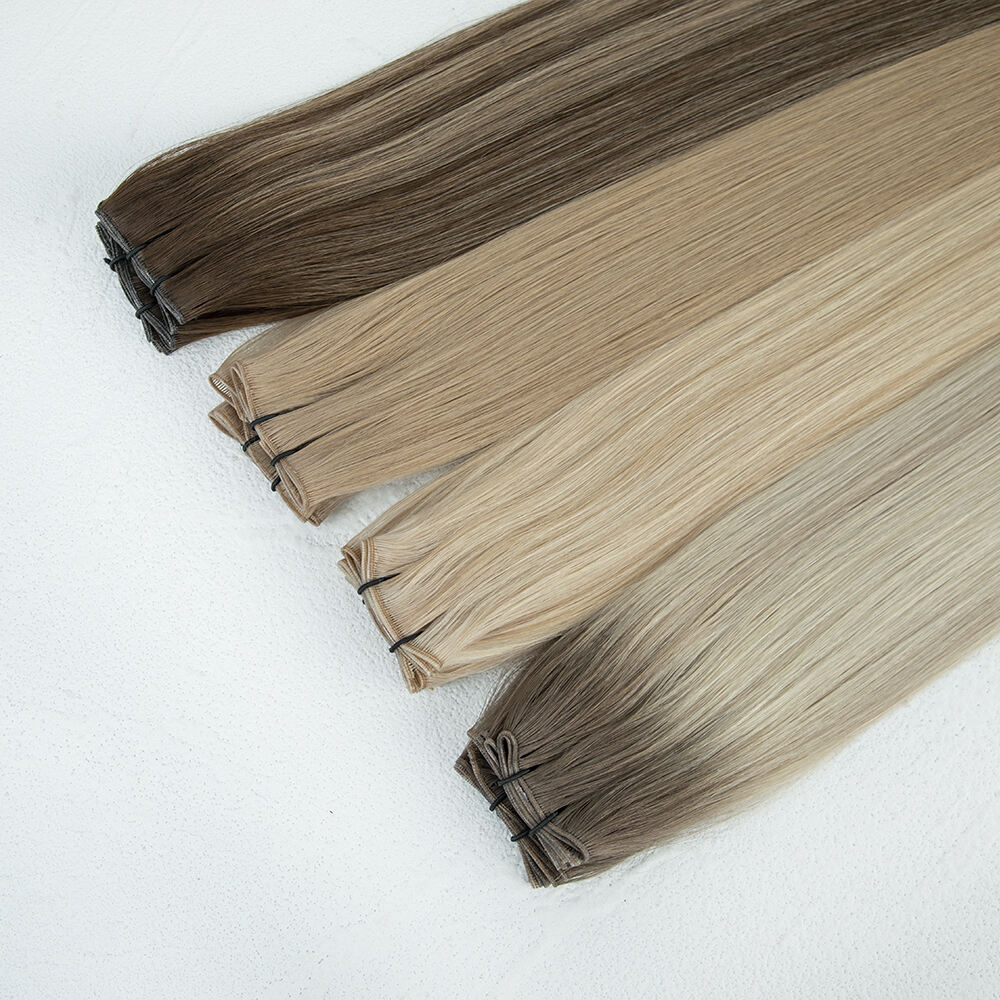
When clients walk into a salon looking for a seamless, natural-looking length or volume boost, tape in hair extensions consistently rise to the top of the conversation. Unlike other extension methods that can feel heavy, visible, or damaging over time, this particular application method has earned a strong reputation among both stylists and their clients for delivering results that look and feel genuinely natural. The growing demand for this method is not accidental — it reflects a combination of practical advantages, wearability, and long-term hair health considerations that few other systems can match.
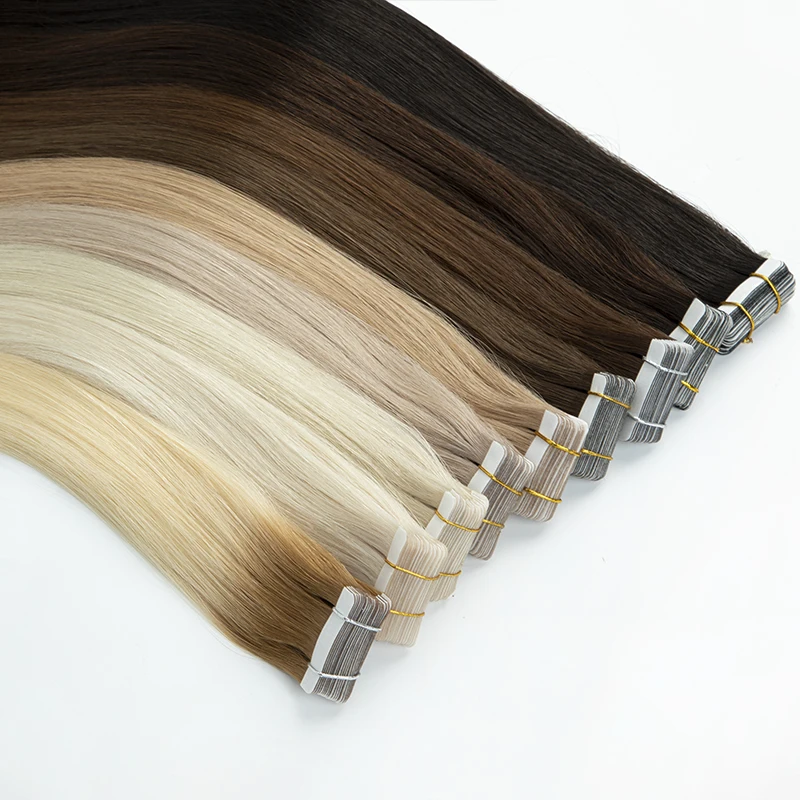
Understanding what makes tape in hair extensions a preferred choice for clients requires looking beyond the surface appeal. It means examining how the method works in real salon environments, how clients experience them day to day, and why professional stylists continue to recommend them across a wide range of hair types and lifestyle needs. This article breaks down the core reasons behind their popularity and what clients and salon professionals should know before choosing this method.
The Application Method and Why It Works So Well
How Tape In Hair Extensions Are Applied
The application process for tape in hair extensions is one of the primary reasons clients prefer them. Thin wefts of hair, each backed with a medical-grade adhesive strip, are sandwiched around small sections of the client's natural hair. The result is a flat, discreet bond that sits close to the scalp without creating bulk or visible attachment points. Most full-head applications can be completed in under two hours, which is significantly faster than methods like micro-bead or fusion extensions.
Because the adhesive bonds are thin and flexible, they move naturally with the client's hair rather than pulling against it. This flexibility is a key reason why clients who have tried multiple extension methods often settle on tape in hair extensions as their long-term preference. The bonds do not create pressure points on the scalp, and the wefts lie flat enough to be undetectable even when hair is pulled back into a ponytail or updo.
Professional stylists also appreciate the precision the method allows. Each weft can be placed strategically to target specific areas — whether the goal is adding fullness at the crown, length at the ends, or dimension through color blending. This level of control makes tape in hair extensions a versatile tool in any salon's service menu.
The Role of Hair Quality in the Experience
The quality of the hair used in tape in hair extensions plays a significant role in why clients prefer them. When full cuticle virgin remy human hair is used, the extensions behave almost identically to natural hair. The cuticles remain intact and aligned in the same direction, which prevents tangling, matting, and the dull, synthetic appearance that lower-quality extensions often develop after a few washes.
Clients who invest in high-quality tape in hair extensions find that they can style them with heat tools, wash them with their regular routine, and wear them through active lifestyles without the extensions degrading quickly. This durability is a major factor in client satisfaction and repeat business for salons. When extensions look and feel like real hair, clients are far more likely to maintain them and return for reinstallation.
Comfort and Wearability in Daily Life
Why Clients Find Tape In Hair Extensions Comfortable
Comfort is one of the most frequently cited reasons clients choose tape in hair extensions over other methods. The flat bond design distributes weight evenly across the attachment point rather than concentrating tension on a single strand or bead. This means clients rarely experience the scalp soreness or headaches that can accompany heavier extension systems, particularly in the first few days after application.
Because tape in hair extensions lie flat against the head, they are also less likely to snag on clothing, pillowcases, or accessories. Clients with active lifestyles — those who exercise regularly, swim, or spend time outdoors — often find that this method holds up better under physical activity than alternatives. The bonds are resistant to movement and do not loosen easily when the hair gets wet or sweaty, provided the client follows proper aftercare guidelines.
Sleep comfort is another practical advantage. Many clients who have worn other extension types report difficulty sleeping comfortably due to bulky bonds pressing against the scalp. With tape in hair extensions, the flat profile means most clients adjust within a day or two and stop noticing the extensions entirely during sleep.
Styling Freedom and Versatility
One of the strongest selling points of tape in hair extensions is the styling freedom they offer. Because the bonds are positioned close to the scalp and lie flat, clients can wear their hair in a wide variety of styles without the extensions becoming visible. High ponytails, braids, half-up styles, and even some updos are all achievable without the need to carefully conceal attachment points.
Tape in hair extensions can also be colored, toned, and heat-styled just like natural hair, provided the extensions are made from genuine human hair. This means clients are not locked into a single look — they can evolve their style over time without removing the extensions. For clients who enjoy changing their hair color or experimenting with different textures, this flexibility is a significant advantage over synthetic or lower-grade extension options.
Hair Health and Long-Term Considerations
How Tape In Hair Extensions Protect Natural Hair
A common concern clients raise before committing to any extension method is the potential for damage to their natural hair. Tape in hair extensions, when applied and maintained correctly, are widely regarded as one of the gentler options available. The adhesive bonds do not require heat, chemicals, or mechanical clamping to attach, which eliminates several of the damage pathways associated with other methods.
The weight distribution of tape in hair extensions also contributes to hair health. Because each weft covers a wider section of hair rather than attaching to a single strand, the tension is spread across more follicles. This reduces the risk of traction alopecia, a condition caused by repeated or sustained pulling on hair follicles that can lead to permanent hair loss in severe cases.
Proper removal is equally important. When a professional removes tape in hair extensions using the correct bond remover solution, the adhesive releases cleanly without stripping the natural hair. Clients who follow recommended maintenance schedules — typically reinstallation every six to eight weeks — and work with trained stylists rarely experience significant damage from this method.
Maintenance Requirements and Realistic Expectations
Tape in hair extensions do require a consistent maintenance routine, and setting realistic expectations with clients upfront is part of what makes the experience positive. Clients need to use sulfate-free shampoos, avoid applying conditioner or oil directly to the bond area, and brush their hair gently starting from the ends. These are relatively simple adjustments that most clients adapt to quickly.
The reinstallation process for tape in hair extensions is also straightforward. The existing wefts are removed, the adhesive residue is cleaned from both the weft and the natural hair, and fresh tape tabs are applied before the wefts are reattached. High-quality wefts can typically be reused two to three times before replacement is needed, which makes the long-term cost more manageable for clients who are committed to the method.
Clients who understand and follow these maintenance steps consistently report high satisfaction with tape in hair extensions over extended periods. The method rewards attentive care with results that remain natural-looking and comfortable throughout the wear cycle.
The Salon Professional Perspective
Why Stylists Recommend Tape In Hair Extensions
From the stylist's perspective, tape in hair extensions offer a combination of efficiency, reliability, and client satisfaction that makes them a strong addition to any service menu. The application is faster than many competing methods, which allows stylists to serve more clients without sacrificing quality. The learning curve for the technique is also relatively accessible, meaning stylists can become proficient with proper training in a reasonable timeframe.
Stylists also appreciate that tape in hair extensions produce consistent, predictable results. The flat bond system is forgiving in terms of placement, and the wefts blend naturally with most hair types and textures when the correct shade and weight are selected. This consistency reduces the risk of client dissatisfaction and the time spent on corrections, which benefits both the stylist's workflow and the salon's reputation.
The repeat service model that tape in hair extensions create is another professional advantage. Because clients return every six to eight weeks for maintenance, the method generates reliable recurring revenue for salons. Clients who are happy with their tape in hair extensions tend to remain loyal to the stylist who applies them, creating long-term client relationships that are valuable for any salon business.
Matching the Method to the Right Client
Not every extension method suits every client, and part of the professional value of tape in hair extensions is knowing when they are the right fit. They work particularly well for clients with medium to thick natural hair, as the wefts blend most seamlessly when there is enough natural hair to cover the bonds. Clients with very fine or thin hair may need a more customized approach to placement to ensure the bonds remain hidden.
Clients who lead active lifestyles, prefer low-maintenance styling routines, or want a method they can wear continuously for several weeks without adjustment are typically excellent candidates for tape in hair extensions. The method also suits clients who want a natural result without the commitment of a permanent change, since the extensions can be removed cleanly when desired.
Stylists who take the time to assess each client's hair type, lifestyle, and goals before recommending tape in hair extensions consistently report better outcomes and higher client retention. The method's versatility means it can be adapted to a wide range of needs, but thoughtful consultation remains the foundation of a successful result.
FAQ
How long do tape in hair extensions typically last before needing maintenance?
Most clients return for maintenance every six to eight weeks. During this appointment, the wefts are removed, cleaned, and reattached with fresh adhesive. The natural hair grows approximately half an inch per month, so the bonds gradually move away from the scalp and need to be repositioned to maintain a natural look and comfortable fit.
Can tape in hair extensions be colored or heat-styled after application?
Yes, provided the extensions are made from genuine human hair. High-quality tape in hair extensions can be blow-dried, curled, straightened, and toned just like natural hair. It is advisable to avoid applying heat directly to the adhesive bonds and to use a heat protectant spray before styling to preserve both the hair quality and the bond integrity.
Are tape in hair extensions suitable for clients with fine or thin hair?
Tape in hair extensions can work for clients with finer hair, but placement strategy becomes more important. A skilled stylist will use fewer wefts, position them carefully to ensure they remain hidden, and select lighter-weight wefts to avoid putting excess strain on fine strands. A thorough consultation before application is essential to determine whether the method is appropriate for a specific client's hair density.
What is the correct way to remove tape in hair extensions without causing damage?
Removal should always be performed by a trained professional using a dedicated bond remover solution. The solution is applied to the adhesive bond, which softens the tape and allows the weft to slide free without pulling or tearing the natural hair. Attempting to remove tape in hair extensions at home without the correct products significantly increases the risk of breakage and should be avoided.
Table of Contents
- The Application Method and Why It Works So Well
- Comfort and Wearability in Daily Life
- Hair Health and Long-Term Considerations
- The Salon Professional Perspective
-
FAQ
- How long do tape in hair extensions typically last before needing maintenance?
- Can tape in hair extensions be colored or heat-styled after application?
- Are tape in hair extensions suitable for clients with fine or thin hair?
- What is the correct way to remove tape in hair extensions without causing damage?