 EN
EN
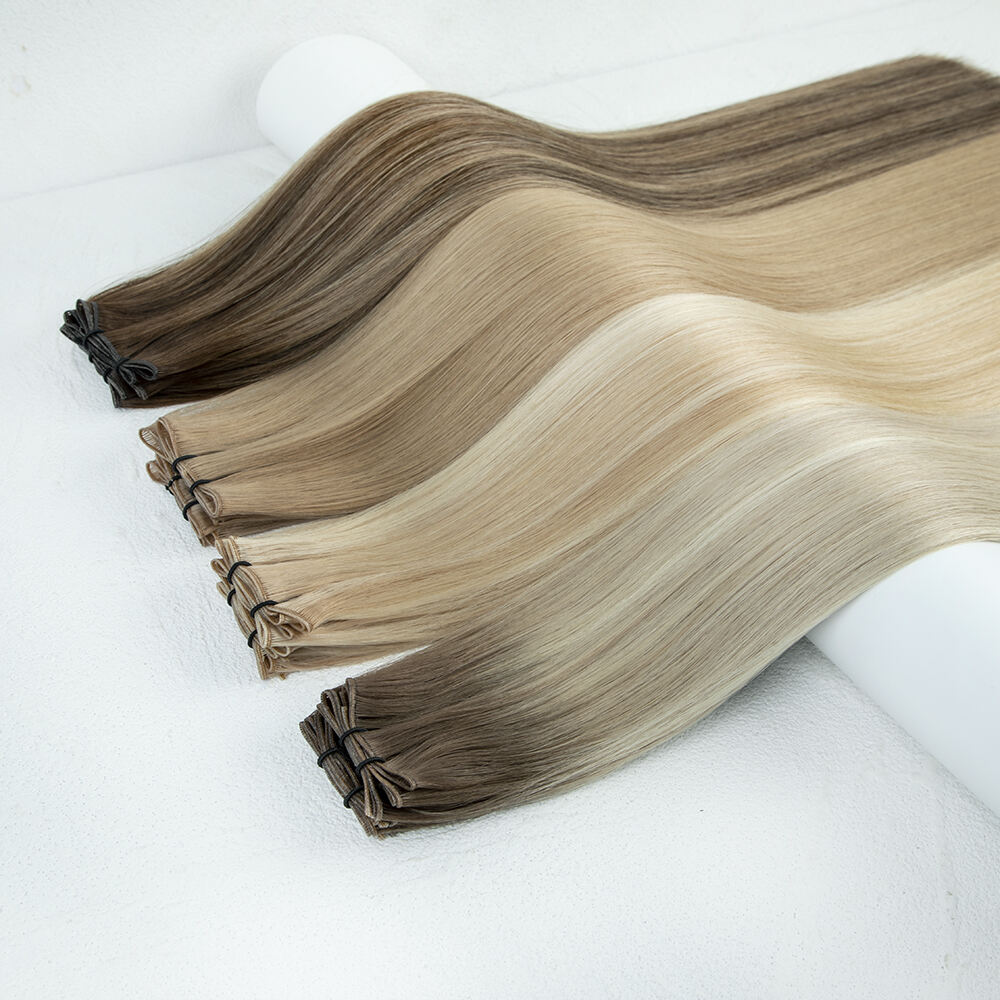
In the world of professional hair styling and beauty, human hair wefts have become one of the most versatile and widely adopted tools across salons, editorial sets, and everyday wear. Whether the goal is adding dramatic length, building volume, or creating seamless color blends, human hair wefts deliver results that synthetic alternatives simply cannot match. Their natural texture, heat tolerance, and ability to be colored and styled make them a preferred choice for professionals and consumers alike.
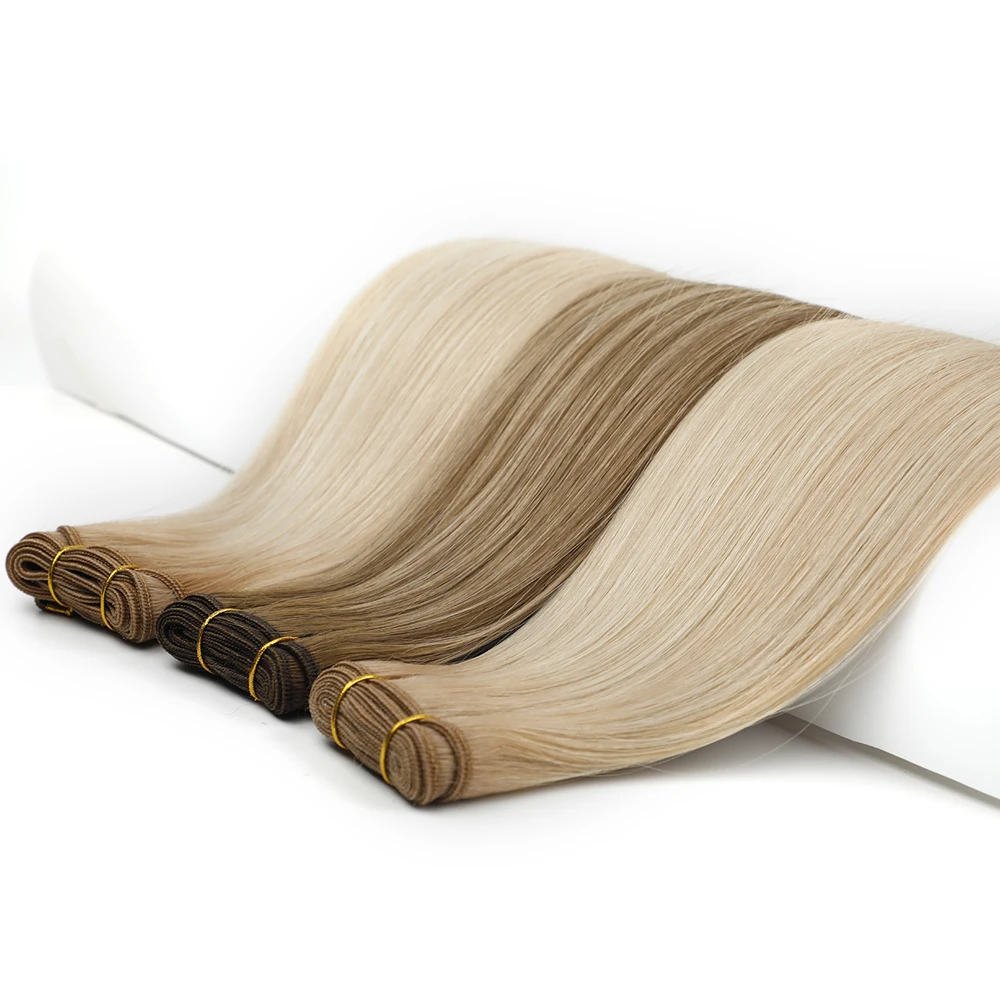
Understanding where human hair wefts are most commonly used helps both stylists and buyers make smarter decisions about application methods, quality selection, and investment. From bridal styling suites to high-fashion runways, from everyday salon chairs to film and television sets, human hair wefts appear across a remarkably broad range of modern styling contexts. This article explores those key application areas in detail, explaining why human hair wefts have become the go-to extension format in each setting.
Salon Extensions and Everyday Wear
The Foundation of Professional Salon Services
The salon environment remains the single most common place where human hair wefts are applied and maintained. Stylists rely on human hair wefts to deliver consistent, natural-looking results for clients seeking length or volume enhancements. Because wefts are constructed as continuous strips of hair sewn or bonded along a track, they allow for efficient application across large sections of the head in a single session.
In professional salon settings, human hair wefts are typically installed using sew-in techniques, where the weft is stitched onto braided cornrows. This method is especially popular among clients who want a long-term solution that can last several weeks with proper care. The durability of human hair wefts under this method makes them far more practical than clip-in alternatives for clients who want a semi-permanent result.
Salons also use human hair wefts in tape-in extension services, where thin weft strips are sandwiched around natural hair using adhesive. This technique suits clients with finer hair who want a flatter, more discreet result. The natural movement and texture of human hair wefts ensure that tape-in applications blend seamlessly with the client's own hair, even under close inspection.
Everyday Clients Seeking Volume and Length
Beyond technical installation methods, human hair wefts serve a very practical purpose for everyday clients who simply want more hair. Volume loss due to aging, hormonal changes, or styling damage is a common concern, and human hair wefts offer a non-surgical, reversible solution. Clients can add fullness at the crown, thickness along the mid-lengths, or dramatic length at the ends depending on where the wefts are placed.
Because human hair wefts can be colored, heat-styled, and treated just like natural hair, clients do not need to change their existing styling routines. They can blow-dry, curl, straighten, and even chemically treat their extensions alongside their natural hair. This compatibility with standard styling practices is one of the primary reasons human hair wefts dominate the everyday extension market.
Maintenance appointments for human hair wefts are also straightforward, typically involving repositioning as the natural hair grows out. This predictable maintenance cycle makes human hair wefts a reliable revenue stream for salons and a manageable commitment for clients, reinforcing their popularity in day-to-day professional hair services.
Bridal and Special Occasion Styling
Why Bridal Stylists Prefer Human Hair Wefts
Bridal styling is one of the most demanding applications in the hair industry, where the expectation of perfection is absolute and the margin for error is zero. Human hair wefts are a staple in bridal preparation kits precisely because they deliver a level of realism and styling flexibility that no other extension format can match. Brides often want elaborate updos, voluminous waves, or intricate braided styles that require significantly more hair than they naturally possess.
Human hair wefts allow bridal stylists to build the foundation for these complex styles without the bulk or stiffness associated with synthetic alternatives. Because the hair behaves exactly like natural strands, it can be pinned, twisted, curled, and secured without looking artificial in photographs or under event lighting. The result is a bridal look that photographs beautifully and holds throughout a long ceremony and reception.
Stylists working in bridal often pre-color and pre-style human hair wefts to match the bride's exact hair color and texture before the appointment. This preparation time is only worthwhile with human hair wefts, since synthetic fibers cannot be reliably colored or heat-styled to achieve a custom match. The investment in quality human hair wefts pays off in the seamless, polished results that bridal clients expect.
Special Events and Red Carpet Preparation
Beyond weddings, human hair wefts are widely used in preparation for galas, award ceremonies, proms, and other high-profile events where appearance is a priority. Event stylists frequently use human hair wefts to create dramatic transformations in a single session, adding significant length or volume that would take years to grow naturally. The temporary or semi-permanent nature of weft installations makes them ideal for clients who want a special look without a long-term commitment.
For red carpet and celebrity styling, human hair wefts are often custom-colored to match specific looks or editorial concepts. High-quality human hair wefts accept color treatments reliably, allowing stylists to achieve precise tonal results that align with a client's outfit, makeup, or overall aesthetic direction. This level of customization is simply not achievable with lower-quality or synthetic alternatives.
The ability to reuse human hair wefts across multiple events also makes them a cost-effective choice for professional stylists who maintain a kit of extension pieces. With proper care, high-quality human hair wefts can be washed, conditioned, and restyled many times, making them a practical long-term investment for stylists who work in event and occasion styling regularly.
Editorial, Fashion, and Runway Applications
Human Hair Wefts in High-Fashion Contexts
The fashion industry has long relied on human hair wefts to create the dramatic, sculptural hairstyles seen on runways and in editorial photo shoots. Fashion stylists and session hairdressers use human hair wefts to build volume, extend length, and create architectural shapes that would be impossible to achieve with natural hair alone. The ability to manipulate human hair wefts with heat tools, pins, and product gives stylists complete creative control over the final look.
In editorial contexts, human hair wefts are often used in unconventional ways, such as being woven into braids, layered over existing styles, or even used as raw material for avant-garde hair sculptures. The natural texture and weight of human hair wefts make them far more responsive to these creative techniques than synthetic fibers, which tend to look flat or artificial under studio lighting and high-resolution cameras.
Runway shows demand speed and precision, and human hair wefts allow backstage teams to execute complex looks efficiently. Pre-prepared weft pieces can be clipped or sewn in quickly between shows, enabling models to transition between dramatically different hairstyles in minutes. This efficiency, combined with the visual quality of human hair wefts, makes them indispensable in the fast-paced world of fashion week styling.
Film, Television, and Media Production
In film and television production, hair departments use human hair wefts extensively to maintain character consistency across long shooting schedules. Actors may need to appear with the same hairstyle across weeks or months of filming, and human hair wefts allow hair departments to recreate and maintain specific looks reliably. The natural appearance of human hair wefts under high-definition cameras and professional lighting is a critical advantage over synthetic options.
Period dramas and historical productions frequently use human hair wefts to construct elaborate wigs and hairpieces that reflect specific eras. Wig makers and hair technicians in the entertainment industry prefer human hair wefts as the raw material for these constructions because the hair can be styled, set, and dressed to match historical references with accuracy. The longevity of human hair wefts also matters in production contexts, where the same pieces may need to be used across dozens of shooting days.
Music video production and commercial shoots also rely heavily on human hair wefts to create visually striking looks that align with artistic direction. The versatility of human hair wefts means that a single set of extensions can be styled in multiple ways across different scenes or shots, reducing the need for multiple sets of extensions and keeping production costs manageable.
DIY and At-Home Styling Trends
The Rise of Consumer-Facing Human Hair Wefts
In recent years, human hair wefts have moved well beyond the professional salon environment and into the hands of everyday consumers. The growth of online beauty retail, tutorial content on social media platforms, and increased consumer education about hair extensions has made human hair wefts accessible to a much broader audience. Many consumers now purchase and install clip-in weft extensions at home without professional assistance.
Clip-in human hair wefts are the most popular format for at-home use because they require no adhesive, heat, or sewing. Users simply clip the weft tracks onto their natural hair using pressure-sensitive clips, add volume or length instantly, and remove them at the end of the day. The ease of this process, combined with the natural look of human hair wefts, has driven significant growth in the consumer extension market.
Social media has played a major role in normalizing the use of human hair wefts among everyday consumers. Tutorials demonstrating how to blend, style, and care for human hair wefts have made the process feel approachable for people who have never used extensions before. This democratization of professional-quality styling tools has expanded the market for human hair wefts considerably over the past decade.
Customization and Color Experimentation at Home
One of the most appealing aspects of human hair wefts for at-home users is the ability to experiment with color and style without committing to chemical treatments on their natural hair. A consumer can purchase human hair wefts in a bold color, wear them for a special occasion or a creative phase, and then set them aside without any lasting impact on their own hair. This flexibility makes human hair wefts particularly popular among younger consumers who enjoy changing their look frequently.
Human hair wefts can also be professionally colored by a stylist before being used at home, allowing consumers to achieve a precise color match or a custom highlight pattern that complements their natural hair. This level of personalization is only possible with human hair wefts, since synthetic fibers do not accept permanent color reliably. The ability to customize human hair wefts to individual specifications adds significant value for discerning consumers.
As consumer confidence with human hair wefts grows, many at-home users are also experimenting with more advanced installation methods such as tape-in or halo-style wefts. These formats offer a more secure and natural-looking result than basic clip-ins, and the availability of instructional content online has made them increasingly accessible to non-professionals. The expanding range of application methods available to consumers continues to drive demand for human hair wefts across all market segments.
FAQ
What makes human hair wefts different from synthetic wefts?
Human hair wefts are made from real human hair, which means they can be heat-styled, colored, and treated just like natural hair. Synthetic wefts are made from artificial fibers that typically cannot withstand high heat or chemical processing. The natural texture and movement of human hair wefts also blend more seamlessly with natural hair, making them the preferred choice for professional and high-quality applications.
How long do human hair wefts typically last?
With proper care, high-quality human hair wefts can last anywhere from six months to over a year depending on the installation method and how frequently they are worn and styled. Clip-in human hair wefts tend to last longer because they are removed daily and experience less constant wear. Sew-in or tape-in human hair wefts may have a shorter lifespan due to the stress of continuous wear, but they can often be reused after removal if they are in good condition.
Can human hair wefts be colored to match natural hair?
Yes, human hair wefts can be professionally colored using standard hair dye, bleach, and toning products. This is one of the key advantages of human hair wefts over synthetic alternatives. It is generally recommended to have human hair wefts colored by a professional stylist to achieve the most accurate and even result, particularly when trying to match a specific natural hair color or create a custom highlight effect.
Are human hair wefts suitable for fine or thin hair?
Human hair wefts can be used on fine or thin hair, but the installation method matters significantly. Tape-in human hair wefts are generally the most suitable option for fine hair because they lie flat and distribute weight evenly without putting excessive tension on individual strands. It is important to consult with a professional stylist before installing human hair wefts on very fine or fragile hair to ensure the chosen method will not cause damage or breakage.