 EN
EN
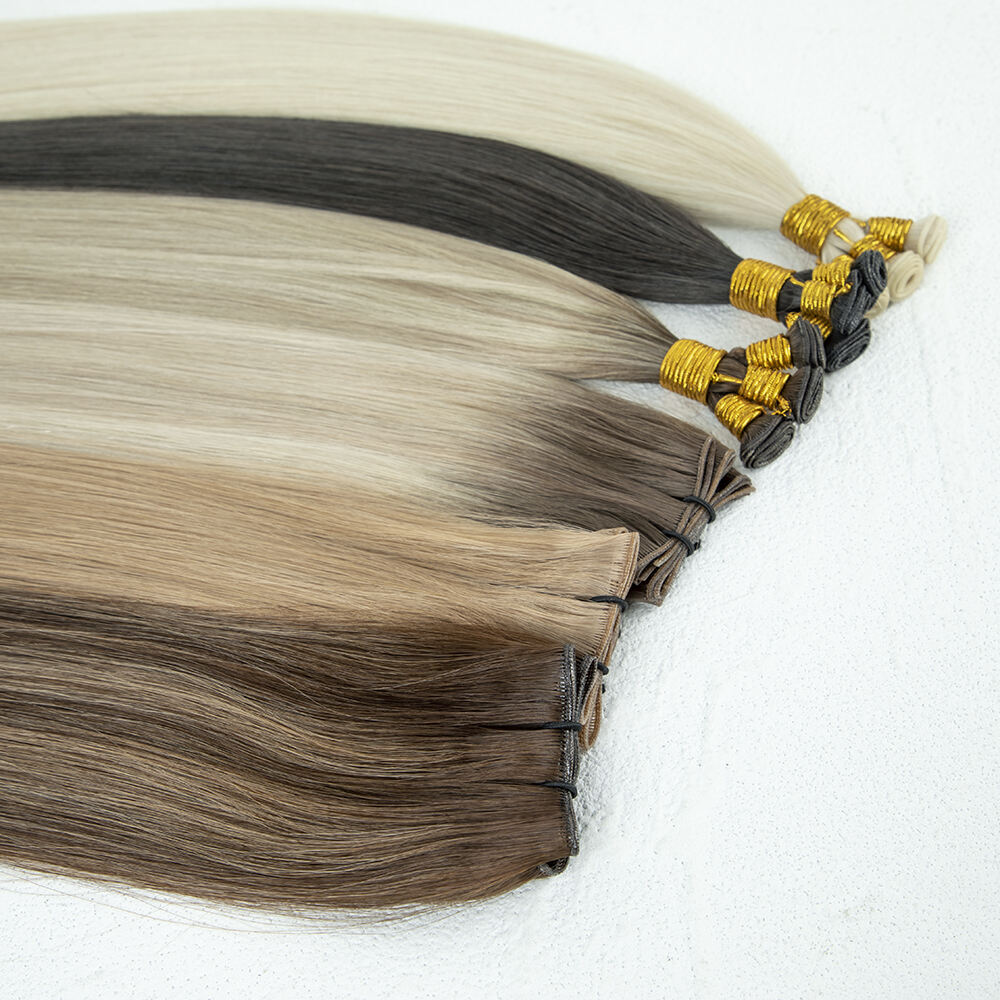
When it comes to hair extensions, few options offer the versatility and natural appearance of a human hair weft. Whether you are a professional stylist working in a high-end salon or a distributor sourcing products for a growing client base, understanding how a human hair weft is applied is essential to delivering results that look seamless, last longer, and satisfy the end user. The application method you choose directly affects the wear time, the health of the natural hair underneath, and the overall styling outcome.
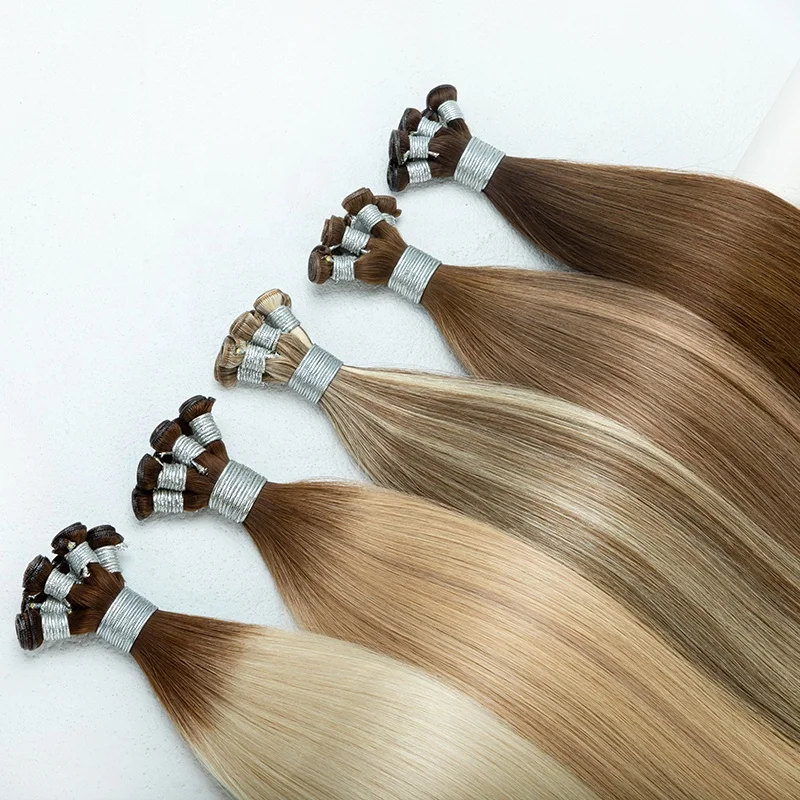
This article breaks down the most popular application methods used with human hair weft extensions today, explaining how each technique works, which hair types and client profiles it suits best, and what stylists need to consider before choosing one approach over another. From traditional sew-in methods to the increasingly popular hand-tied and genius weft systems, the landscape of human hair weft application has evolved significantly, giving professionals more precision and flexibility than ever before.
Understanding the Human Hair Weft Format
What Defines a Weft and Why It Matters for Application
A human hair weft is a strip of hair strands sewn or bonded together along a horizontal track, creating a flat, continuous band that can be attached to the natural hair in multiple ways. The construction of the weft itself plays a major role in determining which application methods are compatible. Machine-sewn wefts, hand-tied wefts, and genius wefts each have different thicknesses, flexibility levels, and edge structures that influence how they lay against the scalp and how they respond to cutting and customization.
Machine wefts are the most traditional format. They feature a thick, reinforced top edge that prevents shedding but adds some bulk. Hand-tied wefts, by contrast, are constructed with a much thinner, more flexible band, making them ideal for clients with fine or thin hair who need a flatter, more discreet result. The genius weft is a newer innovation that combines the durability of a machine weft with the thinness of a hand-tied weft, offering stylists a highly adaptable option that can be cut without unraveling.
Understanding these structural differences is the first step in selecting the right application method. A stylist who applies a thick machine weft using a technique designed for hand-tied extensions will likely produce a result that is visible, uncomfortable, or prone to slipping. Matching the weft format to the application technique is a foundational principle of professional human hair weft styling.
How Weft Quality Affects Long-Term Styling Results
The quality of the human hair weft itself has a direct impact on how well any application method performs over time. High-quality wefts made from Remy human hair, where the cuticles are aligned in the same direction, resist tangling and matting far better than non-Remy alternatives. This matters especially for methods like sew-in and beaded weft applications, where the extensions remain in place for several weeks at a time.
A well-constructed human hair weft also holds color treatments, heat styling, and conditioning products more effectively, which is important for clients who want to style their extensions alongside their natural hair. Distributors and salon professionals sourcing wefts for resale or service use should prioritize consistent cuticle alignment, minimal shedding at the weft edge, and a track width that suits the application methods their clients most commonly request.
The Sew-In Method: A Classic Approach with Lasting Relevance
How the Sew-In Technique Works
The sew-in method, also known as the weave method, is one of the oldest and most widely practiced ways to apply a human hair weft. In this technique, the natural hair is braided into flat cornrows that run horizontally across the head. The human hair weft is then sewn directly onto these braided tracks using a curved needle and thread, securing the extension firmly without the use of adhesives or heat.
This method is particularly popular among clients with thick, coarse, or Afro-textured hair, as the density of the natural hair provides a strong foundation for the braided base. The sew-in can be done as a full install, covering the entire head, or as a partial install that adds volume and length to specific sections while leaving some natural hair out to blend with the extensions.
One of the key advantages of the sew-in method is its durability. A properly installed human hair weft sewn onto tight cornrows can last six to eight weeks with proper maintenance. The technique also protects the natural hair from daily manipulation, making it a popular choice as a protective style.
Considerations and Limitations of Sew-In Application
While the sew-in method is reliable and long-lasting, it does come with some limitations that stylists should communicate clearly to clients. The braided base can create tension on the scalp if the cornrows are too tight, which may lead to discomfort or, in extreme cases, traction alopecia over time. Proper technique and appropriate tension are critical to keeping this method safe for the natural hair and scalp.
The sew-in method is also less suitable for clients with very fine or thin hair, as the braided base may be difficult to create and the added weight of the human hair weft could stress fragile strands. In these cases, stylists typically recommend lighter application methods such as the beaded weft or hand-tied weft techniques, which distribute weight more evenly and require less tension at the root.
Beaded Weft Application: Precision Without Adhesives
The Mechanics of Beaded Weft Installation
The beaded weft method, sometimes called the NBR (Natural Beaded Rows) method or simply the bead and sew technique, has grown significantly in popularity over the past decade. In this approach, small silicone-lined micro beads or rings are threaded onto sections of the natural hair, and the human hair weft is then sewn onto a row of these beads rather than onto braided cornrows. The result is a flatter, more flexible foundation that moves more naturally with the hair.
Because no braiding is required, the beaded weft method is accessible to a wider range of hair types, including fine and straight hair that would not hold a cornrow well. The silicone lining inside the beads protects the natural hair shaft from direct metal contact, reducing the risk of breakage. This makes the beaded weft application one of the most hair-friendly methods available for installing a human hair weft.
The technique also allows for more precise placement. Stylists can position the rows of beads exactly where volume or length is needed, creating a customized result that suits the client's natural hair growth pattern and desired style. This level of control is one reason the beaded weft method has become a preferred choice among extension specialists working with high-end clientele.
Maintenance and Adjustment Cycles for Beaded Wefts
One practical consideration with the beaded weft method is the maintenance schedule. As the natural hair grows, the bead rows move away from the scalp, which can cause the human hair weft to sit lower than intended and become more visible. Most clients return to the salon every six to eight weeks for a move-up appointment, during which the beads are repositioned closer to the scalp and the weft is re-sewn onto the adjusted rows.
This regular maintenance cycle is actually a selling point for many salon professionals, as it creates a consistent revenue stream and allows the stylist to monitor the health of the natural hair at each visit. Distributors supplying salons that specialize in beaded weft services should ensure their human hair weft inventory includes options with thin, flexible tracks that lay flat against the bead rows without adding unnecessary bulk.
Hand-Tied Weft Methods: The Premium Flat-Lay Technique
Why Hand-Tied Wefts Are Preferred for Fine Hair
The hand-tied human hair weft has become one of the most sought-after extension formats in the professional market, particularly for clients with fine, thin, or color-treated hair. Unlike machine wefts, hand-tied wefts are constructed by manually knotting individual hair strands onto a thin thread base, resulting in a track that is significantly thinner and more pliable than its machine-made counterpart.
This ultra-thin construction allows the human hair weft to lay almost completely flat against the scalp when installed using the beaded row method, creating a result that is virtually undetectable even when the hair is worn up or in a ponytail. For clients who have struggled with visible extension tracks in the past, the hand-tied weft often represents a transformative upgrade in both comfort and aesthetics.
The hand-tied format is also highly compatible with balayage and highlighted hair, as the thin track does not interrupt the color flow the way a thicker machine weft might. This makes it a natural fit for salons that specialize in color services and want to offer extensions that complement rather than compete with their color work.
The Genius Weft as an Evolution of Hand-Tied Technology
The genius weft represents the next generation of human hair weft construction, addressing one of the main limitations of traditional hand-tied wefts: the inability to cut the track without causing shedding. Because hand-tied wefts are constructed with open knots along the track, cutting between the knots releases individual strands and reduces the density of the weft. The genius weft solves this problem by incorporating a reinforced structure that allows the track to be cut at any point without unraveling.
This makes the genius weft an exceptionally versatile option for stylists who need to customize the length of each row to fit the client's head shape precisely. Rather than folding or doubling over excess weft material, the stylist can simply trim the track to the exact measurement needed, resulting in a cleaner, more tailored installation. The human hair weft in genius format is increasingly the preferred choice for extension specialists who prioritize both precision and efficiency in their work.
For distributors, the genius weft format also offers a competitive advantage in the wholesale market. Salons that have adopted genius weft techniques tend to be loyal to suppliers who can consistently deliver wefts with uniform density, clean edges, and reliable cuticle alignment, making quality control a key differentiator in this product category.
Tape-In and Glue-Based Weft Applications
How Tape-In Weft Application Works
Tape-in extensions represent a different category of human hair weft application, one that uses a pre-applied adhesive strip rather than thread or beads to secure the extension to the natural hair. In this method, thin weft panels with a medical-grade adhesive backing are sandwiched around small sections of the natural hair, bonding the extension in place without any sewing or mechanical attachment.
The tape-in method is known for its speed of application. A full head of tape-in extensions can typically be installed in under an hour, making it an attractive option for busy salons and clients with limited time. The flat adhesive bond also creates a relatively discreet result, though the tape tabs can sometimes be felt when running fingers through the hair, which some clients find noticeable.
Tape-in wefts are best suited for clients with medium-density hair who want a semi-permanent extension solution with a shorter commitment period. The adhesive bonds typically last four to six weeks before requiring a re-application, at which point the old tape is removed using a specialized solvent and fresh tape tabs are applied to the same weft panels.
Glue and Heat Bond Methods for Weft Attachment
Some stylists use hot glue or keratin bond adhesives to attach a human hair weft directly to the natural hair, particularly in situations where a quick, temporary application is needed for editorial, photographic, or event styling purposes. In this approach, a thin line of adhesive is applied along the top edge of the weft track and pressed against a section of the natural hair, creating an instant bond that holds the extension in place.
While this method is fast and requires minimal equipment, it is generally not recommended for long-term wear. The heat and adhesive can weaken the natural hair shaft over time, and removal requires careful use of solvents that, if applied incorrectly, can cause breakage. For everyday salon use, most professionals prefer the sew-in, beaded, or hand-tied methods over adhesive-based techniques when working with a human hair weft intended for extended wear.
That said, glue-based application remains relevant in specific professional contexts, particularly in the fashion and entertainment industries where extensions need to be applied and removed quickly without a long-term commitment. Understanding the full range of application methods allows stylists and distributors to serve a broader spectrum of client needs.
FAQ
Which application method is best for clients with fine or thin hair?
For clients with fine or thin hair, the hand-tied or genius weft method installed using the beaded row technique is generally the most suitable option. The ultra-thin track of a hand-tied human hair weft lays flat against the scalp without adding bulk, and the beaded attachment distributes weight evenly to minimize stress on fragile strands. This combination delivers a natural, comfortable result that is far less likely to cause visible tracks or scalp tension.
How long does a human hair weft typically last with regular maintenance?
The lifespan of a human hair weft depends on the quality of the hair, the application method used, and how well the client maintains the extensions at home. High-quality Remy wefts installed using the sew-in or beaded method can last twelve to eighteen months with proper care, including regular conditioning, gentle detangling, and scheduled maintenance appointments every six to eight weeks. Tape-in wefts have a shorter cycle due to the adhesive re-application requirement.
Can a human hair weft be colored or heat styled after installation?
Yes, a high-quality human hair weft made from Remy human hair can be colored, highlighted, and heat styled just like natural hair. However, it is generally recommended to perform any color treatments before installation to ensure even saturation and to avoid exposing the attachment points to chemical processing. After installation, heat styling tools such as flat irons and curling wands can be used at moderate temperatures, and regular deep conditioning treatments will help maintain the softness and longevity of the extensions.
What should distributors look for when sourcing human hair weft products?
Distributors sourcing human hair weft products for salon or retail supply should prioritize consistent cuticle alignment, minimal shedding at the weft edge, uniform density from root to tip, and a track construction that is compatible with the most popular application methods their clients use. Genius weft formats are increasingly in demand due to their cuttability and versatility. Reliable quality control, transparent sourcing practices, and the ability to supply both standard and custom weft widths are key factors that distinguish strong wholesale partners in this category.