 EN
EN
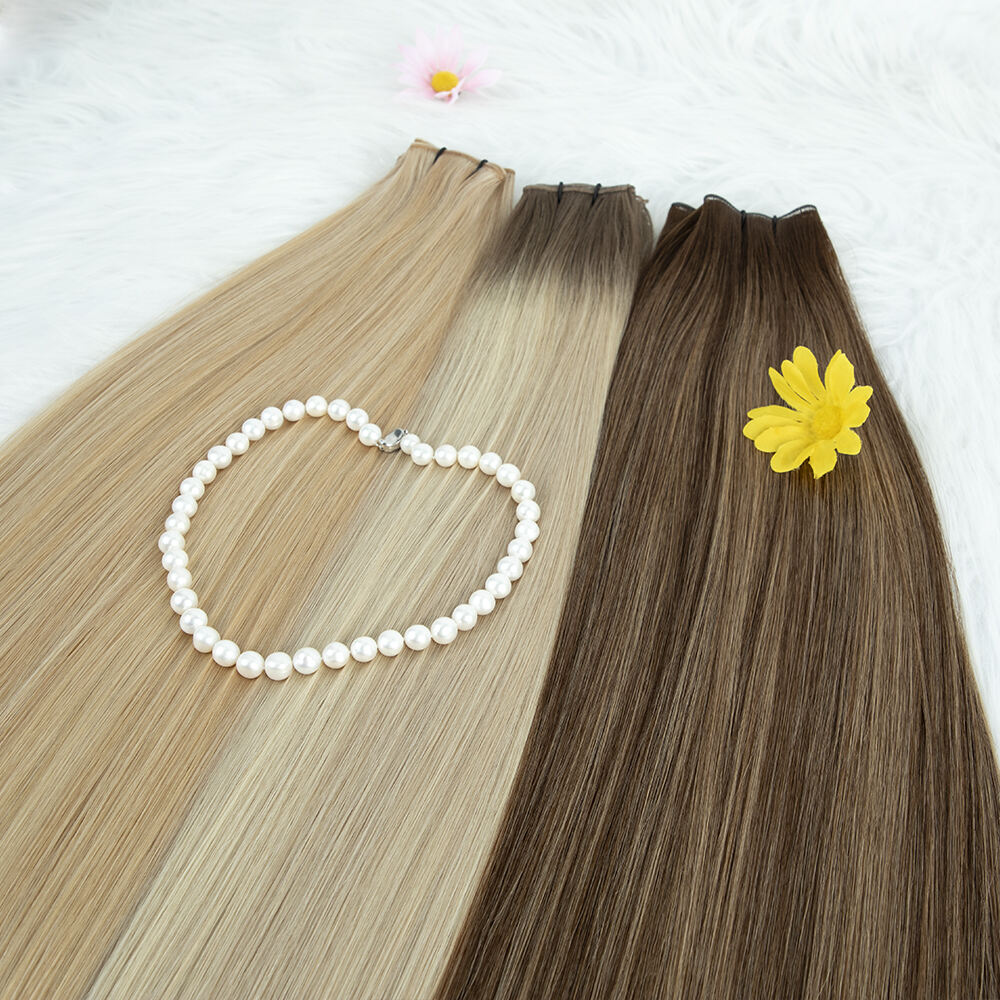
Human hair extensions have revolutionized the beauty industry, offering instant length, volume, and style transformation. Among the various extension methods available, tape-in extensions have gained significant popularity due to their seamless blend and relatively gentle application process. Many users wonder about the longevity and reusability of these extensions, particularly when investing in high-quality human hair pieces. Understanding the reusability factor of tape-in extensions can help you make informed decisions about your hair extension investment and maintenance routine.
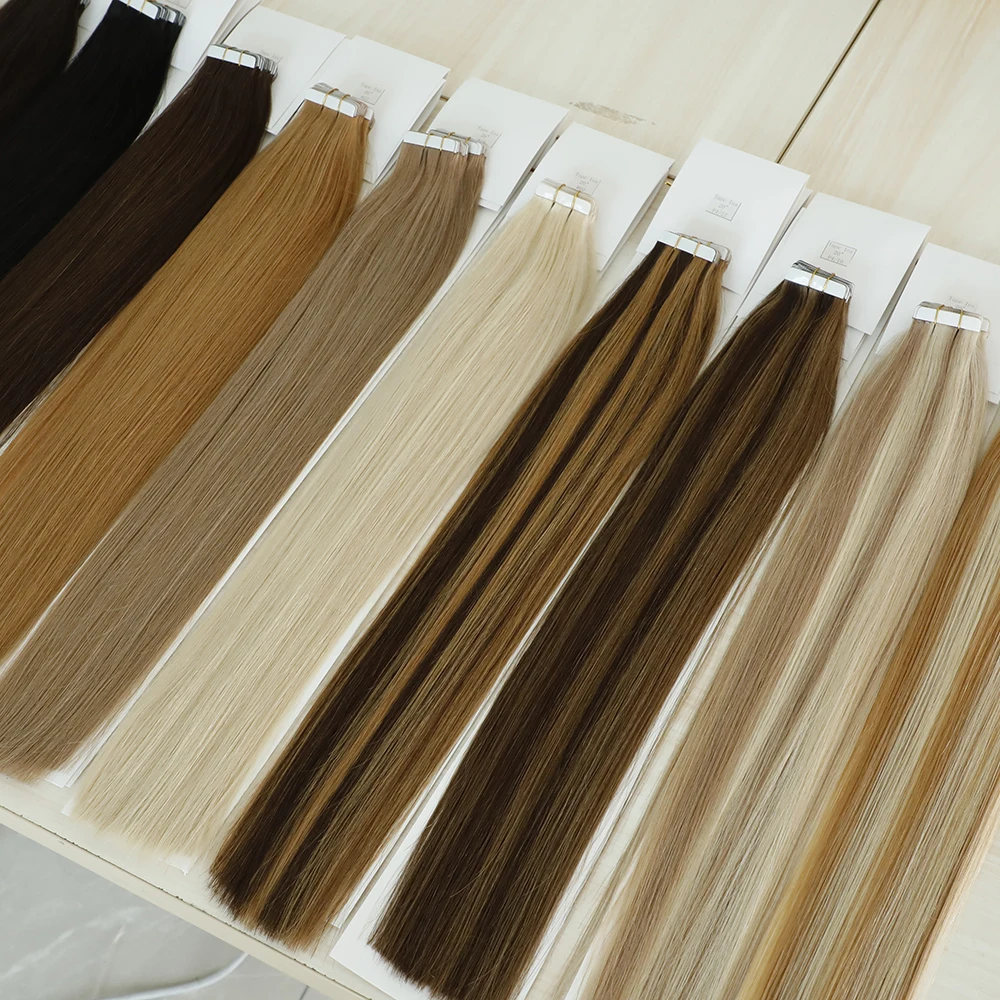
The ability to reuse tape-in extensions depends on several crucial factors, including the quality of the human hair, the adhesive strength, proper removal techniques, and maintenance practices. Professional-grade tape-in extensions made from 100% human hair typically offer better reusability compared to synthetic alternatives. The adhesive tape quality plays a vital role in determining how many times you can safely reapply the extensions without damaging your natural hair or the extension pieces themselves.
Most high-quality tape-in extensions can be reused between two to four times with proper care and professional handling. The reusability factor makes them a cost-effective option for individuals seeking semi-permanent hair enhancement solutions. However, the success of reusing these extensions largely depends on following correct removal procedures, using appropriate replacement tapes, and maintaining the hair quality throughout multiple applications.
Understanding Tape-In Extension Construction and Durability
Hair Quality Impact on Reusability
The foundation of reusable tape-in extensions lies in the quality of human hair used in their construction. Premium Remy human hair extensions maintain their integrity longer than processed or lower-grade hair options. Remy hair preserves the natural cuticle alignment, reducing tangling and matting that could compromise the extension's lifespan. When cuticles remain intact and properly aligned, the hair maintains its natural strength and flexibility, allowing for multiple removal and reapplication cycles.
Double-drawn human hair extensions offer superior consistency in length and thickness, contributing to their durability during reuse processes. The uniform hair distribution ensures that the tape-in extensions maintain their appearance and performance across multiple applications. Higher-grade human hair also responds better to washing, styling, and heat treatments, which are inevitable during extended wear periods.
Adhesive Technology and Tape Quality
The adhesive component of tape-in extensions significantly influences their reusability potential. Medical-grade adhesives used in professional tape-in extensions provide strong hold while remaining removable without excessive damage to natural hair. The tape quality determines how cleanly the extensions can be removed and whether replacement tapes will adhere properly during reapplication.
Advanced adhesive formulations are designed to maintain their structural integrity even after professional removal processes. Quality tapes resist moisture, oils, and styling products while maintaining flexibility that prevents breakage during wear. The thickness and backing material of the tape also contribute to successful reuse, as thinner, more flexible options typically perform better during multiple application cycles.
Proper Removal Techniques for Extension Reusability
Professional Removal Methods
Professional removal represents the most critical factor in preserving tape-in extensions for future use. Trained stylists use specialized removal solutions that break down the adhesive bonds without compromising the hair structure. These removal products are formulated to dissolve the tape while conditioning the hair, preventing dryness and damage that could affect reusability.
The removal process involves applying the solution along the tape line and allowing sufficient time for the adhesive to soften before gently separating the extension pieces. Rushing this process or using excessive force can damage both the natural hair and the extension hair, rendering the pieces unsuitable for reuse. Professional removal also ensures that all adhesive residue is thoroughly cleaned from both the extension and natural hair.
DIY Removal Considerations
While professional removal is recommended, some individuals attempt DIY removal using oil-based products or specialized removal solutions available for home use. The success of DIY removal depends on patience, proper technique, and using appropriate products designed for tape-in extensions. Coconut oil, olive oil, or commercial adhesive removers can help soften the tape, but the process requires careful attention to avoid hair damage.
DIY removal carries higher risks of damaging the extension hair through improper technique or inadequate cleaning of adhesive residue. However, when performed correctly with quality removal products, it can preserve the extensions for reuse while saving professional service costs. The key lies in taking sufficient time, using gentle motions, and thoroughly cleaning all adhesive residue before attempting reapplication.
Maintenance Practices That Extend Extension Life
Daily Care Routines
Proper daily maintenance significantly impacts the reusability of tape-in extensions. Gentle brushing with extension-specific brushes prevents tangling and matting that could damage the hair structure. Starting from the ends and working upward helps maintain the hair's integrity while preventing unnecessary tension on the tape bonds. Regular brushing also distributes natural oils throughout the hair, keeping both the extensions and natural hair healthy.
Sleeping with tape-in extensions requires special considerations to prevent damage and prolong their lifespan. Using silk or satin pillowcases reduces friction that can cause tangling and matting. Braiding or loosely tying the hair before sleep prevents excessive movement that could stress the tape bonds or cause hair damage. These simple practices can significantly extend the life of tape-in extensions, making them more suitable for multiple reuses.
Washing and Styling Protocols
Washing tape-in extensions properly maintains their quality throughout multiple wear cycles. Using sulfate-free shampoos prevents the tape adhesive from breaking down prematurely while keeping the hair clean and healthy. Avoiding the tape area when applying conditioner prevents product buildup that could compromise adhesive strength. Gentle washing motions and thorough rinsing help maintain both hair quality and tape integrity.
Heat styling practices directly impact the longevity and reusability of tape-in extensions. Using heat protectant products before styling prevents damage from high temperatures that could compromise hair structure. Limiting heat exposure and using lower temperature settings when possible helps preserve the hair's natural properties. Air-drying when feasible reduces heat damage accumulation over multiple wear periods, contributing to successful reuse potential.
Replacement Tape Application and Reattachment Process
Tape Replacement Procedures
Successfully reusing tape-in extensions requires complete removal of old adhesive and application of new tape strips. Quality replacement tapes specifically designed for the extension brand ensure proper adhesion and performance. The hair sections must be thoroughly cleaned of all residue before applying new tape to achieve optimal hold and longevity. Professional-grade replacement tapes often provide better performance than generic alternatives.
The tape replacement process involves measuring and cutting appropriate lengths to match the original application pattern. Proper alignment ensures seamless blending and comfortable wear throughout the next application cycle. Some extension manufacturers provide specific instructions for tape replacement, including recommended products and techniques that optimize reuse success rates.
Reapplication Best Practices
Reapplying tape-in extensions with fresh tape requires attention to placement accuracy and sectioning consistency. Maintaining the same sectioning pattern as previous applications helps ensure natural appearance and comfortable wear. Clean, dry hair provides the best foundation for new tape adhesion, requiring thorough preparation before reattachment begins.
The reapplication process should follow the same careful techniques used in initial installation. Proper tension during application prevents gaps or loose sections that could compromise the longevity of the reattached extensions. Taking time to ensure each piece is securely attached and properly blended contributes to successful reuse and extended wear periods.
Cost-Effectiveness Analysis of Reusing Extensions
Financial Benefits of Multiple Uses
The ability to reuse tape-in extensions multiple times significantly improves their cost-effectiveness compared to single-use alternatives. High-quality human hair extensions represent a substantial initial investment, but successful reuse can reduce the per-wear cost considerably. When properly maintained and reapplied, quality tape-in extensions can provide several months of wear across multiple application cycles.
Calculating the total cost of ownership includes the initial extension purchase, professional application and removal services, replacement tape costs, and maintenance products. Despite these ongoing expenses, reusable tape-in extensions often prove more economical than frequent salon visits for temporary styling or purchasing multiple sets of lower-quality extensions that cannot be reused effectively.
Long-term Investment Considerations
Investing in premium tape-in extensions designed for multiple uses requires higher initial costs but provides better long-term value. The durability and reusability of quality extensions justify the higher price point through extended service life and maintained appearance quality. Cheaper alternatives may seem attractive initially but often fail to provide satisfactory reuse potential, resulting in higher long-term costs.
Professional maintenance services, while adding to the overall cost, often prove essential for maximizing reuse potential. The investment in professional removal and reapplication services helps preserve extension quality and ensures proper technique that supports multiple use cycles. This professional approach often results in better long-term outcomes and cost savings compared to DIY methods that may compromise extension integrity.
FAQ
How many times can you typically reuse quality tape-in extensions
High-quality tape-in extensions made from 100% human hair can typically be reused 2-4 times with proper care and professional handling. The exact number depends on factors such as hair quality, maintenance practices, removal techniques, and replacement tape quality. Premium Remy human hair extensions generally offer better reusability than lower-grade alternatives, while proper care and professional services can maximize the number of successful reuse cycles.
What factors most impact the reusability of tape-in extensions
Several key factors determine how successfully tape-in extensions can be reused, including the original hair quality, proper removal techniques, thorough cleaning of adhesive residue, quality of replacement tapes, and overall maintenance practices during wear. Professional removal and reapplication services typically provide better outcomes than DIY methods, while daily care routines and styling practices significantly impact the hair condition between applications.
Can you use different tape brands when reapplying extensions
While it's possible to use different tape brands for reapplication, using replacement tapes specifically designed for your extension brand typically provides better results. Different adhesive formulations may have varying strengths, flexibility, and removal characteristics that could impact performance. Manufacturer-recommended replacement tapes are formulated to work optimally with specific extension construction and hair treatments, ensuring better adhesion and easier future removal.
What are the signs that tape-in extensions should not be reused
Several indicators suggest that tape-in extensions have reached the end of their reusable life, including excessive tangling or matting, significant hair shedding, damaged or frayed ends, persistent odors that don't resolve with washing, and structural damage to the tape area. Additionally, if the hair has become severely dry, brittle, or chemically damaged from previous processing or styling, attempting reuse may result in poor performance and potential damage to natural hair during application.