 EN
EN
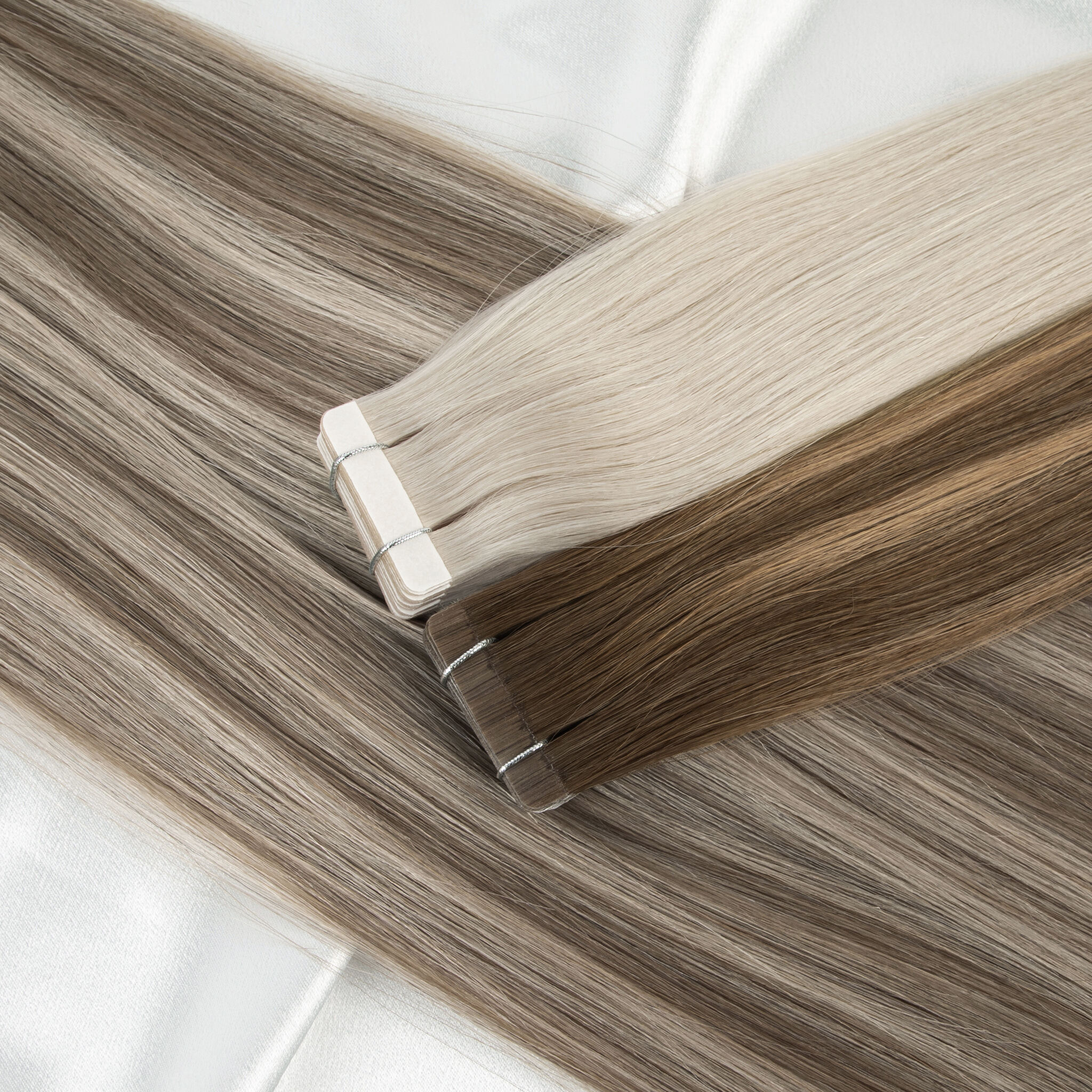
When dealing with damaged hair, finding safe styling solutions becomes a top priority for many individuals seeking to enhance their appearance without causing further harm. Human hair tape-in extensions have emerged as one of the most popular temporary hair enhancement methods, but questions remain about their safety for compromised hair structures. Understanding the relationship between extension application and hair health is crucial for making informed decisions about hair enhancement options.
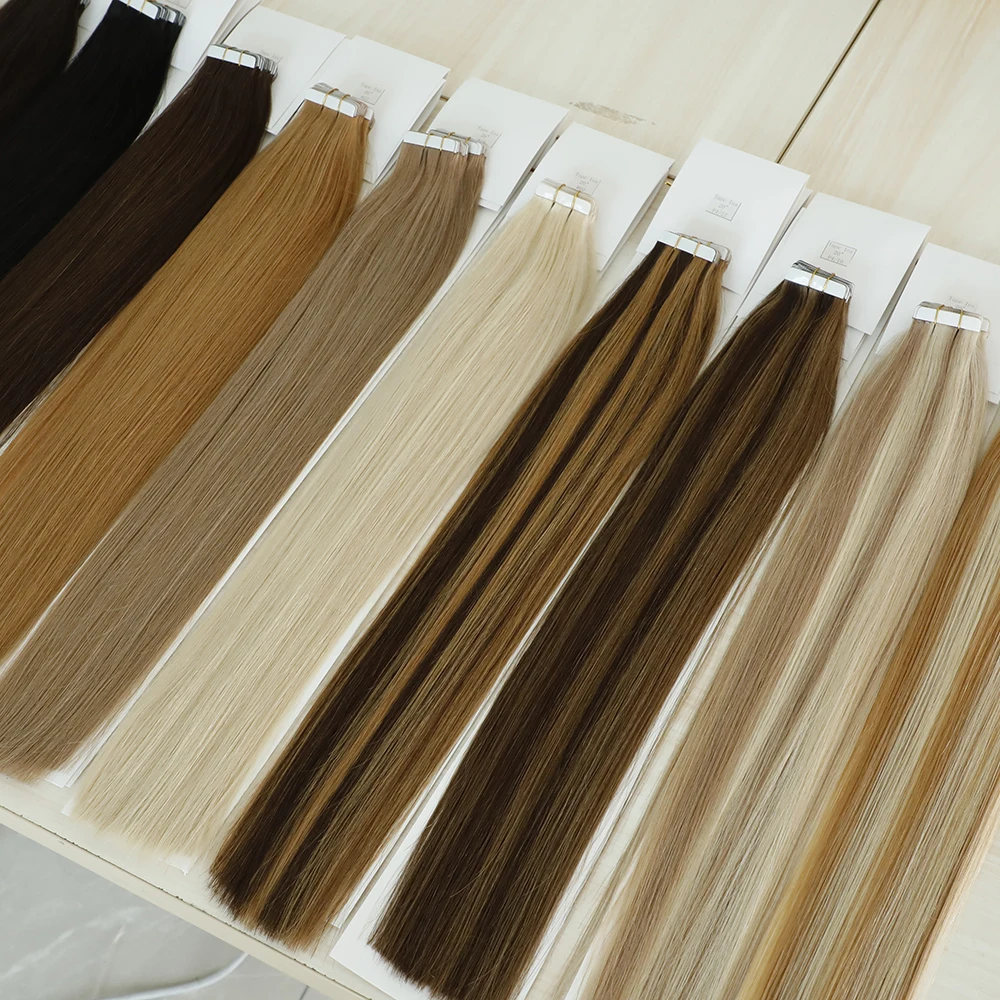
The safety of human hair tape-in extensions largely depends on the current condition of your hair, the quality of the extensions themselves, and the expertise of the application process. Unlike permanent chemical treatments or heat-intensive styling methods, tape-in extensions offer a gentler approach to hair transformation that can actually provide protective benefits when applied correctly.
Understanding Hair Damage and Extension Compatibility
Types of Hair Damage That Affect Extension Safety
Hair damage manifests in various forms, each presenting unique considerations for extension application. Chemical damage from bleaching, coloring, or perming weakens the hair shaft structure, making strands more susceptible to breakage. Heat damage from excessive styling tool use creates brittle, dry hair that lacks elasticity and strength. Environmental damage from sun exposure, pollution, and harsh weather conditions can leave hair porous and fragile.
Mechanical damage from aggressive brushing, tight hairstyles, or previous extension removal can create weak points along the hair shaft. Understanding your specific type of hair damage helps determine whether human hair tape-in extensions are appropriate for your current hair condition and what precautions may be necessary during application and maintenance.
Assessing Hair Health Before Extension Application
Professional assessment of hair health should precede any extension application, especially when dealing with damaged hair. A thorough evaluation includes examining hair porosity, elasticity, density, and overall structural integrity. Hair professionals can perform strand tests to determine how your hair responds to gentle tension and whether it can support the minimal weight of tape-in extensions.
The scalp condition also plays a crucial role in extension safety. Irritated, inflamed, or sensitive scalps may not be suitable for extension application until underlying issues are resolved. A healthy scalp provides the foundation for safe extension wear and optimal hair growth during the enhancement period.
Benefits of Human Hair Tape-In Extensions for Damaged Hair
Protective Qualities and Hair Preservation
Human hair tape-in extensions can actually provide protective benefits for damaged hair when used appropriately. The extensions create a barrier that shields natural hair from environmental stressors and reduces the need for frequent heat styling. This protection allows damaged hair time to recover while maintaining desired length and volume appearance.
The temporary nature of human hair tape-in extensions means they can be removed without permanent alteration to natural hair structure. This flexibility allows for hair recovery periods between applications and prevents long-term damage associated with more permanent enhancement methods.
Reduced Styling Stress and Chemical Exposure
Using human hair tape-in extensions can significantly reduce the need for damaging styling practices. Instead of subjecting fragile hair to heat tools, chemical treatments, or harsh manipulation, extensions provide instant length and volume with minimal intervention. This reduction in styling stress allows damaged hair follicles and shafts to begin natural repair processes.
The high-quality human hair used in premium tape-in extensions requires less processing and chemical treatment than synthetic alternatives, making them more compatible with sensitive or damaged hair types. Natural human hair extensions blend seamlessly with existing hair textures and respond to styling in ways that complement rather than stress natural hair.
Application Considerations for Damaged Hair
Professional Installation Requirements
Professional installation becomes even more critical when applying human hair tape-in extensions to damaged hair. Experienced stylists understand how to assess hair condition, select appropriate placement points, and adjust application techniques to accommodate weakened hair structures. They can identify areas of severe damage that should be avoided during installation to prevent further breakage.
The positioning of tape-in extensions requires careful consideration of hair growth patterns, damage distribution, and natural hair density. Professional stylists can strategically place extensions to provide maximum coverage while minimizing stress on the most compromised areas of natural hair.
Adhesive Selection and Sensitivity Testing
The adhesive quality in human hair tape-in extensions plays a crucial role in their safety for damaged hair. High-quality medical-grade adhesives provide secure hold without excessive bonding strength that could damage hair during removal. Lower-quality adhesives may cause scalp irritation or create removal difficulties that result in hair breakage.
Patch testing becomes essential for individuals with damaged hair, as compromised hair and scalp conditions may increase sensitivity to adhesive materials. A small test application can reveal potential allergic reactions or compatibility issues before full installation, preventing widespread damage or discomfort.
Maintenance Protocols for Safe Extension Wear
Gentle Care Routines and Product Selection
Maintaining human hair tape-in extensions on damaged hair requires modified care routines that prioritize gentleness over aggressive cleaning or styling. Sulfate-free shampoos and nourishing conditioners help maintain both extension quality and natural hair health without stripping essential oils or weakening adhesive bonds.
Brushing techniques must be adjusted to accommodate both the extensions and underlying damaged hair. Wide-tooth combs and extension-specific brushes help prevent tangling and minimize tension on weakened hair strands. Starting from the ends and working upward reduces stress on both natural hair and extension attachment points.
Heat Styling Limitations and Protective Measures
While human hair tape-in extensions can withstand some heat styling, damaged natural hair may require additional protection during any thermal styling processes. Heat protectant products become essential for preserving both extension quality and preventing further damage to compromised natural hair.
Temperature limitations should be more conservative when styling human hair tape-in extensions on damaged hair. Lower heat settings and reduced frequency of heat styling help maintain hair health while allowing for occasional styling flexibility when needed.
Removal Process and Hair Recovery
Professional Removal Techniques
Professional removal of human hair tape-in extensions becomes particularly important for damaged hair to prevent additional trauma during the detachment process. Specialized removal solutions designed to dissolve adhesive bonds safely allow for gentle separation without pulling or breaking weakened hair strands.
The timing of extension removal should align with hair growth cycles and damage recovery progress. Leaving extensions in place too long can lead to tangling, matting, or increased stress on damaged areas, while premature removal may not provide adequate protection time for hair recovery.
Post-Removal Hair Care and Recovery
Following extension removal, damaged hair requires intensive care to continue the recovery process. Deep conditioning treatments, protein reconstructors, and moisture-balancing products help restore hair health and prepare it for future styling or extension applications.
The recovery period between extension applications allows natural hair to regain strength and resilience. This break period is essential for maintaining long-term hair health and ensuring continued compatibility with human hair tape-in extensions in future applications.
Quality Factors in Extension Safety
Human Hair Quality and Processing Methods
The quality of human hair used in tape-in extensions directly impacts their safety for damaged hair applications. Virgin human hair that has undergone minimal chemical processing maintains natural strength and flexibility that complements compromised natural hair without adding additional stress or chemical exposure.
Remy human hair construction ensures cuticle alignment that reduces tangling and friction against damaged natural hair. This smooth interaction prevents additional mechanical damage that could occur with lower-quality extension materials that create rough surfaces or uneven textures.
Adhesive Technology and Biocompatibility
Advanced adhesive technologies in premium human hair tape-in extensions provide strong yet removable bonds that accommodate the delicate nature of damaged hair. Hypoallergenic formulations reduce the risk of scalp irritation or allergic reactions that could compromise hair health further.
The breathability of modern adhesive systems allows for natural scalp function and hair growth while maintaining secure extension placement. This balance between hold and flexibility supports hair health during the extension wear period.
Long-Term Hair Health Considerations
Growth Promotion and Damage Prevention
Strategic use of human hair tape-in extensions can support long-term hair health goals by reducing manipulation and styling damage to natural hair. The protective environment created by extensions allows follicles to produce stronger, healthier hair growth over time.
Regular assessment of hair condition during extension wear helps identify improvements or areas of concern that may require modified care approaches. This ongoing evaluation ensures that extension use continues to support rather than hinder hair recovery efforts.
Transition Strategies for Recovering Hair
As damaged hair recovers strength and health, the approach to human hair tape-in extensions may evolve to accommodate improved hair condition. Gradually increasing extension density or length can parallel natural hair recovery while maintaining desired aesthetic goals.
The transition from damaged to healthy hair may allow for more styling flexibility and longer wear periods between maintenance appointments. This progression demonstrates the successful integration of extension use with hair recovery efforts.
FAQ
How long should I wait after hair damage before applying tape-in extensions
The waiting period depends on the extent and type of damage, but generally, hair should show signs of recovery and stability before extension application. Mild damage may allow for immediate gentle extension use, while severe chemical or heat damage may require several weeks of intensive treatment. A professional consultation can determine the appropriate timeline based on your specific hair condition and recovery progress.
Can tape-in extensions help hide damaged hair while it grows out
Yes, human hair tape-in extensions are excellent for concealing damaged areas while providing a protective environment for hair recovery. They can cover uneven lengths from breakage, add volume to thinning areas, and create uniform appearance during the regrowth process. The key is proper placement to avoid additional stress on the most compromised areas.
What signs indicate that extensions should be removed from damaged hair
Warning signs include increased hair breakage at attachment sites, scalp irritation, excessive tangling, or visible thinning around extension placement areas. Any discomfort, pain, or worsening of existing damage indicates immediate professional evaluation. Regular monitoring and professional check-ups help identify issues before they become serious problems.
Are there specific hair damage types that should avoid tape-in extensions entirely
Severely compromised hair with extensive breakage, active scalp conditions, or hair that breaks easily with minimal tension may not be suitable for any extension type until recovery occurs. Alopecia, active scalp infections, or recent chemical burns require complete healing before considering extension application. Professional assessment is essential to determine individual suitability and safety.
Table of Contents
- Understanding Hair Damage and Extension Compatibility
- Benefits of Human Hair Tape-In Extensions for Damaged Hair
- Application Considerations for Damaged Hair
- Maintenance Protocols for Safe Extension Wear
- Removal Process and Hair Recovery
- Quality Factors in Extension Safety
- Long-Term Hair Health Considerations
- FAQ