 EN
EN
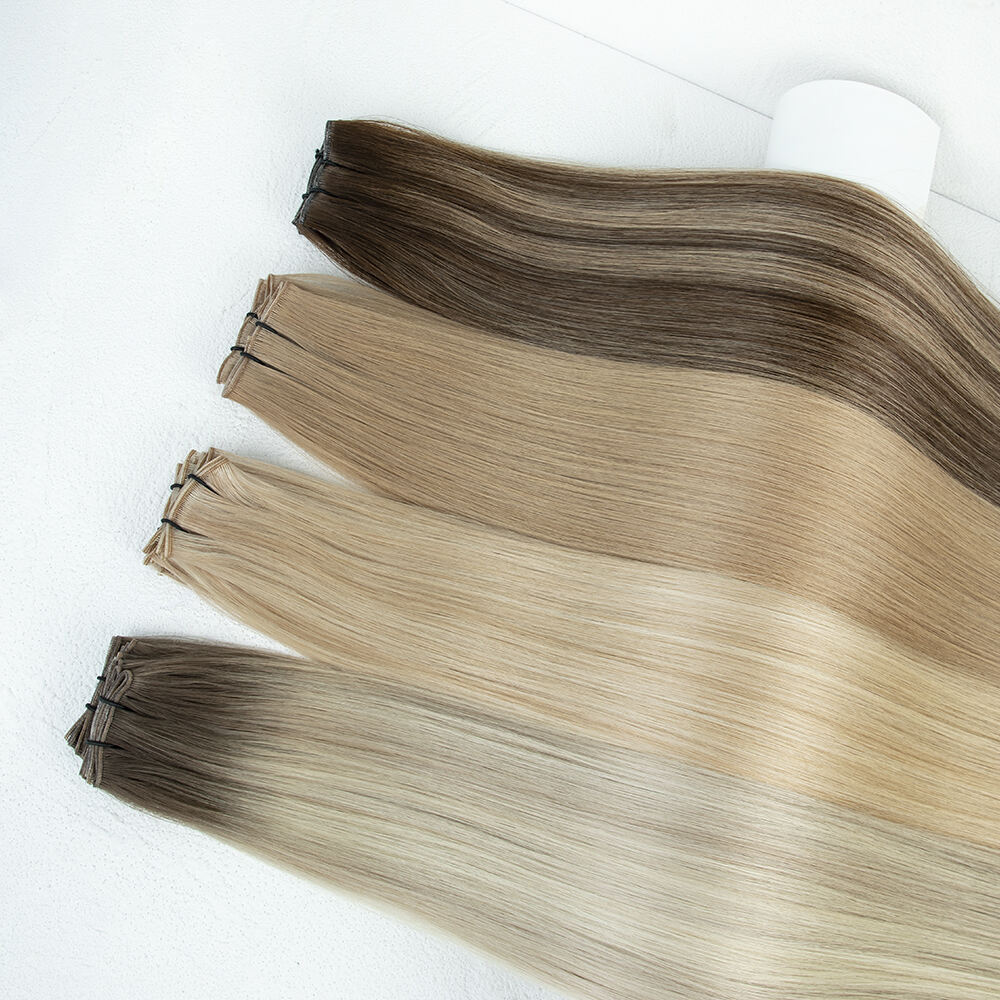
Achieving seamless integration between hair extensions and natural hair remains one of the most critical challenges in professional hairstyling and personal beauty enhancement. Hair wefts represent an innovative solution that addresses texture matching, color coordination, and styling versatility while maintaining the natural appearance that clients desire. The sophisticated construction methods and advanced fiber technology employed in modern hair wefts enable stylists to create transformations that are virtually undetectable from natural hair growth patterns.
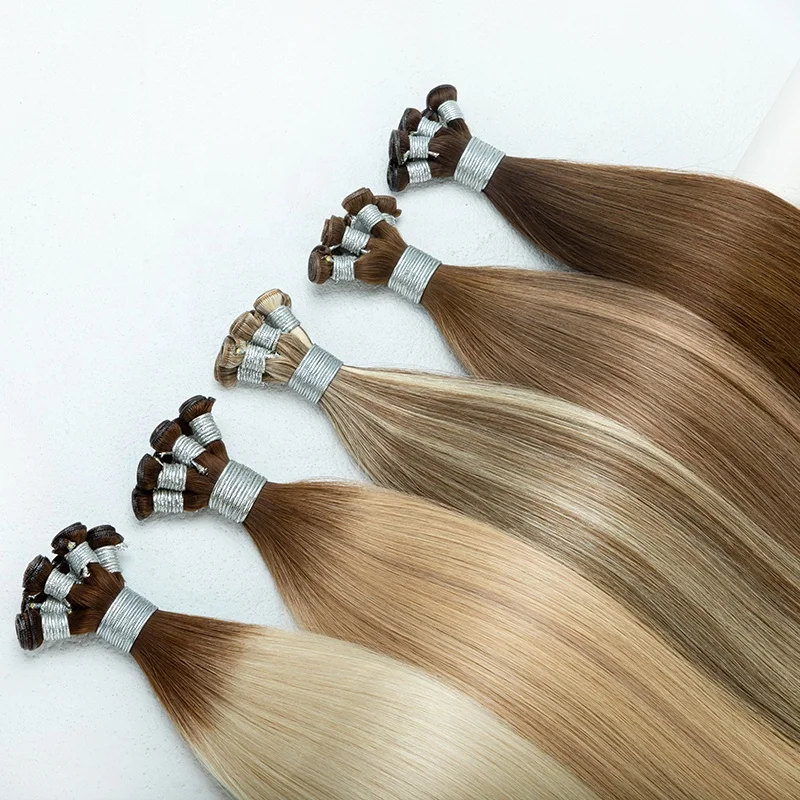
The art of blending hair wefts successfully requires comprehensive understanding of hair characteristics, application techniques, and maintenance protocols. Professional stylists must consider multiple factors including hair density, natural growth patterns, color gradients, and texture variations to achieve optimal results. When properly applied, hair wefts become an integral part of the overall hairstyle, moving naturally with the client's own hair while providing the desired volume, length, or color enhancement.
Understanding Hair Texture Compatibility
Natural Hair Structure Analysis
The microscopic structure of natural hair consists of three distinct layers: the cuticle, cortex, and medulla. Each layer contributes to the overall texture, porosity, and behavior of individual hair strands. Hair wefts designed for optimal blending must replicate these structural characteristics to ensure seamless integration with the client's existing hair. The cuticle alignment in quality hair wefts follows the same directional pattern as natural hair, preventing tangling and maintaining smooth texture throughout the wearing period.
Texture compatibility extends beyond surface appearance to include factors such as elasticity, moisture retention, and response to styling treatments. Premium hair wefts undergo specialized processing to match the natural elasticity of human hair, ensuring that both the extensions and natural hair respond similarly to brushing, styling, and environmental conditions. This compatibility prevents the telltale signs of artificial enhancement that can occur when texture mismatches create visible boundaries between natural and added hair.
Fiber Technology Advancements
Modern hair wefts incorporate advanced fiber technology that closely mimics the properties of natural human hair. These technological improvements include refined cuticle preservation techniques, enhanced color retention systems, and improved durability characteristics. The manufacturing process for premium hair wefts involves careful selection of donor hair, followed by minimal chemical processing to maintain the integrity of the natural hair structure.
Synthetic alternatives have also evolved significantly, with high-grade synthetic hair wefts now featuring heat-resistant fibers that can withstand styling temperatures up to 180 degrees Celsius. These synthetic options provide excellent texture matching capabilities while offering additional benefits such as color stability, reduced maintenance requirements, and consistent performance across various environmental conditions. The choice between human and synthetic hair wefts depends on individual client needs, budget considerations, and styling preferences.
Professional Application Techniques
Sectioning and Placement Strategies
Strategic sectioning forms the foundation of successful hair weft application, requiring precise measurement and careful consideration of the client's natural hair growth patterns. Professional stylists begin by analyzing the hair's natural fall, identifying areas where hair wefts can be placed to maximize coverage while maintaining natural movement. The sectioning process involves creating horizontal partings at strategic intervals, typically beginning at the nape area and working upward toward the crown.
Proper placement ensures that hair wefts remain concealed beneath the natural hair layers while providing the desired enhancement effects. The distance between weft placements must be calculated based on the client's hair density and the desired final appearance. Too close placement can create bulk and unnatural appearance, while excessive spacing may result in visible gaps or insufficient coverage. Experienced stylists develop intuitive understanding of optimal placement patterns through extensive training and practical application experience.
Attachment Methods and Security
Multiple attachment methods are available for securing hair wefts, each offering distinct advantages depending on the client's lifestyle, hair type, and longevity requirements. Sew-in methods provide maximum security and longevity, making them ideal for clients who maintain active lifestyles or prefer long-term hair enhancement solutions. The sewing process involves creating small, tight braids along the sectioned areas, then securing the hair wefts using specialized thread that matches the client's natural hair color.
Clip-in hair wefts offer temporary enhancement options that clients can apply and remove independently. These systems feature secure clip mechanisms that distribute weight evenly across the attachment points, preventing strain on the natural hair. The clips are strategically positioned along the weft to ensure secure hold while maintaining comfort during extended wear periods. Professional application ensures that clips are positioned to maximize hold while remaining completely concealed beneath the natural hair layers.
Color Matching and Blending Principles
Multi-Tonal Color Systems
Achieving perfect color integration requires understanding that natural hair rarely exhibits uniform coloration throughout its length and depth. Hair wefts designed for professional use often feature multi-tonal coloring systems that replicate the natural variation found in healthy hair. These systems include subtle highlights, lowlights, and root-to-tip color gradients that mirror the complexity of natural hair coloration patterns.
Color matching specialists utilize advanced color theory principles to select hair wefts that complement not only the dominant hair color but also the underlying tones and subtle variations present in the client's natural hair. This comprehensive approach ensures that the hair wefts integrate seamlessly under various lighting conditions, from natural sunlight to artificial indoor lighting. Professional color analysis tools and standardized color matching systems enable consistent results across different stylists and salon environments.
Custom Color Blending Techniques
When perfect color matches are not available in standard hair weft options, professional colorists employ custom blending techniques to achieve optimal integration. These techniques may involve strategic highlighting or lowlighting of either the natural hair or the hair wefts to create seamless transitions between the two. Advanced colorists can also perform gradient coloring on hair wefts to match specific growth patterns or natural color variations in the client's existing hair.
The custom coloring process for hair wefts requires specialized knowledge of how different hair types respond to color treatments. Virgin human hair wefts typically accept color treatments similarly to natural hair, while processed or synthetic options may require modified techniques and products. Professional colorists must also consider how the attachment method might affect color application and ensure that coloring processes do not compromise the integrity of the weft construction or attachment systems.
Maintenance and Longevity Considerations
Daily Care Protocols
Proper maintenance of hair wefts extends their lifespan while maintaining the natural appearance that makes them virtually undetectable. Daily care protocols begin with gentle brushing techniques using specialized brushes designed to work with both natural hair and hair wefts simultaneously. The brushing process should start from the ends and work upward toward the roots, taking care to avoid excessive tension on the attachment points.
Washing routines for hair wefts require modified techniques to prevent tangling and maintain the integrity of the attachment systems. Professional-grade shampoos and conditioners formulated specifically for hair extensions help preserve the texture and appearance of hair wefts while nourishing the natural hair. The washing frequency can be reduced compared to natural hair alone, as hair wefts do not produce natural oils and may become dry with excessive washing.
Professional Maintenance Services
Regular professional maintenance appointments are essential for preserving the seamless appearance of hair wefts over extended periods. These appointments typically involve repositioning of clip-in systems, tightening of sewn-in attachments, and comprehensive cleaning treatments that cannot be performed at home. Professional maintenance also includes assessment of the hair wefts' condition and recommendations for replacement or repair as needed.
The frequency of professional maintenance depends on the attachment method, the client's lifestyle, and the rate of natural hair growth. Sewn-in hair wefts generally require professional attention every 6-8 weeks, while clip-in systems may need maintenance every 3-4 months. During maintenance appointments, stylists also assess the integration between hair wefts and natural hair, making adjustments to ensure continued seamless blending as the natural hair grows and changes.
Styling Versatility and Natural Movement
Heat Styling Compatibility
Modern hair wefts are engineered to withstand various styling techniques while maintaining their structural integrity and natural appearance. Heat styling compatibility varies depending on whether the hair wefts are made from human hair, high-grade synthetic fibers, or specialized heat-resistant materials. Human hair wefts can typically handle the same heat styling temperatures as natural hair, allowing for seamless styling of the entire head of hair using consistent techniques and temperatures.
The key to successful heat styling with hair wefts lies in using appropriate heat protectant products and maintaining consistent temperatures across both the natural hair and the extensions. Professional stylists recommend testing heat settings on a small, inconspicuous section before applying heat to the entire head. This precaution helps prevent damage and ensures that both the natural hair and hair wefts respond similarly to the styling process.
Natural Movement and Flow
Achieving natural movement with hair wefts requires careful attention to weight distribution and strategic placement that works with the hair's natural growth patterns. Quality hair wefts are designed to move naturally with the client's own hair, creating fluid motion that appears completely organic. The construction of the weft itself plays a crucial role in movement, with hand-tied options typically providing more natural movement than machine-sewn alternatives.
Professional stylists employ various techniques to enhance natural movement, including strategic layering that integrates the hair wefts with the existing hair length and texture. The cutting and shaping process after application helps blend the hair wefts seamlessly with the natural hair, creating smooth transitions that eliminate any visible boundaries. Proper integration ensures that the enhanced hair moves as a unified whole rather than displaying the characteristic stiffness that can indicate artificial enhancement.
FAQ
How long do hair wefts typically last with proper care
High-quality hair wefts can last anywhere from 3 to 12 months depending on the type of hair used, application method, and maintenance routine. Human hair wefts generally offer the longest lifespan, particularly when made from virgin or minimally processed hair. With proper care including gentle washing, regular brushing, and professional maintenance appointments, many clients enjoy their hair wefts for 6-9 months before replacement becomes necessary. Synthetic options typically last 3-6 months but may require more frequent replacement due to their different response to styling and environmental factors.
Can hair wefts be colored or chemically treated after application
Human hair wefts can generally be colored or chemically treated similar to natural hair, though the process requires expertise to ensure even results across both the extensions and natural hair. Professional colorists recommend performing any major color changes before application when possible, as this allows for more controlled and predictable results. Chemical treatments such as perms or relaxers should be approached with caution and performed only by experienced professionals who understand how these processes affect both natural hair and hair wefts. Synthetic hair wefts typically cannot be chemically treated and may be damaged by traditional hair coloring or chemical processing methods.
What is the best way to sleep with hair wefts to prevent tangling
Protecting hair wefts during sleep involves several strategies to minimize tangling and maintain their appearance. The most effective approach includes loosely braiding or securing the hair in a low ponytail before bed, using silk or satin pillowcases that reduce friction, and applying a light leave-in conditioner to maintain moisture levels. Many clients find success with silk or satin hair wraps that keep the hair contained while allowing natural movement during sleep. Avoiding tight hairstyles that create tension on the attachment points helps preserve both the hair wefts and the natural hair underneath.
How can you tell if hair wefts are properly blended with natural hair
Properly blended hair wefts should be completely undetectable to both visual inspection and touch. The integration should appear seamless from all angles, with no visible lines of demarcation between the natural hair and the extensions. When running fingers through the hair, there should be smooth transitions without any bumps, ridges, or areas where the texture changes abruptly. The hair should move as one unified mass, with consistent bounce and flow throughout all sections. Professional application results in hair wefts that maintain this seamless appearance even under close scrutiny and various lighting conditions.