 EN
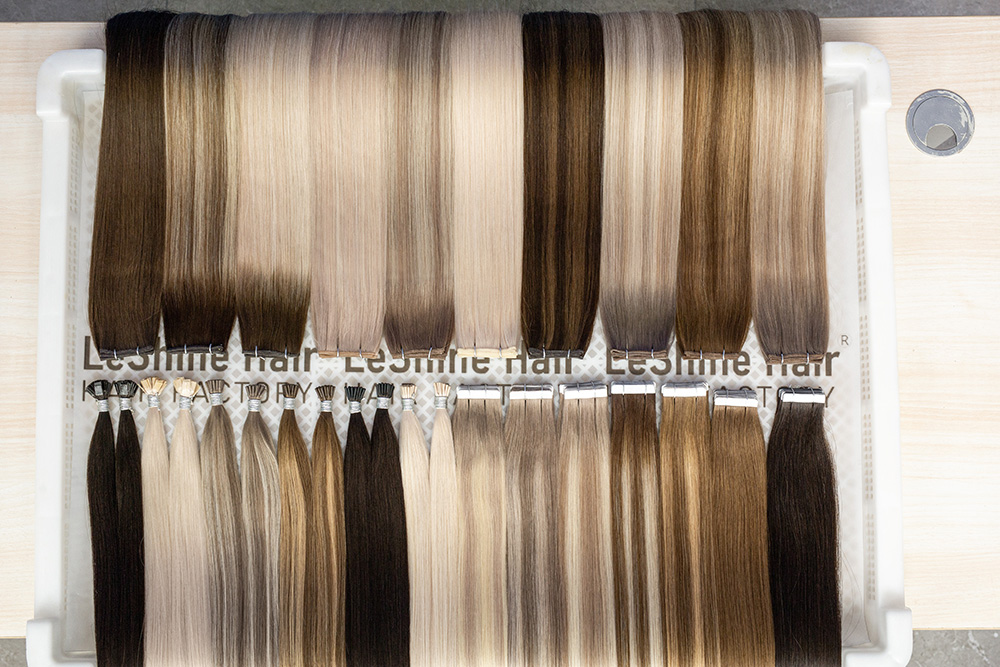
Shedding and tangling are common challenges faced by anyone wearing hair extensions human hair. Whether you've invested in seamless hair extensions or traditional weft-based styles, understanding how to prevent these issues directly impacts the longevity and appearance of your investment. The good news is that with proper care, maintenance routines, and correct application techniques, you can significantly reduce both shedding and tangling while keeping your extensions looking fresh and beautiful for months.
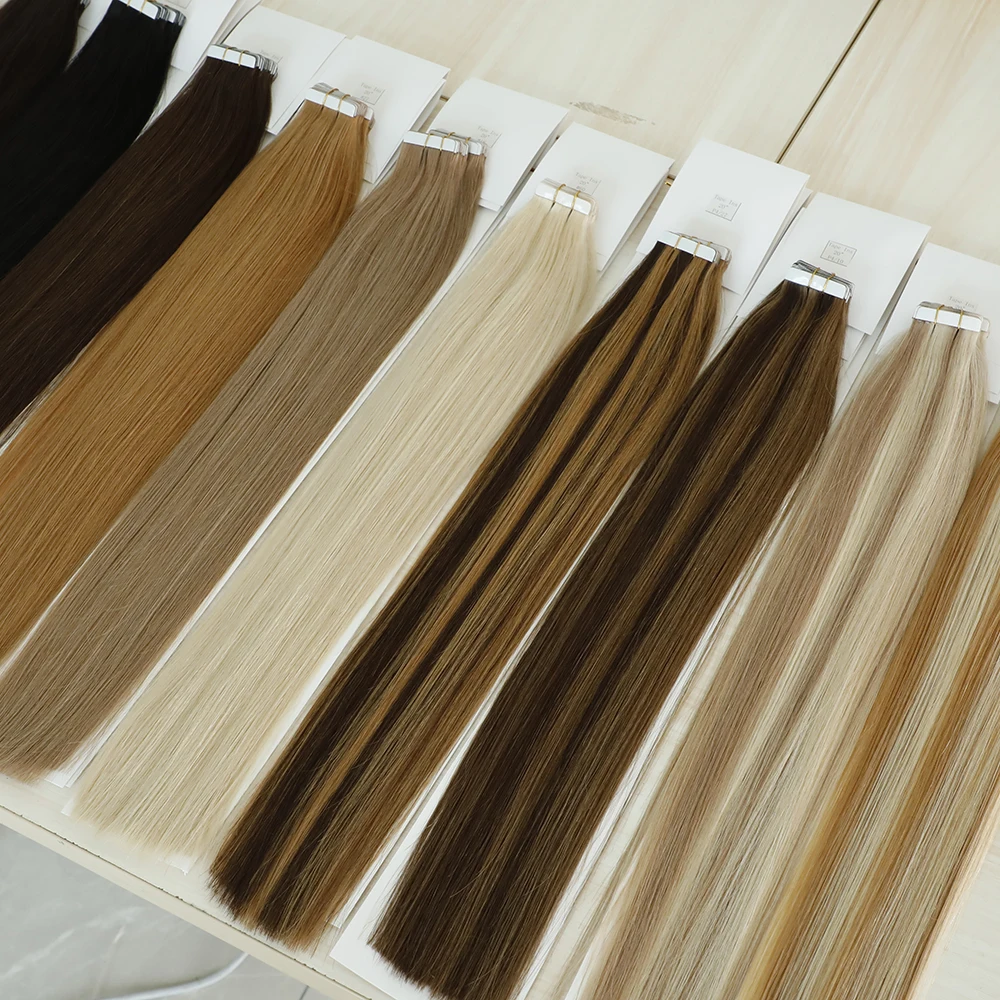
The foundation of preventing shedding begins with understanding why it occurs. Hair extensions shed naturally as old strands fall out during the collection and processing stages. However, excessive shedding often signals improper care, poor quality materials, or incorrect application methods. Similarly, tangling develops when hair loses moisture, becomes damaged, or isn't properly secured during wear. By addressing both root causes and daily habits, you can maintain the integrity of your hair extensions human hair and enjoy a polished appearance consistently.
Understanding Quality and Selection Factors
Choosing High-Quality Human Hair Wigs and Extensions
The first step in reducing shedding is selecting quality hair extensions from reputable sources. Premium human hair wigs and seamless hair extensions are typically made from virgin or Remy hair, which means the hair cuticles all face the same direction. This alignment dramatically reduces tangling because the cuticles don't catch on one another during wear or washing. Lower-quality extensions often mix hair cuticle directions, creating friction and accelerated tangling even with proper care.
When evaluating seamless hair extensions, examine the construction closely. Double-drawn extensions contain more hair at the ends, creating density throughout the length and minimizing the appearance of shedding. Single-drawn extensions may shed noticeably because the ends are thinner and more prone to breakage. Investing slightly more in quality human hair wigs ensures fewer complications with shedding and tangling over the extension lifecycle.
Matching Hair Texture and Weight
Selecting extensions that match your natural hair texture reduces stress on both your natural strands and the extensions themselves. Mismatched textures create tension points where extensions pull on natural hair, leading to increased shedding at the attachment site. If your natural hair is straight, opt for straight human hair wigs or extensions rather than wavy styles. Similarly, those with curly hair should choose extensions that match that texture profile.
Proper Hair Extension Application Methods
Mastering Correct Application Techniques
The method you choose for attaching extensions directly influences shedding and tangling rates. Hair extension application methods vary widely, from tape-in systems to clip-on options, and each requires specific expertise to minimize damage. Tape-in extensions, when applied correctly by experienced professionals, provide secure attachment without excessive tension on natural hair. Incorrect application creates pressure points where hair breaks and sheds prematurely. Clip-in styles, while temporary, can cause tangling if clips aren't positioned properly on each section of hair.
Professional application is crucial for longevity and health of both your natural hair and extensions. Technicians trained in proper hair extension application methods understand weight distribution, optimal placement zones, and tension management. They avoid over-tightening, which causes traction alopecia and accelerated shedding of natural hair around attachment points. When applying seamless hair extensions, professionals ensure each weft or unit is secured with appropriate spacing to prevent bunching, which leads to tangling and matting. If you're applying extensions yourself, invest time in learning the correct technique specific to your extension type to avoid costly mistakes.
Sectioning and Spacing Best Practices
Proper sectioning prevents uneven tension and reduces tangling significantly. Hair should be divided into manageable sections that allow extensions to sit flat against the scalp without overlapping or bunching. When sections overlap, hair becomes compressed, moisture can't reach the midlengths and ends, and tangling accelerates dramatically. Spacing extensions too close together increases the density at attachment points, causing pain, discomfort, and accelerated shedding of natural hair around those zones. Following guidelines for your specific hair extension application method ensures optimal results and minimizes complications.
Daily Care and Maintenance Routines
Washing and Conditioning Protocols
Washing human hair extensions human hair requires different techniques than caring for natural hair alone. Use sulfate-free shampoo and lukewarm water to prevent the outer cuticle layer from lifting, which causes tangling. Harsh shampoos strip natural oils that protect hair and maintain softness, making extensions more prone to breaking and shedding. When shampooing, apply product to the roots and upper sections only, avoiding vigorous scrubbing near wefts or attachment points. Always use quality conditioner on midlengths and ends, as hydration is essential for preventing tangling and maintaining the smooth cuticle surface.
For human hair wigs specifically, soak them in a conditioning rinse after shampooing to restore moisture and shine. Avoid hot water as extreme temperatures damage the hair structure, cause frizz, and accelerate deterioration. After washing, gently squeeze out excess water without wringing or twisting the extensions. Pat dry with a microfiber towel rather than rough cotton materials that catch and tangle hair fibers. Never brush extensions while wet, as this causes breakage and shedding. Allow hair to air-dry partially before using any heat styling tools, and always apply heat protectant products to seamless hair extensions first.
Daily Brushing and Detangling Techniques
Gentle daily brushing prevents minor tangles from developing into major matting that causes breakage and excessive shedding. Start from the bottom tips of your hair extensions and work upward slowly, using a wide-tooth comb or soft paddle brush designed for extensions. Never pull the brush through tangled sections aggressively, as this tears hair fibers and creates weakness in the structure. For human hair wigs, detangle before bed to prevent overnight matting. Use leave-in conditioners or hair serums designed for extensions to reduce friction while brushing and add slip to the hair surface. Braiding extensions loosely before sleep further prevents tangling and maintains the extension condition throughout the wear cycle.
Specialized Care for Seamless Hair Extensions
Moisture and Hydration Management
Tangling intensifies when human hair wigs and seamless hair extensions become dehydrated. Without adequate moisture, the cuticle surface becomes rough and dull, causing friction and knotting. Apply hair masks or deep-conditioning treatments weekly to maintain hydration and elasticity in your extensions. Hydrated hair is more resilient, resists breaking during styling, and sheds less frequently. Leave-in conditioners create a protective barrier that reduces friction between extension strands and environmental stressors like heat and humidity. For optimal results with seamless hair extensions, use hydrating products specifically formulated for human hair rather than synthetic alternatives.
Minimizing Environmental and Styling Stress
Environmental factors like chlorine, saltwater, and pollution contribute to tangling and shedding in hair extension application methods and styles. Wet your extensions with fresh water and apply protective serum before swimming to prevent chlorine absorption. UV exposure fades color and weakens the hair structure, so wear hats in intense sunlight or use UV-protective sprays. Limit heat styling frequency and always use heat protectant products before blow-drying or using curling tools on human hair extensions. Sleeping on silk pillowcases rather than cotton reduces friction and prevents tangling overnight. These simple adjustments significantly extend the lifespan of your seamless hair extensions and maintain their aesthetic appeal.
FAQ
Why do my human hair wigs shed more than expected?
Excessive shedding typically results from low-quality hair, improper washing techniques, or lack of conditioning. If extensions are tangled and brushed too aggressively, this causes breakage that appears as shedding. Ensure you're using sulfate-free products, applying conditioner generously, and detangling gently from ends to roots. Shedding 5-10 hairs daily is normal during initial wear as loose fibers fall out, but more than that suggests care issues or poor-quality materials. Consider consulting a professional stylist who specializes in hair extensions human hair to assess whether your current routine needs adjustment.
How often should I wash seamless hair extensions?
Wash seamless hair extensions every 7-10 days depending on how often you wear them and your styling habits. Overwashing strips natural oils and causes tangling and dryness, while infrequent washing allows product buildup and scalp oils to accumulate. Between washes, use dry shampoo or texture sprays designed for extensions to refresh the appearance without water or harsh chemicals. If you swim or exercise frequently, rinse with fresh water immediately afterward and follow with hydrating products. This balanced washing schedule maintains moisture, prevents buildup, and minimizes tangling while extending the lifespan of your hair extension investment.
Can I prevent tangling completely with proper care?
Complete prevention of tangling is unrealistic, but you can minimize it dramatically through proper hair extension application methods, quality selection, and daily maintenance. Using Remy human hair wigs, applying heat protectant products, sleeping on silk pillowcases, and using hydrating treatments reduce tangling significantly. Regular gentle brushing prevents tangles from forming into problematic mats. If tangles do develop, address them immediately with leave-in conditioner and careful detangling rather than allowing them to worsen. Combining quality materials with consistent care routines creates conditions where your seamless hair extensions remain tangle-free for the majority of their wear cycle.