 EN
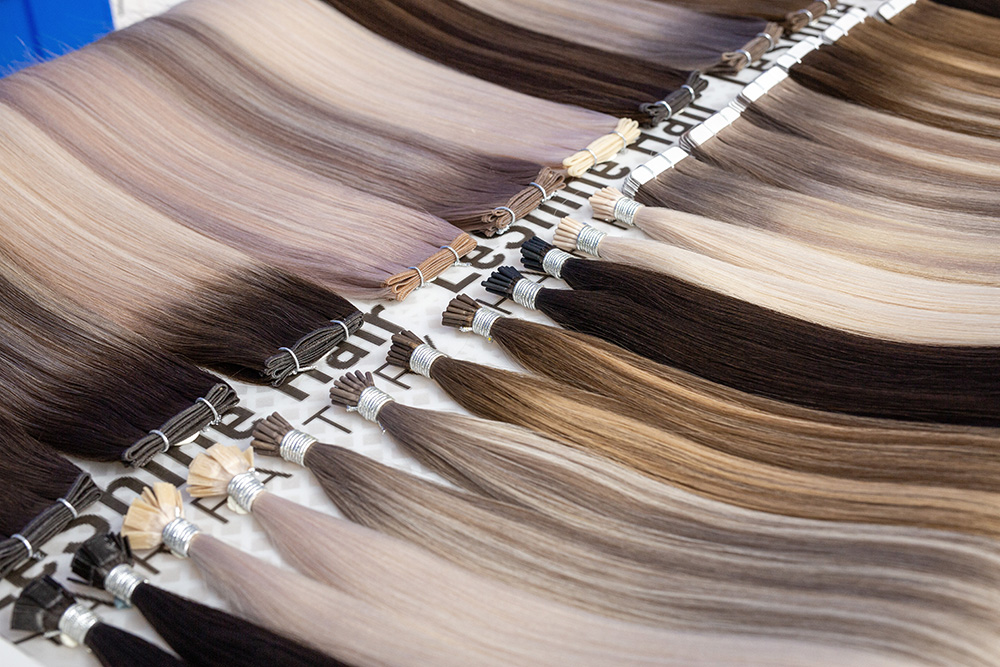
Selecting the right hair extensions human hair requires understanding how color, texture, and application methods work together to create a natural, lasting result. Whether you are a first-time user or experienced with extensions, the process of choosing the perfect match involves several key decisions that directly impact the final appearance and longevity of your investment. Color matching is not simply about selecting a shade from a chart; it requires consideration of your natural hair tone, undertones, and how light reflects on different textures. Texture selection involves understanding your styling preferences, lifestyle demands, and the specific application method you plan to use.

The foundation of choosing quality hair lies in understanding the difference between virgin hair, remy hair, and processed options available in the market today. Virgin hair has never been chemically treated, offering maximum durability and color-taking ability for future customization. Remy hair maintains the cuticle direction in one uniform flow, which reduces tangling and extends the lifespan of your seamless hair extensions. Understanding these differences helps you make an informed decision about which type of human hair wigs or extensions will best serve your specific needs and budget constraints.
Color Selection and Matching Strategies
Identifying Your Undertone and Natural Base Color
Your natural hair color contains undertones that must be matched when selecting new hair extensions human hair for seamless integration. Warm undertones appear golden, copper, or red-based, while cool undertones lean toward ash, platinum, or violet hues. Begin by examining your hair in natural daylight and comparing it against color swatches of seamless hair extensions in similar lighting conditions. Many professionals recommend taking a strand of your own hair to a reputable supplier to ensure the closest possible match before committing to a full purchase.
Navigating Color Ranges and Blending Options
Color ranges in human hair wigs and extensions typically span from level 1 (deepest black) through level 10 (lightest blonde), with variations in undertone within each level. If your natural color falls between two levels, blending two shades of extensions creates a more dimensional and natural appearance than selecting a single uniform shade. Seamless hair extensions work best when they blend seamlessly with your existing hair, so purchasing slightly more material than needed allows for strategic placement and layering that enhances overall dimension and movement.
Texture Evaluation and Suitability
Understanding Texture Types and Your Lifestyle
Hair extension textures range from bone-straight to body wave, loose wave, deep wave, and kinky curly, each with distinct styling requirements and maintenance demands. Your daily lifestyle and styling preferences should guide texture selection, as high-maintenance textures like tight curls demand regular conditioning and specific drying techniques. If you frequently style hair in updos or change your look, straighter textures provide more versatility, while textured options like waves and curls offer built-in dimension and require less daily manipulation. Consider how much time you are willing to dedicate to styling and maintenance when evaluating which texture of human hair extensions would be most practical for your routine.
Texture Longevity and Product Compatibility
The longevity of textured hair extensions depends heavily on proper product selection and care protocols specific to each texture type. Straight hair generally lasts longer with minimal maintenance, while curly and wavy textures require specialized conditioning treatments to maintain their pattern and prevent frizz. Using regular products designed for processed hair instead of products formulated for virgin or remy hair can accelerate texture degradation and reduce the lifespan of your investment significantly. Seamless hair extensions maintain their appearance longer when paired with the correct hair extension application methods and complementary product lines.
Hair Extension Application Methods and Compatibility
Matching Texture to Application Technique
Different hair extension application methods require specific texture characteristics to perform optimally and maintain proper security throughout the wear period. Tape-in extensions work best with medium-weight, smooth textures that distribute tension evenly across adhesive bonds without creating stress points. Sew-in wefted extensions accommodate a wider range of textures because the stitching distributes weight more broadly than tape adhesives allow. Clip-in extensions require lightweight textures that do not add excessive weight to your natural hair, while fusion and bonded methods work with nearly all texture types but demand professional application expertise.
Selecting Seamless Hair Extensions for Your Method
Seamless hair extensions are engineered with machine-wefted or hand-wefted construction that creates a smooth, flat attachment point compatible with professional application methods. If you are planning to use human hair wigs or extensions with a specific application technique, confirm that the weft construction matches your chosen method before purchasing. Hand-tied wefts offer more flexibility and a lighter appearance at the roots, while machine-wefted seamless hair extensions provide consistent thickness and durability for high-wear applications. The hair extension application methods you choose directly influence color and texture options available, so understanding this relationship helps you make compatible decisions across all three selection criteria.
Practical Assessment and Final Selection
Testing and Consultation Strategies
Before finalizing your purchase of human hair extensions, request sample strands in both your target color and texture to assess appearance under your typical lighting conditions. Many suppliers provide sample packs allowing you to test how the hair behaves, styles, and maintains throughout a week of wear. Consulting with a professional stylist familiar with hair extension application methods ensures you receive guidance on realistic outcomes and appropriate care routines specific to your chosen product and installation technique. Taking time for proper assessment prevents expensive mistakes and increases satisfaction with your final results.
Maintenance Planning Before Purchase
Understanding maintenance requirements before selecting your human hair wigs or extensions ensures your choice aligns with your actual lifestyle and commitment level. Straight extensions require basic conditioning and occasional heat styling, while textured seamless hair extensions demand specialized products, deep conditioning treatments, and careful handling during drying and styling. Budget for appropriate shampoos, conditioners, leave-in treatments, and styling tools compatible with your chosen texture and application method. This preparation prevents damage to your investment and ensures your extensions maintain their appearance throughout their intended lifespan.
FAQ
How do I match color perfectly when selecting hair extensions human hair?
Match color by identifying your undertone in natural daylight and comparing multiple shades of hair extensions against your own hair under similar lighting. Request sample strands from suppliers to test appearance in your home and work environments. Taking a strand of your natural hair to a reputable seller ensures the closest possible color match and reduces the risk of purchasing mismatched products.
What texture of seamless hair extensions works best for busy lifestyles?
Straight textures require the least maintenance and styling time, making them ideal for busy professionals. Straight hair tolerates air-drying and minimal heat styling while maintaining a polished appearance. If you prefer texture, body waves offer dimension while remaining relatively low-maintenance compared to tight curls or kinky textures that demand specialized products and careful handling.
How do hair extension application methods influence my color and texture choices?
Application methods determine weight distribution and tension points, which affects which textures perform optimally; tape-in extensions work best with smooth, medium textures, while sew-in methods accommodate broader texture ranges. Seamless hair extensions with appropriate weft construction ensure compatibility with your chosen application technique, and professional stylists can guide you toward texture and color combinations that work best with your specific installation method.