 EN
EN
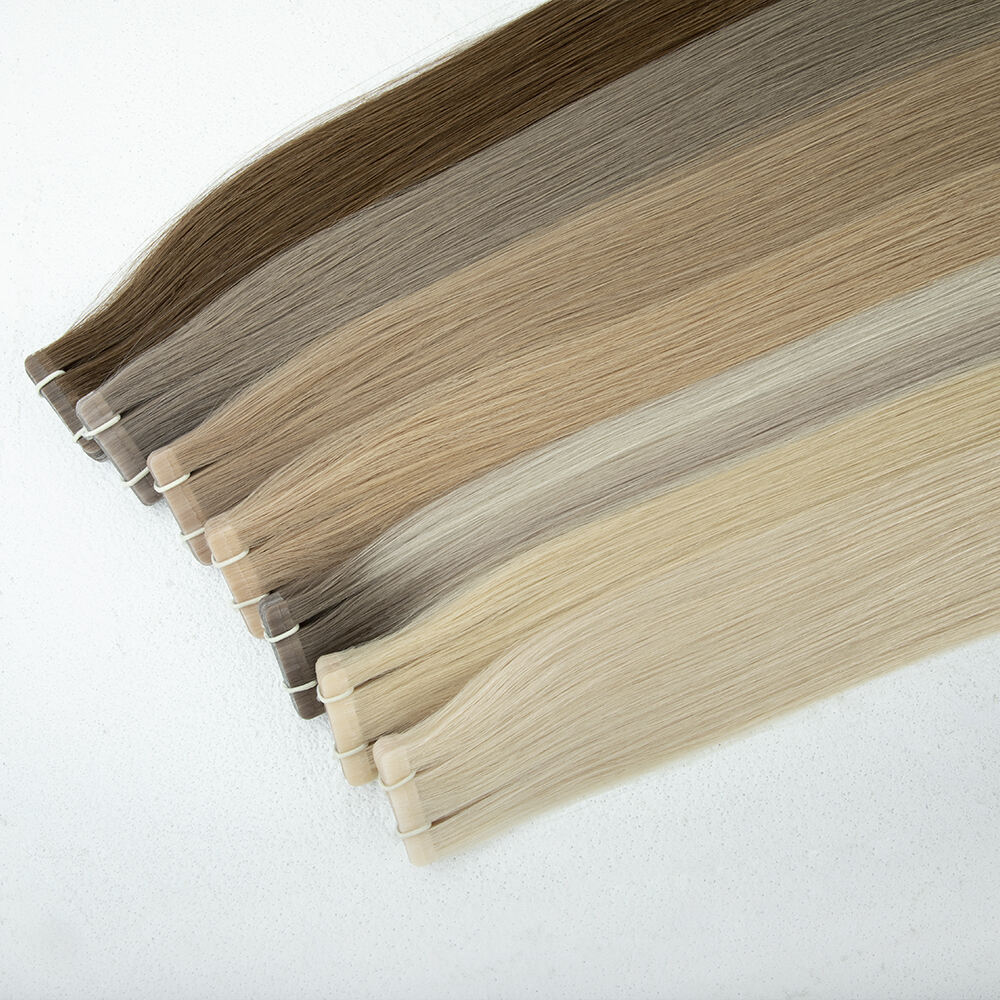
Tape hair extensions are one of the most popular semi-permanent hair extension methods available today, and for good reason. They lie flat against the scalp, blend seamlessly with natural hair, and deliver a full, voluminous look that feels completely natural. However, like any investment in your appearance, they require consistent and informed care to maintain their quality, shine, and longevity. Without the right maintenance routine, even the highest-quality tape hair extensions can become dull, tangled, or damaged far sooner than they should.
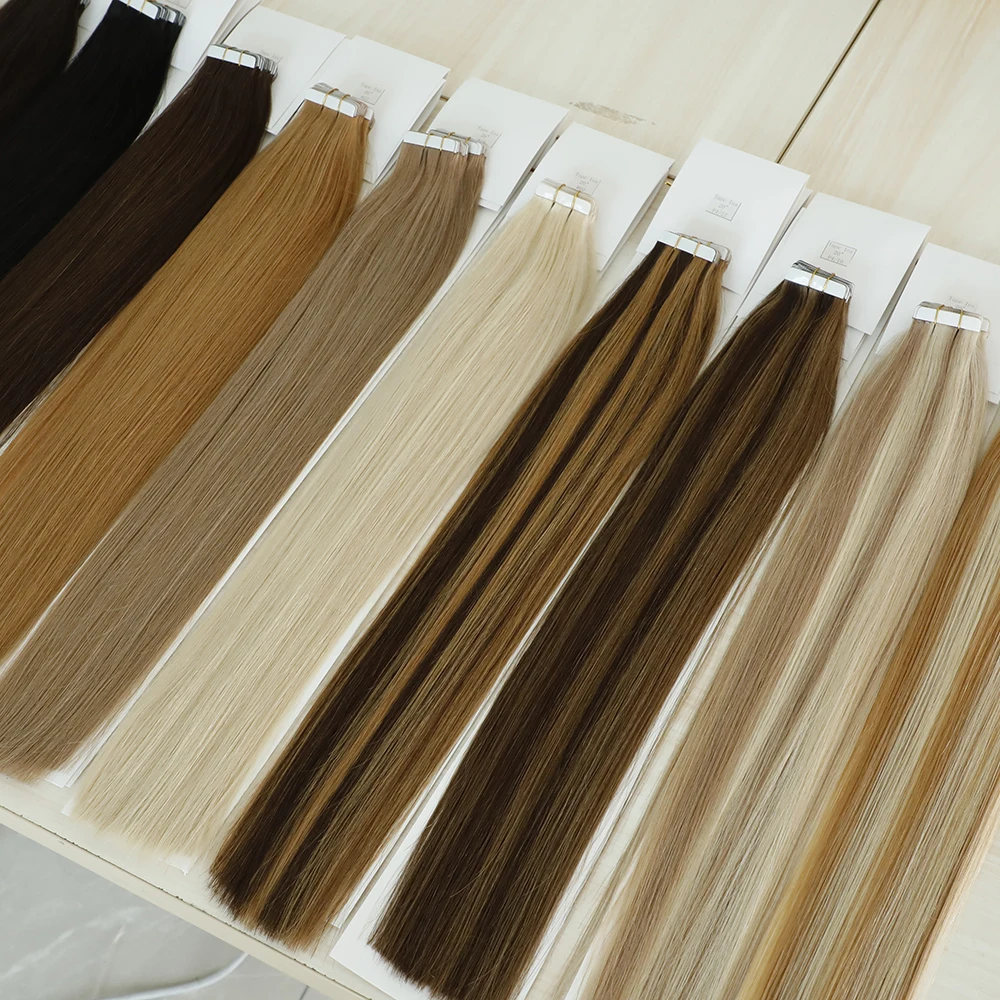
Understanding how to properly care for your tape hair extensions is the difference between extensions that last six to eight weeks and those that stay beautiful for three to four months or longer. This guide walks you through every essential maintenance step — from washing and conditioning to heat styling and nightly care — so your extensions retain their luster, softness, and bond strength from the first day of wear to the last.
Understanding the Structure of Tape Hair Extensions
How the Tape Bond Works
Tape hair extensions use a medical-grade adhesive weft that sandwiches a thin section of your natural hair between two extension panels. This bond is strong enough to hold through daily activity, but it is also sensitive to certain products and habits. The adhesive is designed to grip clean, product-free hair, which is why the condition of your natural hair at the root plays a direct role in how long the bond holds.
When oils, silicones, or heavy conditioners reach the tape bond, they begin to break down the adhesive. This causes slippage, which not only shortens the lifespan of your tape hair extensions but can also lead to uneven wear and visible weft lines. Understanding this mechanism helps explain why so many of the maintenance rules for tape hair extensions are specifically designed to protect the bond area.
The hair fiber itself, particularly when sourced from Remy human hair, behaves much like your own hair. It can be washed, dried, colored, and heat-styled within reason. But because the weft is attached to your scalp, any damage to the fiber also affects how the bond sits and how the extension moves with your natural hair.
Why Hair Quality Affects Maintenance Needs
Not all tape hair extensions are created equal, and the quality of the hair directly influences how much maintenance effort is required. Double-drawn Remy tape hair extensions, for example, are made from hair where the cuticles are aligned in the same direction. This alignment prevents tangling and matting, which are two of the most common complaints among extension wearers who use lower-quality products.
When cuticles are aligned, the hair reflects light more evenly, which is what gives high-quality tape hair extensions their characteristic shine. Maintaining that shine is largely about preserving the cuticle layer through gentle handling, appropriate product choices, and avoiding excessive heat or chemical exposure. The better the starting quality of your tape hair extensions, the more forgiving they are — but they still require proper care to stay at their best.
The Right Way to Wash Tape Hair Extensions
Choosing the Correct Products
Product selection is one of the most critical factors in maintaining tape hair extensions. You should always use sulfate-free shampoos and conditioners, as sulfates are harsh detergents that strip moisture from the hair fiber and can weaken the adhesive bond over time. Look for formulas that are also free of heavy silicones, parabens, and alcohol, all of which can either coat the hair in a way that dulls its shine or degrade the tape bond.
Moisturizing shampoos designed for color-treated or chemically processed hair are generally a safe choice for tape hair extensions. They are formulated to be gentle while still effectively cleansing the scalp and hair. Avoid applying conditioner directly to the roots or the tape bond area. Instead, apply conditioner from the mid-lengths to the ends, where the hair fiber needs the most hydration.
Deep conditioning treatments can be used on tape hair extensions, but they should be applied carefully. Keep the treatment away from the bond area and rinse thoroughly to ensure no residue is left near the tape. Residue buildup near the bond is one of the leading causes of premature slippage in tape hair extensions.
Washing Technique and Frequency
When washing tape hair extensions, always work in a downward motion from root to tip. Avoid scrubbing or piling the hair on top of your head, as this creates friction that leads to tangling and can stress the bond. Use lukewarm water rather than hot water, since high temperatures can soften the adhesive and cause the tape to loosen prematurely.
Most extension wearers find that washing every two to three days strikes the right balance between scalp hygiene and bond preservation. Washing too frequently strips the hair of its natural oils and puts repeated stress on the tape bond. Washing too infrequently allows product buildup and scalp oils to accumulate near the bond, which also weakens adhesion over time.
After washing, gently squeeze excess water from the hair rather than wringing or twisting it. Pat the hair dry with a soft microfiber towel, working from the ends upward. Allowing tape hair extensions to air dry partially before using a blow dryer reduces heat exposure and helps preserve the hair's natural moisture balance.
Heat Styling and Tape Hair Extensions
Safe Temperature Ranges
One of the advantages of high-quality Remy tape hair extensions is that they can be heat-styled just like natural hair. However, heat management is essential to preserving their shine and preventing fiber damage. As a general rule, keep heat styling tools below 180 degrees Celsius or 356 degrees Fahrenheit. Exceeding this threshold repeatedly will cause the hair cuticle to lift and eventually break down, leading to dryness, frizz, and a loss of the smooth, reflective surface that gives tape hair extensions their shine.
Always apply a heat protectant spray before using any hot tool on your tape hair extensions. This creates a barrier between the heat source and the hair fiber, reducing moisture loss and cuticle damage. Choose a lightweight heat protectant that does not leave a heavy residue, as buildup near the bond area can compromise adhesion.
Styling Practices That Protect the Bond
When using a flat iron or curling wand on tape hair extensions, avoid clamping or wrapping the tool directly over the tape bond. Keep the tool at least one to two centimeters below the bond to prevent the adhesive from being exposed to direct heat. Repeated direct heat on the bond will cause it to soften, shift, or release entirely, shortening the lifespan of your tape hair extensions significantly.
Blow drying is generally safer than flat ironing for tape hair extensions because the heat is more diffuse. Use a medium heat setting and keep the dryer moving rather than holding it in one spot. A round brush can be used to smooth the hair and add volume, but avoid pulling tension on the roots where the tape bond sits.
Limit the use of high-heat tools to two or three times per week if possible. On non-styling days, embrace air drying and low-manipulation styles that allow the hair to rest. This approach significantly extends the life and shine of your tape hair extensions between salon visits.
Daily Habits That Preserve Shine and Prevent Damage
Brushing and Detangling Correctly
Brushing is one of the most frequent interactions you have with your tape hair extensions, and doing it incorrectly is one of the fastest ways to cause damage. Always use a soft-bristle brush or a loop brush specifically designed for extensions. These tools glide through the hair without snagging on the bond or pulling the weft away from the scalp.
Start brushing from the ends and work your way upward in sections, holding the hair above the bond with your other hand to reduce tension on the attachment point. Never brush tape hair extensions when they are wet, as wet hair is more elastic and prone to breakage. Wait until the hair is at least partially dry before detangling.
Brush your tape hair extensions at least twice a day — once in the morning and once before bed. This prevents small tangles from developing into larger knots that require aggressive detangling, which can stress both the hair fiber and the bond. Consistent, gentle brushing is one of the simplest and most effective ways to maintain the smooth, shiny appearance of tape hair extensions.
Nighttime Care Routines
How you sleep with tape hair extensions has a significant impact on their condition. Friction from cotton pillowcases causes the hair to tangle and the cuticle to roughen over time, which dulls the shine and leads to frizz. Switching to a silk or satin pillowcase dramatically reduces this friction and helps your tape hair extensions stay smooth and glossy overnight.
Before sleeping, loosely braid your tape hair extensions or tie them in a low ponytail to prevent tangling during the night. Avoid tight hairstyles that put tension on the bond while you sleep, as prolonged tension can weaken the adhesive and cause discomfort. A loose braid or a soft scrunchie is all you need to keep the hair organized without stressing the attachment points.
If you exercise regularly or sweat heavily at night, consider using a dry shampoo at the roots between washes. Dry shampoo absorbs excess oil and sweat near the bond area, helping to maintain adhesion and keep the scalp feeling fresh without the need for frequent washing. This is a practical habit that many regular wearers of tape hair extensions rely on to extend the time between wash days.
Professional Maintenance and Reinstallation
When to Schedule a Salon Visit
Even with perfect at-home care, tape hair extensions require professional maintenance every six to eight weeks. As your natural hair grows, the bond moves further from the scalp, which changes the way the extension sits and can create visible gaps or uneven weight distribution. A professional reinstallation repositions the tape bond closer to the root, restoring the seamless look and ensuring the extension continues to move naturally with your hair.
During a maintenance appointment, a stylist will also assess the condition of the tape bonds and the hair fiber. Bonds that have weakened, shifted, or accumulated buildup will be replaced with fresh tape. This is also an opportunity to check the health of your natural hair underneath the extensions and address any concerns before they become more serious issues.
Extending the Life of Your Extensions Between Visits
With proper care, the hair fiber of high-quality tape hair extensions can be reused through multiple reinstallation cycles. After removal, the old tape is carefully dissolved and replaced with fresh adhesive tabs, and the weft is reapplied. This makes investing in quality tape hair extensions a cost-effective choice over time, as the hair itself remains in good condition long after the initial bond has been replaced.
To maximize the reusability of your tape hair extensions, avoid chemical treatments such as bleaching or heavy toning directly on the extension fiber. If color adjustment is needed, consult a professional who has experience working with extension hair. Maintaining the integrity of the fiber between reinstallations is what allows you to get the most value and longevity from your tape hair extensions.
FAQ
How often should I wash my tape hair extensions?
Most stylists recommend washing tape hair extensions every two to three days. Washing too frequently can weaken the adhesive bond and strip moisture from the hair fiber, while washing too infrequently allows oil and product buildup to accumulate near the tape, which also compromises bond strength. Finding the right frequency for your scalp type and lifestyle is key to maintaining both the bond and the shine of your tape hair extensions.
Can I swim with tape hair extensions?
Swimming is possible with tape hair extensions, but precautions are necessary. Chlorine and saltwater can both dry out the hair fiber and weaken the adhesive bond. Before swimming, apply a leave-in conditioner or hair oil to the lengths of your tape hair extensions to create a protective barrier. After swimming, rinse the hair thoroughly with fresh water and follow your normal washing routine as soon as possible to remove any chemical or salt residue.
Why are my tape hair extensions losing their shine?
Loss of shine in tape hair extensions is usually caused by product buildup, heat damage, or cuticle roughening from friction or aggressive brushing. Using sulfate-free, residue-free products, limiting heat tool use, and brushing gently with the right tool will help restore and maintain shine. A lightweight argan oil or extension-safe serum applied to the mid-lengths and ends can also help smooth the cuticle and restore reflectivity to dull tape hair extensions.
How long do tape hair extensions typically last?
With proper maintenance, tape hair extensions typically last six to eight weeks before requiring a professional reinstallation. The hair fiber itself, if it is high-quality Remy hair, can often be reused through two to four reinstallation cycles, making the overall lifespan of the extensions much longer than a single application period. Consistent at-home care and timely salon visits are the two most important factors in maximizing how long your tape hair extensions remain in excellent condition.