 EN
EN
Selecting the right weft hair extensions human hair requires understanding multiple quality indicators, installation compatibility, and long-term durability factors. The decision goes beyond price alone; it involves evaluating hair origin, construction method, density, color consistency, and how well the extensions will integrate with your natural hair texture. High-quality weft extensions deliver seamless blending, longevity, and minimal maintenance when chosen with care and applied correctly.
Understanding the differences between construction types, fiber quality, and application methods empowers you to make confident purchasing decisions. Whether you're a salon professional stocking inventory or an individual seeking extensions for personal use, knowing what separates premium weft extensions from lower-grade alternatives ensures you invest wisely. This guide walks through the essential criteria that define quality and help you evaluate options before purchasing.
Understanding Weft Construction and Quality Standards
Hand-Tied Weft Hair Extensions Versus Machine-Made Options
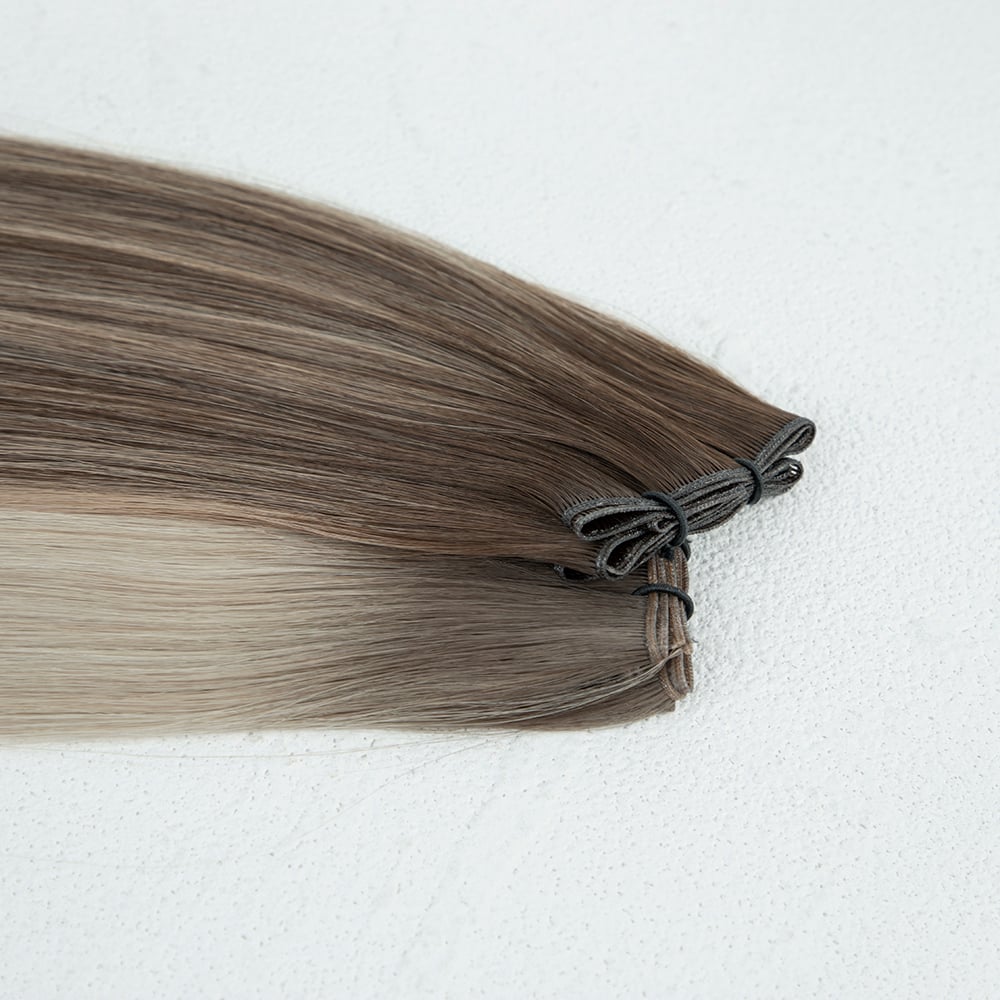
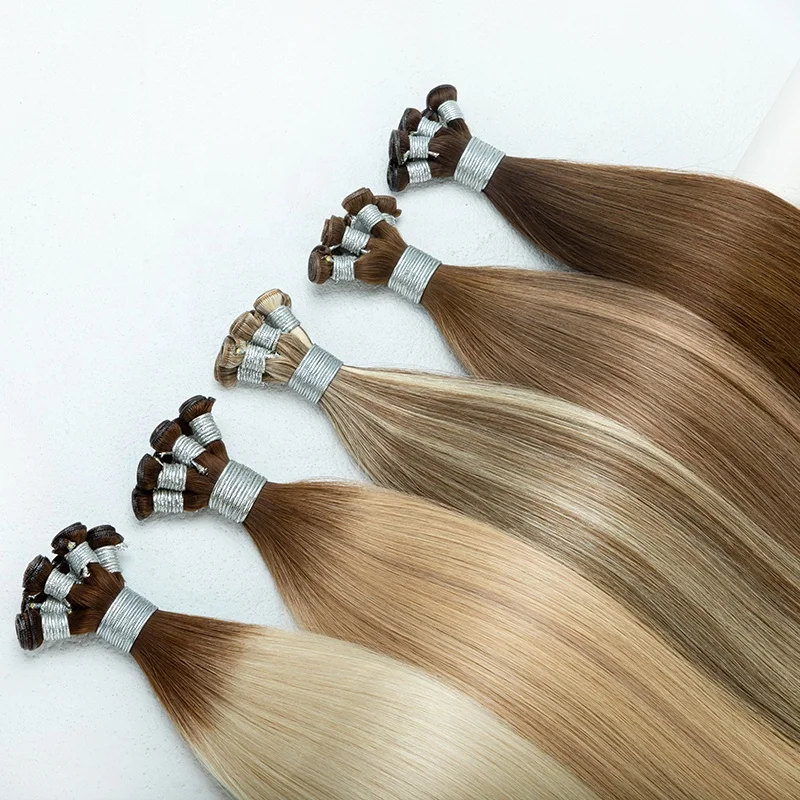
Hand-tied weft hair extensions represent the premium tier of construction, where individual hair strands are knotted by hand onto a thin thread base. This meticulous process requires skilled labor but produces a more flexible, natural-looking weft that distributes weight evenly across the application area. Machine-made wefts, by contrast, use automated processes that create tighter, more rigid bases, which can feel heavier and sometimes restrict hair movement. Quality hand-tied weft hair extensions allow stylists greater customization during sew-in weft hair installation and result in better blend-ability with natural hair growth patterns.
The weft base thickness also matters significantly for comfort and longevity. Thinner bases are less visible when installed close to the scalp, while thicker bases offer more durability under tension. Premium hand-tied weft hair extensions use ultra-thin bases that remain comfortable throughout the wearing period, typically lasting twelve to sixteen weeks before requiring repositioning. Examining the weft base closely before purchase helps identify whether construction prioritizes comfort and longevity or simply costs down at the expense of quality.
Density and Hair Count Per Weft
Hair density directly affects how full and natural the extensions appear once installed. Quality weft hair extensions human hair products provide consistent hair density throughout each weft, meaning no thin or sparse sections. Standard density typically ranges from ninety to one hundred fifty grams per one-hundred-fifty-millimeters of weft length, though premium options may exceed this. Examine product specifications and request density information from suppliers; inconsistent density signals potential quality issues or mixing of hair batches with different characteristics.
Higher density isn't always better if it creates an unnatural appearance or causes excessive weight on the scalp during sew-in weft hair installation. The ideal density depends on your natural hair density, desired volume, and application method. Professionals often recommend matching weft density to natural hair characteristics for seamless integration and comfortable wear.
Hair Fiber Quality and Processing Standards
Evaluating Hair Origin and Processing Methods
True human hair weft extensions come from ethical, documented sources, typically from donors in regions with strong hair-collection practices. Quality hair undergoes minimal processing to retain protein structures, cuticle alignment, and natural shine. The best human hair weft application methods work with properly processed fiber that maintains elasticity, resists breakage, and holds styling products effectively. Hair subjected to excessive chemical processing becomes brittle, prone to tangling, and unable to withstand the tension created during application or daily wear.
Cuticle-intact hair represents the highest quality standard; all cuticles face the same direction, which reduces tangling and matting. During human hair weft application methods, cuticle-intact fiber blends seamlessly with natural hair and maintains its appearance longer. Ask suppliers whether their hair is cuticle-intact, single-drawn, or double-drawn. Single-drawn hair contains mixed lengths that create fuller appearance but may shed initially. Double-drawn hair has similar lengths throughout, providing a more uniform, polished look and reducing initial shedding significantly.
Color Matching and Consistency
Premium weft hair extensions human hair products offer consistent color throughout each piece, with no unexpected lighter roots, brassiness, or color variation between wefts. Color consistency becomes critical when multiple wefts are installed together; even slight variations become noticeable. Quality suppliers dye hair in batches, testing color against standard swatches to ensure consistency. Request color samples before placing large orders, and verify that lighting conditions in sample presentations don't artificially enhance appearance. Uneven color typically indicates lower-grade hair or improper processing and predicts poor longevity and appearance after styling.
Installation Compatibility and Application Performance
Assessing Weft Thickness and Weight Distribution
During sew-in weft hair installation, the weft must pass through the needle without fraying, breaking, or creating uncomfortable bulk against the scalp. Thinner wefts accommodate this requirement more comfortably, especially when installing multiple rows. Quality hand-tied weft hair extensions use thread designed to hold securely without slipping when sewn, reducing the risk of premature shedding. Weight distribution matters equally; poorly balanced wefts create pressure points that cause discomfort and potentially damage natural hair underneath. Premium options distribute weight evenly across the entire weft length, reducing scalp tension and improving wearing comfort.
The flexibility of the weft base influences how naturally extensions lay and move with natural hair. Rigid wefts restrict movement and create visible separation lines; flexible wefts conform to the scalp contour and move with natural hair motion. Testing flexibility before purchase helps identify quality differences. Gently flex the weft; premium options bend smoothly without cracking or showing stress points in the base material.
Human Hair Weft Application Methods and Styling Versatility
Quality weft extensions must accommodate diverse styling needs, withstand heat styling, and maintain appearance through multiple wash cycles. Human hair weft application methods require hair that accepts color treatments, holds curls, and responds to straightening without excessive damage. Premium fiber resists frizz, maintains style definition longer, and doesn't develop an artificial appearance after styling. Test samples by blow-drying, flat-ironing, or curling them to observe how the hair responds. Quality fiber maintains texture integrity and shine; lower-grade fiber becomes dull, frizzy, or damaged after heat application.
Shedding patterns reveal processing quality; minimal shedding during initial washing indicates proper cuticle alignment and conditioning. Significant shedding within the first few weeks suggests inadequate processing or mixed-quality batches. Ask suppliers about typical shedding expectations and request batches from consistent processing runs rather than mixed batches combining different production dates.
FAQ
What makes hand-tied weft hair extensions superior to other construction types?
Hand-tied weft hair extensions offer superior flexibility, thinner bases, and more natural movement compared to machine-made alternatives. The individual hand-knotting process allows skilled workers to create ultra-thin wefts that remain invisible when installed close to the scalp. This construction method also distributes hair density more evenly, reducing bulky sections and enabling more comfortable wear throughout the extension cycle. Stylists prefer hand-tied construction for sew-in weft hair installation because the flexible base accommodates varied scalp contours and application techniques better than rigid alternatives.
How do I determine if human hair weft extensions are truly human hair versus synthetic blends?
Genuine human hair weft extensions respond identically to your natural hair when exposed to heat, moisture, and styling products. Perform the burn test by carefully burning a small sample fiber; true human hair burns with a smell similar to burning human hair, leaving ash that crumbles easily. Synthetic blends burn with a chemical smell and form hard, melted beads. Ask for documentation confirming hair origin and processing methods from reputable suppliers. Quality companies provide detailed specifications about whether hair is cuticle-intact, single-drawn, or double-drawn, along with processing certificates confirming human hair authenticity.
What shedding level is normal for new weft hair extensions human hair products?
Minimal shedding during the first wash indicates quality processing; you might notice a few strands but not handfuls. Significant shedding within the first two to three weeks suggests poor processing or inadequate conditioning. Premium weft extensions typically shed fewer than five percent of fibers during the initial washing period and stabilize afterward. If extensions continue shedding excessively after the first month, the quality or processing is likely substandard. Always ask suppliers about expected shedding rates and request return policies in case extensions perform below stated specifications.