 EN
EN
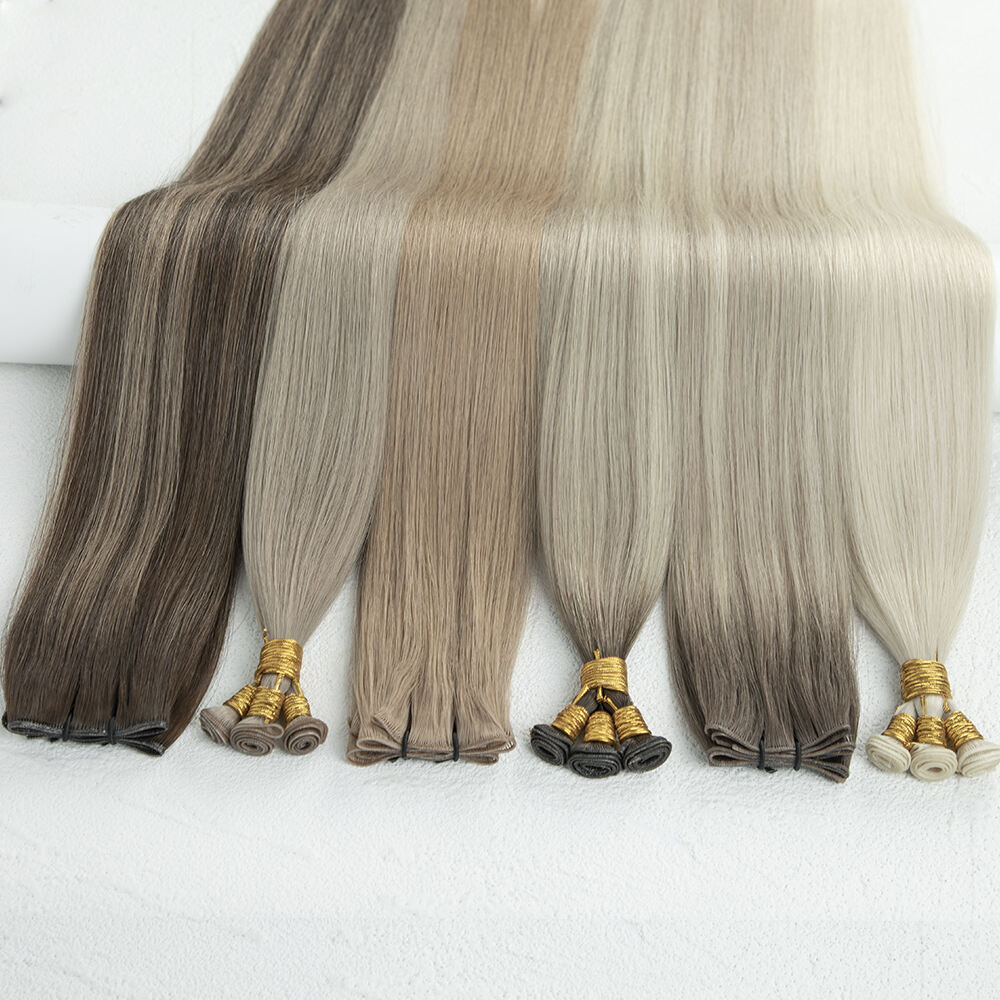
Tape hair extensions have revolutionized the beauty industry by offering a semi-permanent solution for achieving voluminous, lengthy hair without the commitment of traditional methods. These innovative extensions use medical-grade adhesive tape to seamlessly blend with your natural hair, creating a flawless appearance that can last for weeks. However, many individuals make critical errors when selecting, applying, or maintaining their tape hair extensions, leading to damage, premature removal, or unsatisfactory results. Understanding these common pitfalls is essential for anyone considering this popular hair enhancement method.
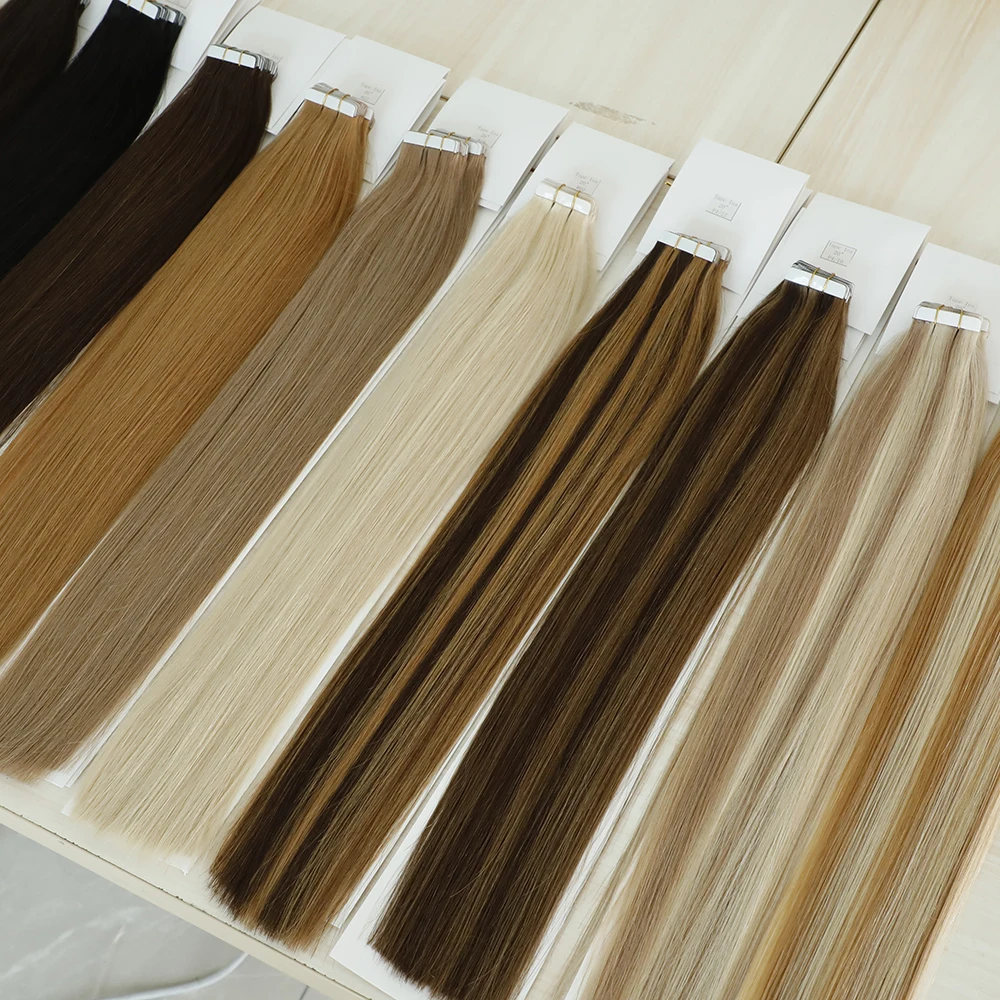
The popularity of tape hair extensions stems from their versatility, natural appearance, and relatively gentle application process compared to other extension methods. These extensions consist of human or synthetic hair attached to thin, clear tape strips that are strategically placed throughout your hair to add length, volume, or both. When properly applied and maintained, tape hair extensions can transform your appearance while allowing for natural movement and styling flexibility.
Understanding Tape Hair Extension Basics
What Makes Tape Extensions Different
Tape hair extensions distinguish themselves from other extension methods through their unique application process and construction. Unlike clip-in extensions that require daily removal or sew-in methods that involve braiding, tape hair extensions use a sandwich technique where natural hair is placed between two adhesive strips. This method distributes weight more evenly across the scalp, reducing stress on individual hair follicles and minimizing the risk of traction alopecia.
The adhesive used in quality tape hair extensions is specifically formulated to be strong enough to hold the extensions securely for 6-8 weeks while remaining gentle on natural hair. This medical-grade tape is designed to withstand regular washing, styling, and daily activities without losing its grip. The transparency of the tape ensures that the attachment points remain virtually invisible, even when hair is styled in updos or ponytails.
Quality Indicators in Tape Hair Extensions
Recognizing high-quality tape hair extensions is crucial for achieving optimal results and avoiding common mistakes. Premium extensions feature 100% human hair that has been ethically sourced and minimally processed to maintain its natural texture, shine, and longevity. The cuticles should be intact and aligned in the same direction to prevent tangling and matting, which are common issues with lower-grade extensions.
The tape itself should be thin, clear, and flexible, allowing for natural movement while maintaining strong adhesion. Quality manufacturers use polyurethane-based adhesives that are hypoallergenic and safe for extended wear. The hair should be double-drawn, meaning shorter hairs have been removed to ensure consistent thickness from root to tip, creating a more natural and voluminous appearance.
Pre-Application Preparation Mistakes
Inadequate Hair Assessment
One of the most significant mistakes people make with tape hair extensions is failing to properly assess their natural hair condition before application. Your hair should be healthy, clean, and free from excessive damage or chemical processing residue. Hair that is over-processed, severely damaged, or extremely fine may not be suitable for tape extensions, as the adhesive may not hold properly or could cause additional damage.
A thorough consultation with a professional stylist should include an evaluation of hair density, texture, porosity, and overall health. Clients with very oily scalps may experience reduced adhesion time, while those with extremely dry hair might need special preparation to ensure optimal bonding. Understanding these factors beforehand prevents disappointment and ensures realistic expectations for wear time and maintenance requirements.
Improper Color Matching
Color matching errors represent another common mistake that can compromise the natural appearance of tape hair extensions. Many people attempt to match their hair color using online photos or general descriptions, leading to noticeable differences in shade, tone, or undertone. Natural hair often contains multiple tones and highlights that aren't immediately apparent, making professional color matching essential for seamless blending.
The best approach involves bringing hair samples to a professional or using color matching tools in natural lighting conditions. Consider that tape hair extensions cannot be lightened after purchase, so it's better to choose a slightly lighter shade that can be toned to match perfectly. Professional colorists can also create custom blends using multiple shades to achieve the most natural-looking result.
Application Process Errors
Incorrect Sectioning Techniques
Proper sectioning is fundamental to achieving natural-looking results with tape hair extensions, yet many people rush through this critical step. Sections that are too thick can create visible bulk and uneven distribution, while sections that are too thin may not provide adequate support for the extension weight. Each section should contain approximately 10-20 strands of natural hair, depending on individual hair density and the width of the tape extensions being used.
The sectioning pattern should follow the natural growth patterns of your hair, typically creating horizontal partings that are slightly staggered to avoid creating obvious lines of demarcation. Professional stylists use specific techniques to ensure that tape hair extensions are placed in areas where they will be most effectively concealed while providing maximum volume and length enhancement.
Poor Adhesive Application
Adhesive application mistakes can significantly impact the longevity and appearance of tape hair extensions. Applying extensions to damp or oily hair reduces the adhesive's effectiveness, leading to premature slipping or complete failure. The natural hair must be completely clean and dry, free from styling products, natural oils, or residue that could interfere with bonding.
Temperature and pressure application are equally critical factors. Insufficient heat or pressure during application results in weak bonds that may fail within days, while excessive heat can damage both the natural hair and the extension hair. Professional application tools and techniques ensure consistent temperature and pressure for optimal adhesion throughout the wear period.
Maintenance and Care Oversights
Washing Technique Mistakes
Improper washing techniques can dramatically reduce the lifespan of tape hair extensions and lead to tangling, matting, or premature loosening. Many people continue their normal washing routine without considering the special requirements of tape-attached hair. The key is to wash hair gently, using downward motions and avoiding vigorous scrubbing around the tape attachment points.
Sulfate-free shampoos are essential for maintaining the adhesive bond and preventing the tape from breaking down prematurely. These gentler formulations clean effectively without stripping natural oils or compromising the extension attachment. Additionally, washing frequency should be reduced to 2-3 times per week maximum, as over-washing can weaken the adhesive and cause unnecessary stress on both natural and extension hair.
Heat Styling Precautions
Heat styling mistakes are among the most common issues affecting tape hair extensions longevity and appearance. Applying direct heat to the tape attachment points can cause the adhesive to melt or weaken, leading to extension slippage or complete failure. When using hot tools, it's crucial to maintain at least a one-inch distance from the tape area and use heat protectant products throughout the hair.
Temperature settings should be adjusted based on the hair type and quality of the extensions. Human hair tape hair extensions can generally tolerate moderate heat, but synthetic versions require much lower temperatures to prevent melting or damage. Always start with lower heat settings and gradually increase if necessary, monitoring the extensions for any signs of damage or adhesive compromise.
Removal and Reapplication Issues
DIY Removal Dangers
Attempting to remove tape hair extensions without professional assistance or proper removal products is a critical mistake that can result in significant hair damage. The strong adhesive bond requires specific solvents or removal solutions to break down safely without pulling or breaking natural hair. Many people try to remove extensions by simply pulling them out, which can cause severe hair breakage, scalp damage, or even patches of hair loss.
Professional removal involves using specialized products that dissolve the adhesive gradually while protecting the natural hair. This process typically takes 30-60 minutes and requires patience and proper technique. Rushing the removal process or using harsh chemicals like acetone can damage both the scalp and natural hair, potentially requiring months of recovery treatment.
Reapplication Timing Mistakes
Many clients make the mistake of waiting too long between removal and reapplication of tape hair extensions, or conversely, attempting to reuse extensions that have exceeded their optimal lifespan. Extensions should typically be removed and reapplied every 6-8 weeks, depending on hair growth rate and maintenance quality. Waiting longer than this recommended timeframe can result in excessive tangling, matting, or damage to natural hair.
Quality tape hair extensions can often be reused 2-3 times with proper care and professional reapplication using fresh adhesive tapes. However, attempting to reuse extensions beyond their optimal lifespan or those that have been damaged during wear can lead to poor results and potential hair damage. Professional assessment is essential to determine whether extensions are suitable for reuse or should be replaced entirely.
Product Selection and Quality Concerns
Budget Versus Quality Balance
One of the most significant mistakes in the tape hair extensions journey is prioritizing cost over quality when selecting products. While budget considerations are understandable, extremely low-priced options often use inferior hair quality, substandard adhesives, or unethical sourcing practices that can lead to disappointing results and potential health concerns. Investing in quality extensions from reputable manufacturers ensures better appearance, longer wear time, and safer ingredients.
Quality tape hair extensions may have a higher initial cost, but they typically offer better value through longer wear times, superior appearance, and the ability to be reused multiple times. When calculating the true cost of extensions, consider factors such as longevity, maintenance requirements, and the potential need for hair repair treatments if inferior products cause damage.
Source and Origin Verification
Failing to verify the source and origin of tape hair extensions can result in receiving products that don't meet quality standards or ethical guidelines. Reputable suppliers provide detailed information about hair sourcing, processing methods, and quality control measures. Hair that has been ethically sourced and minimally processed typically offers superior performance, appearance, and longevity compared to heavily processed or chemically treated alternatives.
Look for suppliers who provide certificates of authenticity, detailed product specifications, and transparent information about their sourcing practices. Reading reviews from other professionals and clients can provide valuable insights into product quality and supplier reliability. Establishing relationships with trusted suppliers ensures consistent quality and ongoing support throughout your tape hair extensions journey.
FAQ
How long should tape hair extensions last with proper care
With proper application, maintenance, and care, tape hair extensions typically last 6-8 weeks before requiring removal and reapplication. The actual lifespan depends on factors such as hair growth rate, maintenance routine, lifestyle, and the quality of both the extensions and the application process. High-quality human hair extensions with proper care can often be reused 2-3 times, extending their overall value and lifespan significantly.
Can I swim or exercise with tape hair extensions
Yes, you can swim and exercise with tape hair extensions, but certain precautions are necessary to maintain their integrity and appearance. Before swimming, apply a leave-in conditioner or protective serum to create a barrier against chlorine or salt water. After swimming or intense exercise, rinse your hair with fresh water and gently cleanse with sulfate-free shampoo. Avoid tight ponytails or braids that could stress the attachment points during physical activities.
What products should I avoid when using tape hair extensions
Avoid oil-based products, sulfate-containing shampoos, and alcohol-based styling products near the tape attachment areas, as these can break down the adhesive bond. Additionally, avoid products containing silicones that can build up and interfere with tape adhesion. Stick to extension-safe, sulfate-free shampoos and conditioners, and always apply conditioning products from mid-length to ends, avoiding the root area where tapes are attached.
How do I know if my tape hair extensions are failing or need replacement
Signs that your tape hair extensions may be failing include visible slipping from the attachment point, excessive tangling or matting, noticeable thinning of the extension hair, or adhesive residue buildup. If you can easily see the tape attachments or if extensions feel loose when gently tugged, it's time for professional removal and reapplication. Regular check-ups with your stylist can help identify issues early and prevent damage to your natural hair.