 EN
EN


High-quality human hair tape-in extensions are engineered for reliable reuse. Grade A Remy hair provides inherent strength and cuticle integrity across multiple installation cycles, while medical-grade adhesive delivers secure, non-damaging bonds that release cleanly—preserving both extension quality and natural hair health.
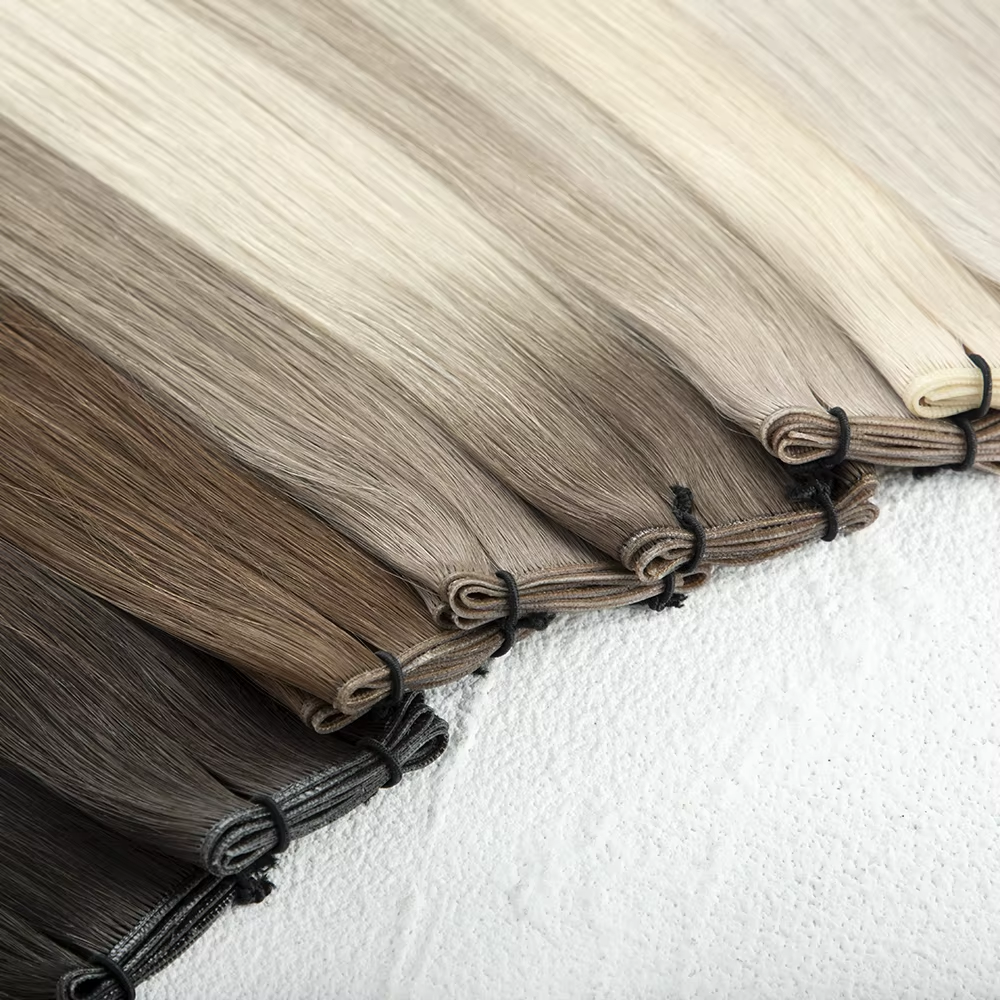
Grade A Remy hair retains aligned cuticles and natural oils, significantly reducing tangling and shedding during repeated installations. This structural preservation supports 2–3 safe refits when paired with expert care. Industry data from the Professional Stylists Association shows Grade A Remy extensions deliver a 30% longer functional lifespan than lower-grade alternatives—thanks to consistent cuticle integrity, which maintains styling flexibility and visual uniformity across cycles without degradation.
Medical-grade adhesives are formulated to balance strong bond retention with gentle removability—withstanding daily styling stress while releasing cleanly during removal. Rigorous testing ensures bond retention rates above 85% across refits (clinical grade hair adhesive standards). Consistent application technique further minimizes stress on natural hair, reinforcing the design intent: long-term reusability without compromise to scalp or strand health.
Safe reuse begins with professional removal. A trained stylist applies an alcohol-based bond remover to gently soften the medical-grade adhesive, then carefully lifts each tape tab from the root using a thin, flexible tool—never pulling or twisting—to avoid cuticle damage or breakage. Working section by section, they slide the weft free with minimal tension, preserving both the Remy hair’s integrity and your natural strands. Residual adhesive is wiped—not scraped—away with a solvent to maintain a smooth weft base for the next refit.
After removal, wash each weft in sections with sulfate-free shampoo, followed by deep conditioning and thorough rinsing. Air-dry flat—avoid heat, which can warp the weft base. Once dry, inspect for excessive shedding, persistent tangling, or split ends; any of these signals reduced structural integrity and warrants retirement. Gently peel away old tape residue, then apply fresh double-sided tape tabs designed specifically for extensions—pressing firmly onto the original bonding side. Final quality assurance confirms cleanliness, tape adhesion, and manageability before reapplication near the scalp.
Even with meticulous care, all tape-in extensions reach a point where reuse compromises performance and appearance. Persistent tangling near the wefts, noticeable shedding beyond normal seasonal loss (e.g., more than a few strands per brush stroke), and visible cuticle lifting or frizz indicate advanced wear. Grade A Remy hair typically supports 3–4 refits before cuticle erosion accelerates matting and texture loss. Once daily detangling is required despite proper maintenance, the hair has lost its functional integrity—and continuing use risks unnatural movement, bulk, and accelerated deterioration.
Your natural hair and scalp health must always supersede extension longevity. Persistent itchiness, redness, or soreness post-removal may signal adhesive sensitivity or bacterial buildup. Likewise, signs of traction alopecia, localized thinning, or breakage near the bond line mean your hair is under unsustainable stress. Stylists advise a minimum six-week recovery period between refits to allow scalp regeneration—and never exceed 8–10 weeks of continuous wear. When natural hair integrity is compromised, retiring the set isn’t optional—it’s essential.
To extend usable life, adhere to a disciplined refit and care routine. Professionals recommend repositioning bonds every six to eight weeks as natural hair grows, moving them away from the scalp without disturbing the weft structure. With consistent upkeep, premium Grade A Remy tape-ins can remain viable for up to three years and support three to four full refits. Critical practices include: using sulfate-free shampoos to protect adhesive integrity; brushing gently from ends to roots with a loop brush; avoiding oil-based products near the tape line; and limiting heat styling—always applying thermal protectant when used. These habits preserve bond security, hair texture, and scalp wellness—ensuring every refit looks seamless, feels comfortable, and sustains long-term hair health.
With proper care and maintenance, premium Grade A Remy tape-in extensions can typically support 3–4 refits.
A trained stylist should remove extensions using an alcohol-based bond remover to gently release the tape without damaging natural hair or the extensions.
To optimize longevity, use sulfate-free shampoos, avoid oil-based products near the tape line, limit heat styling, and ensure repositioning every 6–8 weeks.
Extensions should be retired when they show signs of excessive tangling, cuticle damage, or if there is noticeable natural hair thinning or scalp irritation.
A minimum six-week break is recommended to allow natural hair and the scalp to recover.