 EN
EN

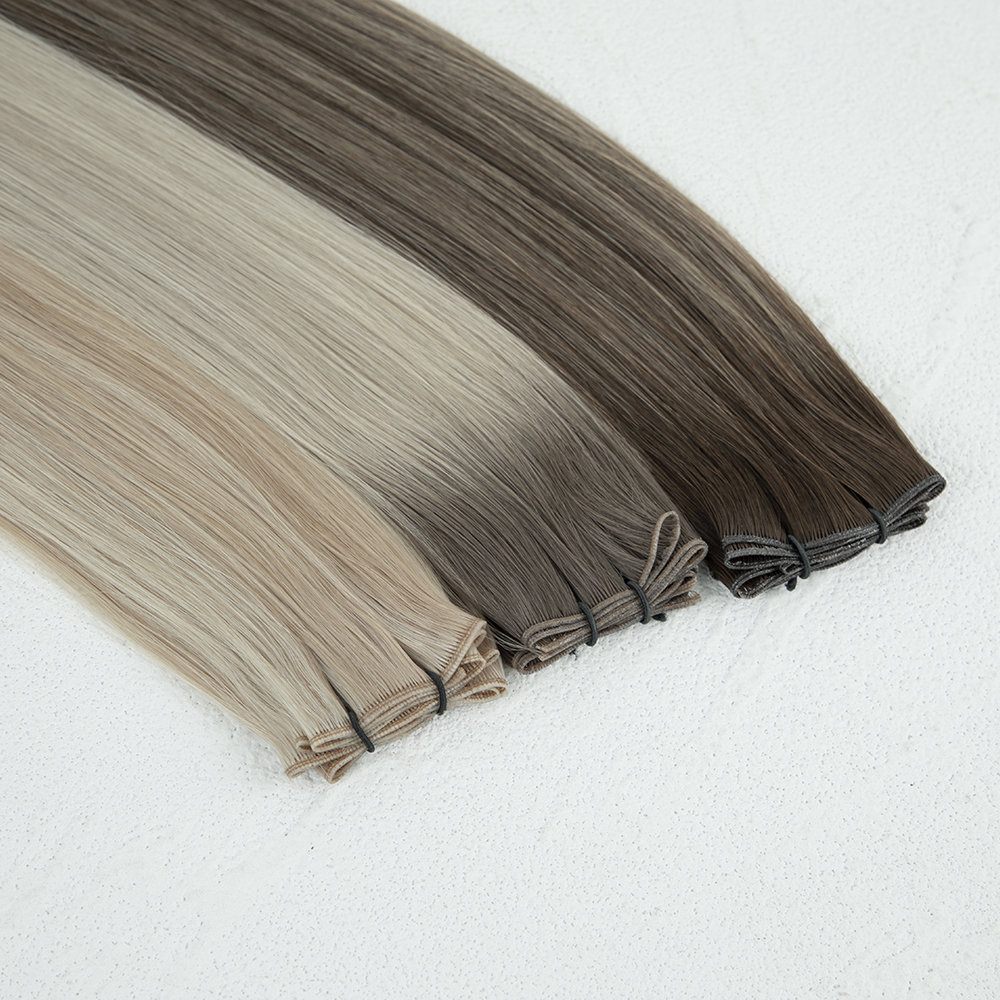
Выбор правильного пряди для наращивания волос из человеческих волос требует тщательной оценки нескольких факторов качества, напрямую влияющих на ваш бизнес и удовлетворённость клиентов. Оптовые покупатели в индустрии товаров для красоты понимают, что закупка крупных партий требует строгих протоколов осмотра и знания стандартов изготовления. Разница между премиальными и низкокачественными прядями для наращивания волос может решить, вернутся ли ваши клиенты или обратятся к конкурентам, поэтому обоснованные закупки необходимы для долгосрочного успеха.
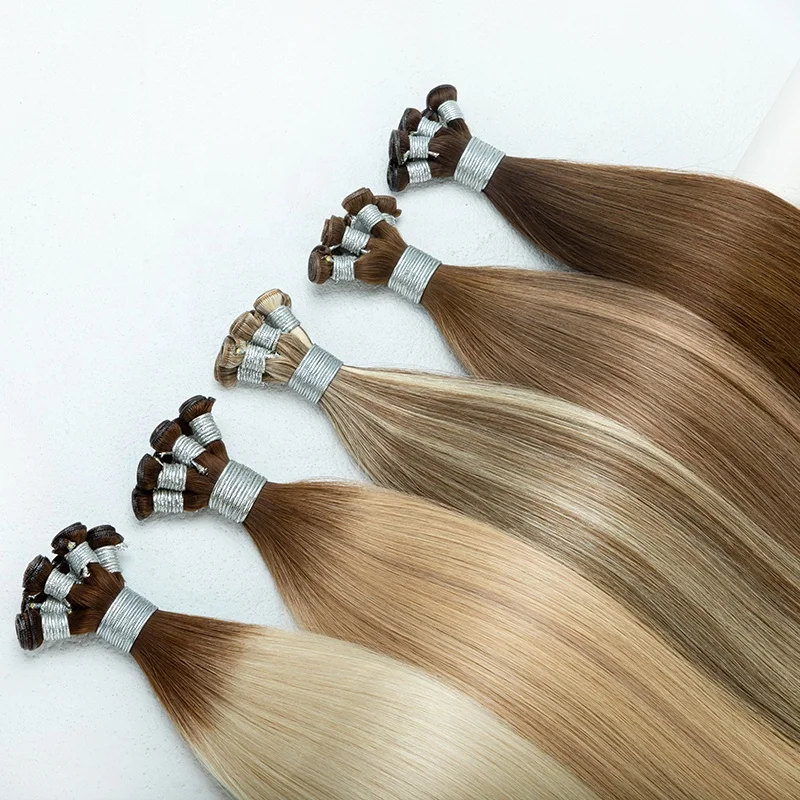
Понимание ключевых критериев оценки до размещения оптовых заказов защищает ваши инвестиции и гарантирует стабильное товар качество. Решения об оптовых закупках должны основываться на измеримых стандартах, надёжности поставщика и соответствии предпочтениям вашей целевой сети салонов в части монтажа. В этом подробном руководстве последовательно рассматриваются основные проверки, которые профессиональные закупщики применяют при выборе прядей из натуральных волос для своих оптовых операций.
Качество волос и подтверждение источника
Оценка стандартов сырья
Основой успеха в использовании качественных прядей волос, завязанных вручную, и при установке прядей волос методом шитья является понимание происхождения и обработки исходного волоса. Премиальные пряди из натуральных волос должны поступать из одного источника волос с единообразными характеристиками донора, что гарантирует одинаковую текстуру, цвет и долговечность во всех пучках. Проверьте образцы пучков при естественном освещении, чтобы убедиться, что кутикулы волос направлены в одном направлении — это предотвращает спутывание и обеспечивает максимальный срок службы для конечных клиентов. Запросите документацию или сертификаты, подтверждающие правильную стерилизацию волос и отсутствие чрезмерного обесцвечивания на этапе обработки.
Проверка класса волос и их однородности
Оптовые покупатели должны проверить, сохраняют ли партии волос постоянную толщину, равномерное распределение веса и насыщенность цвета по всему ассортименту. Пряди из необработанных натуральных волос обычно стоят дороже, но обеспечивают превосходное качество и долговечность, что делает их стандартным требованием на профессиональном рынке красоты. Запросите у поставщиков полную прозрачность относительно того, являются ли волосы полностью необработанными (virgin), необработанными с последующей обработкой или переработанными (recycled), поскольку такая классификация напрямую влияет как на цену, так и на результаты для клиентов. Волосы должны ощущаться мягкими и увлажнёнными, а не сухими или ломкими — это указывает на правильную кондиционирующую обработку и минимальный химический ущерб, нанесённый в процессе производства.
Конструкция прядей и методы установки
Оценка прядей из волос с ручной завязкой
Ручные пряди для наращивания волос представляют собой премиальный метод изготовления, при котором отдельные волосы вручную завязываются узлами на тонкую полоску из хлопка или полиэстер-смеси в основании. Такой метод создаёт сверхтонкую и гибкую прядь, которая равномерно распределяет вес по всей поверхности скальпа, снижая нагрузку на натуральные волосы клиента и обеспечивая комфортное ношение в течение всего дня. При осмотре образцов ручных прядей для наращивания волос узлы должны быть плотными и однородными, без торчащих волосков или просветов вдоль линии пряди. Гибкость пряди имеет решающее значение: при лёгком сгибании она должна плавно принимать форму без трещин или признаков хрупкости, которые могли бы нарушить целостность фиксации.
Оценка совместимости прядей для наращивания волос методом шва
Установка прядей волос методом вшивания остаётся основным методом в профессиональных салонах; при этом приобретённая прядь должна сохранять структурную целостность при многократном проколе иглой и натяжении при плетении косичек. Основа пряди должна обладать достаточной плотностью, чтобы выдерживать несколько рядов ниток без разрывов или образования слабых мест, из которых могут выпадать волосы. Убедитесь, что ширина пряди одинакова по всей длине каждого изделия: различия в ширине усложняют плетение косичек и приводят к неравномерному распределению натяжения. Проверьте устойчивость пряди к деформации, аккуратно растянув её; качественная прядь для вшивания не должна растягиваться чрезмерно и не должна мгновенно возвращаться в исходное положение, что свидетельствует о правильной гибкости, позволяющей адаптироваться к индивидуальной форме черепа клиента и требованиям процедуры.
Методы применения и совместимость с профессиональным использованием
Понимание методов применения прядей из натуральных волос
Для различных салонных условий требуются разные методы крепления париков из натуральных волос, поэтому оптовые покупатели должны иметь в наличии варианты, соответствующие предпочтениям их клиентов и уровню технической квалификации персонала. Метод шитья по-прежнему является наиболее распространённым в профессиональной среде благодаря своей долговечности и возможности регулировки, однако бутик-салоны всё чаще запрашивают парики с возможностью фиксации ленточным способом или методом фьюжн. Если в вашем ассортименте присутствуют товары для ленточной фиксации, проверьте совместимость парика с клеевыми продуктами: основа должна надёжно удерживать клеевые соединения без деградации или проскальзывания в процессе ношения. Кроме того, убедитесь, что плотность парика соответствует типичным для ваших дистрибьюторов длинам и весу волос: более тяжёлые пряди требуют более плотных и усиленных париков, чтобы предотвратить проскальзывание или обрыв в местах крепления.
Подтверждение готовности салона к установке
Перед размещением оптовых заказов согласуйте с ключевыми партнёрами-салонами, что параметры прядей, которые вы планируете приобрести, соответствуют их протоколам установки и совместимости оборудования. Для прядей из волос, связанных вручную (hand-tied weft), могут потребоваться иные методы нанизывания по сравнению с машинными прядями (machine-wefted), поэтому убедитесь, что ваши поставщики понимают, какой из этих методов предпочитают ваши целевые салоны. Запросите у поставщика руководства по установке или учебные материалы — такая поддержка свидетельствует об их приверженности вашему успеху и служит ценным продажным инструментом для взаимодействия с салонами. Уточните вес пряди в граммах, чтобы гарантировать клиентам ожидаемый объём и исключить чрезмерное натяжение натуральных волос при установке, которое может вызвать жалобы на повреждение или негативные отзывы.
ЧаВО
В чём основные различия между прядями из человеческих волос, связанными вручную (hand-tied), и машинными прядями (machine-wefted)?
Расширения для волос с ручной вязкой представляют собой отдельные пряди, завязанные узлами на основу, что создаёт более тонкую и гибкую полоску, идеально подходящую для чувствительной кожи головы и детальной укладки. Альтернативные варианты с машинной вязкой изготавливаются с помощью промышленной строчки, что обеспечивает более быстрое производство и повышенную объёмную ёмкость; зачастую такие полоски получаются толще и подходят клиентам, предпочитающим максимальную густоту или имеющим более крепкие волосы, способные выдерживать больший вес. Расширения с ручной вязкой, как правило, стоят дороже из-за высоких трудозатрат и превосходного комфорта, тогда как изделия с машинной вязкой обеспечивают экономическую эффективность для розничных линеек с ограниченным бюджетом.
Как оптовым покупателям проверить подлинность поставщика и избежать подделок из натуральных волос?
Запросить подробную документацию поставщика, включая свидетельство о регистрации бизнеса, сертификаты качества и результаты независимых испытаний состава волос и стандартов долговечности. Запросить образцы перед размещением крупных заказов и провести физический осмотр на предмет стабильного качества: равномерной плотности узлов, правильного выравнивания кутикулы волос и соответствующей толщины полосок относительно заявленных классов. Настроить прямые каналы связи с командой контроля качества поставщика и, по возможности, посетить производственные мощности для наблюдения за процессами изготовления и проверки соответствия описаний продукции реальным методам производства.
Каков типичный срок службы наращиваемых прядей (sew-in weft), и как качество влияет на долговечность?
Установка премиальных парикмахерских прядей методом вшивания обычно сохраняется от 8 до 12 недель при правильном уходе клиента; однако некоторые высококачественные варианты остаются пригодными к использованию до 16 недель — в зависимости от естественного роста волос и соблюдения рекомендаций по уходу. Пряди из натуральных неокрашенных человеческих волос высшего качества значительно лучше сопротивляются спутыванию, скатыванию и выцветанию цвета по сравнению с изделиями низшего качества, что напрямую увеличивает срок их эксплуатации и снижает количество жалоб со стороны клиентов. Инвестиции в пряди премиального качества снижают вашу юридическую ответственность, повышают лояльность клиентов за счёт положительного опыта взаимодействия и позволяют обосновать более высокие розничные цены, защищающие ваши оптовые маржи.
Содержание
- Качество волос и подтверждение источника
- Конструкция прядей и методы установки
- Методы применения и совместимость с профессиональным использованием
-
ЧаВО
- В чём основные различия между прядями из человеческих волос, связанными вручную (hand-tied), и машинными прядями (machine-wefted)?
- Как оптовым покупателям проверить подлинность поставщика и избежать подделок из натуральных волос?
- Каков типичный срок службы наращиваемых прядей (sew-in weft), и как качество влияет на долговечность?