 EN
EN

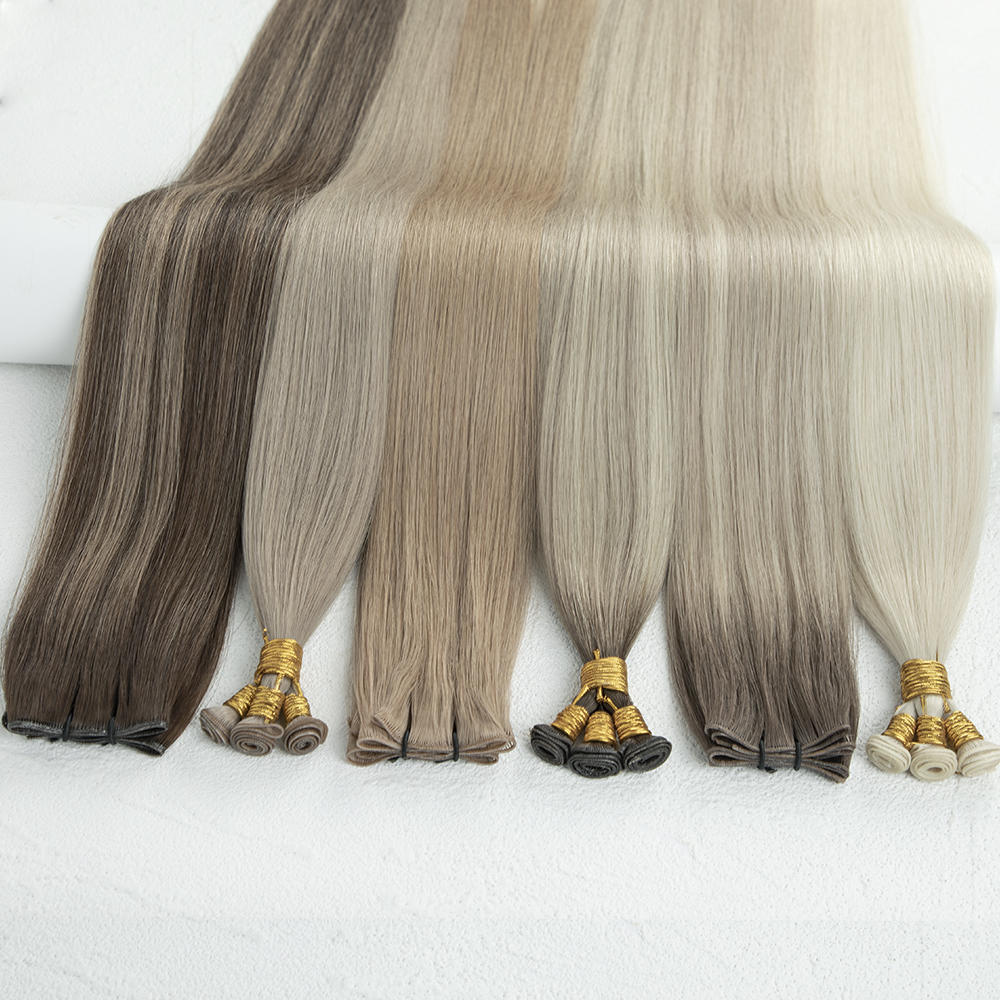
Правильный уход за вашими наращенными прядями из натуральных волос — важнейшее условие сохранения их качества, внешнего вида и долговечности. В отличие от синтетических аналогов, волосы человека расширения требуют особого внимания и специальных процедур ухода для сохранения их естественной текстуры, блеска и прочности. Независимо от того, недавно ли вы установили пряди волос с ручной завязкой или только планируете воспользоваться этим популярным методом фиксации, понимание основ ухода за расширениями поможет избежать дорогостоящего повреждения и наслаждаться прекрасным результатом в течение многих месяцев. Прочность и эстетичность ваших прядей волос напрямую зависят от практик ухода, которые вы начнёте применять с первого дня.
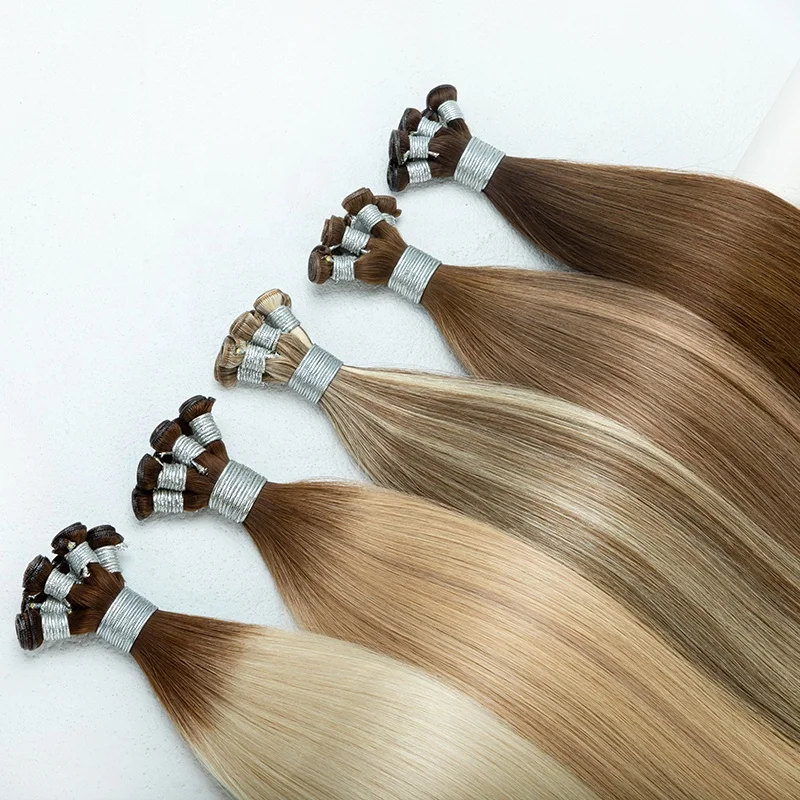
Уход за наращенными прядями из натуральных волос требует больше, чем периодическое мытье. Необходим комплексный подход, охватывающий ежедневную укладку, поддержание баланса влаги, управление термическими воздействиями и защиту места фиксации. Когда вы инвестируете в качественные пряди — будь то метод фиксации «sew-in weft hair» или ручное связывание (hand-tied), — реальная ценность проявляется лишь при последовательном и продуманном уходе. В этом руководстве представлены ключевые методы ухода, рекомендованные профессионалами и проверенные на практике пользователями по всему миру.
Ежедневный уход и обращение
Аккуратное расчёсывание
Ваши наращенные пряди из натуральных волос требуют бережного распутывания, чтобы предотвратить их ломкость и спутывание. Начинайте расчёсывать с кончиков прядей и постепенно продвигайтесь вверх к корням, используя гребень с широкими зубьями или специальную щётку для наращивания. Никогда не расчёсывайте агрессивно и не проводите гребнем по запутанным участкам без предварительного нанесения несмываемого кондиционера или спрея для распутывания. При ношении шитых прядей будьте особенно осторожны в области основы (weft), где волосы закреплены: чрезмерное натяжение в этой зоне может ослабить основу и вызвать преждевременное выпадение или соскальзывание.
Снижение трения и натяжения
Трение — один из главных врагов наращенных прядей, закреплённых вручную, и всех систем на основе прядей. Спите с наращенными прядями в свободной косе или пучке, чтобы уменьшить трение о подушку. Используйте подушки с чехлами из шёлка или атласа вместо хлопковых, поскольку хлопок поглощает влагу и создаёт излишнее сопротивление для волос. Кроме того, избегайте тугих причёсок, которые постоянно нагружают места фиксации. Интенсивная укладка, частое вытягивание и причёски, основанные на натяжении, могут нарушить целостность вашей установки прядей методом шва и значительно сократить срок службы наращенных прядей.
Рекомендации по мытью и кондиционированию
Оптимальная частота и метод стирки
Большинство профессионалов рекомендуют мыть пряди из натуральных волос каждые семь–десять дней, хотя эта частота может корректироваться в зависимости от вашего образа жизни, климата и товар накопление. При мытье используйте тёплую воду и шампунь без сульфатов, специально разработанный для наращённых или окрашенных волос. Направляйте воду и шампунь вниз по стержню волоса, а не массируйте круговыми движениями, поскольку это может ослабить соединения полосок в ручных полосках для наращивания волос. Наносите шампунь преимущественно на среднюю часть и концы волос, избегая области полосок, где корни волос соединяются с наращёнными прядями. Ни в коем случае не скручивайте, не сжимайте и не отжимайте наращённые пряди при мытье, поскольку такая механическая нагрузка может необратимо повредить ориентацию волокон и ослабить их структурную целостность.
Глубокое кондиционирование и восстановление влаги
Глубокое кондиционирование каждые две недели имеет решающее значение для сохранения мягкости и эластичности наращенных прядей из натуральных волос. Используйте кондиционеры, богатые протеинами, и интенсивные маски для волос, предназначенные для наращенных прядей из натуральных волос или повреждённых волос. Оставляйте кондиционер на волосах не менее пятнадцати минут, чтобы влага полностью проникла в структуру волокна. При установке прядей методом шитья убедитесь, что кондиционер распределяется по всей длине волос, но избегайте чрезмерного увлажнения самой пряди — это может ослабить адгезию клея или прочность ниток. Качественные кондиционирующие средства восполняют влагу, естественным образом теряемую при ежедневной носке и воздействии окружающей среды.
Укладка с применением тепла и стратегии защиты
Использование термоинструментов и контроль температуры
Расширения из натуральных волос в виде прядей можно подвергать термоукладке, однако контроль температуры абсолютно необходим для предотвращения повреждений. Всегда используйте спрей-защиту от тепла перед применением любых нагревательных инструментов для укладки прядей из натуральных волос, завязанных вручную, или при установке методом шитья. Поддерживайте температуру выпрямителей и щипцов для завивки в умеренном диапазоне — от 250 до 350 градусов по Фаренгейту — и никогда не воздействуйте прямым теплом многократно на один и тот же участок. Дождитесь полного остывания прядей из натуральных волос перед расчёсыванием или формированием уложенных участков, поскольку тепло делает волосы более уязвимыми к ломкости. Избегайте концентрации тепла вблизи линий соединения прядей при установке методом шитья, поскольку чрезмерное тепловое воздействие в этих зонах может ослабить структурные соединения.
Сушка на воздухе и защитная укладка
По возможности давайте своим удлинителям высыхать естественным путем, чтобы минимизировать термическое повреждение и продлить общий срок службы. Если необходимо использовать фен, выбирайте средний температурный режим и постоянно перемещайте фен, чтобы избежать локального перегрева. Защитные причёски, которые сводят к минимуму механическое воздействие и экспозицию окружающей среде, значительно улучшают состояние наращенных прядей из натуральных волос. Косы, закрученные укладки и стили с низким уровнем манипуляций снижают трение, сохраняют влагу и защищают ручные пряди (hand-tied weft hair extensions) или шовные установки (sew-in installations) от пыли, загрязнений и УФ-повреждений. Чередование активных укладок и защитных стилей помогает сохранить инвестиции в методы наращивания прядей из натуральных волос в течение многих месяцев.
Уход за установкой и её долговечность
Обеспечение надёжности прядей и предотвращение их смещения
Регулярно контролируйте безопасность и положение ваших прядей-вставок, чтобы выявлять потенциальные проблемы на ранней стадии. Убедитесь, что нити крепления вшитых прядей остаются плотными и что никакие пряди не смещаются или не отходят от изначального места установки. Для прядей-вставок ручной вязки периодически осматривайте узлы на предмет ослабления или повреждения. Если вы заметите какое-либо смещение или неустойчивость при использовании методов крепления прядей из натуральных волос, немедленно свяжитесь со своим стилистом — не дожидайтесь, пока повреждения станут серьёзными. Регулярный осмотр предотвращает катастрофические сбои и сохраняет структурную целостность, защищающую как ваши вставки, так и ваши собственные волосы.
Профессиональное обслуживание и график замены
Качественные прядевые наращивания из натуральных волос обычно сохраняются от четырёх до восьми месяцев при правильном уходе, однако индивидуальные результаты могут различаться в зависимости от типа волос, образа жизни и регулярности ухода. Запланируйте профессиональное обслуживание каждые четыре–шесть недель для оценки состояния и корректировки вашей установки прядевых наращиваний методом шитья. Во время таких визитов мастер может подтянуть ослабленные соединения, устранить возникающие проблемы и провести профессиональные процедуры глубокого кондиционирования. Замена старых прядей на свежие ручные прядевые наращивания из натуральных волос или новые шитые установки помогает сохранить здоровье ваших собственных волос и поддерживать желаемый эстетический вид. Своевременная замена предотвращает деградацию, которая неизбежна при ношении наращиваний дольше их практического срока службы.
ЧаВО
Как часто следует мыть прядевые наращивания из натуральных волос?
Большинство профессионалов рекомендуют мыть пряди из натуральных волос каждые семь–десять дней. Однако если вы часто занимаетесь спортом, живёте в влажном климате или активно используете укладочные средства, возможно, потребуется мыть их каждые пять–семь дней. Напротив, при ношении защитных причёсок и минимальном воздействии на волосы интервал можно увеличить до десяти–четырнадцати дней. Главное — подобрать частоту, которая обеспечит баланс между чистотой и сохранением влаги с учётом вашего образа жизни, а также типа установки: ручной фиксации прядей (hand-tied weft) или вплетения (sew-in).
Можно ли использовать обычный шампунь для вплетённых прядей (sew-in weft hair installation)?
Использование обычного шампуня для наращенных прядей не рекомендуется, поскольку большинство коммерческих шампуней содержат сульфаты и агрессивные химические вещества, которые вымывают влагу и ослабляют структуру волос. Шампуни без сульфатов, специально разработанные для наращенных или окрашенных волос, мягче воздействуют и лучше сохраняют качество ваших прядей из натуральных волос. Эти специализированные средства эффективно очищают, одновременно сохраняя естественные масла и влагу, необходимые для поддержания здоровья и яркого внешнего вида прядей из натуральных волос на протяжении всего срока их службы.
Что делать, если начали выпадать пряди, наращенные ручным способом?
Небольшое выпадение волос — это нормальное явление при первом использовании парикмахерских прядей ручной сборки, однако чрезмерное выпадение указывает на проблему. Прежде всего убедитесь, что вы соблюдаете правильные методы ухода за прядями из натуральных волос: аккуратно распутывайте их, мойте соответствующим способом и поддерживайте оптимальный уровень влажности. Если выпадение продолжается даже при правильном уходе, обратитесь к своему стилисту для осмотра соединений прядей на предмет ослабления или повреждения. Специалист может скорректировать вашу установку прядей методом шва или устранить другие проблемы, связанные с монтажом. Продолжающееся чрезмерное выпадение после профессиональной диагностики свидетельствует о том, что срок службы прядей исчерпан, и их необходимо заменить новыми.