 EN
EN

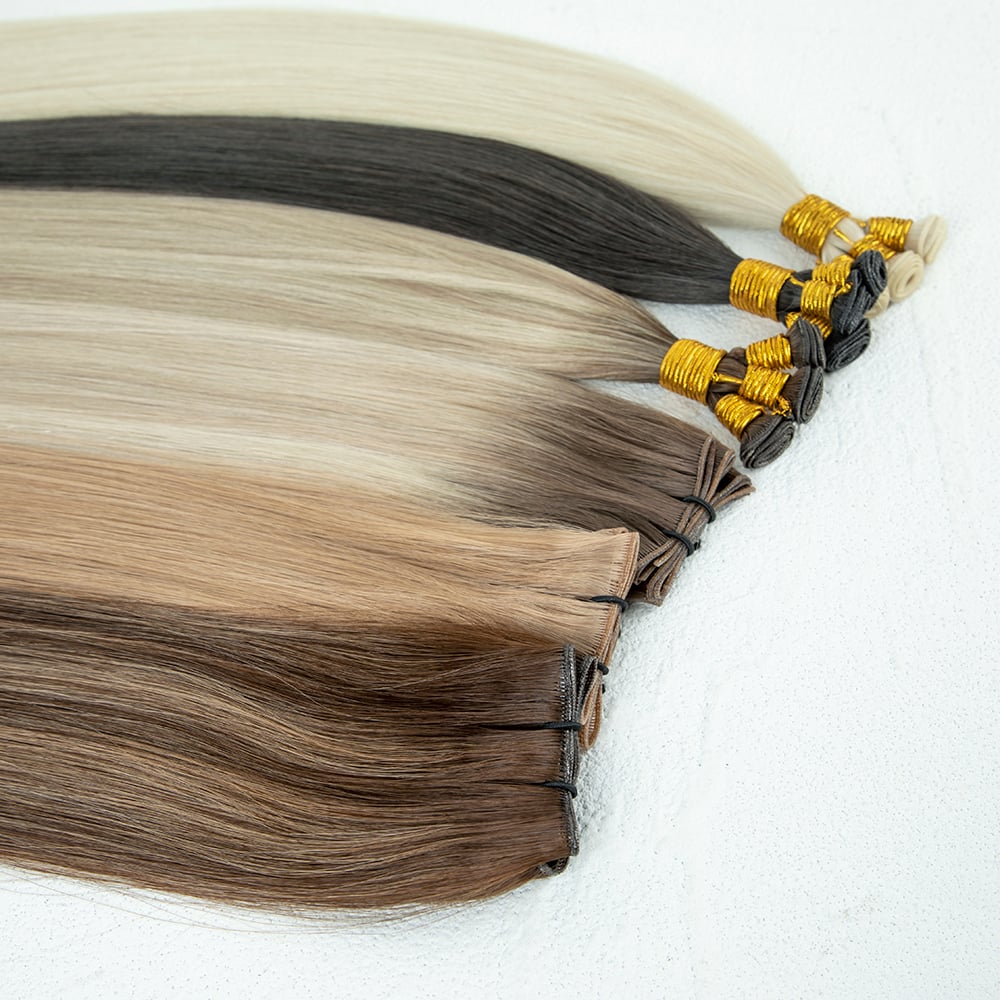
Compradores por atacado que entram no mercado de extensões de cabelo enfrentam inúmeras decisões, e compreender extensões de cabelo em weft é essencial para construir um negócio bem-sucedido produto linha. As extensões de cabelo em trama representam uma das opções mais populares e versáteis no setor de beleza, oferecendo desempenho confiável, aparência natural e valor a longo prazo tanto para varejistas quanto para consumidores finais. Para compradores atacadistas, reconhecer os indicadores de qualidade, os requisitos de instalação e as expectativas dos clientes em relação às extensões em trama impacta diretamente as decisões de estoque e as margens de lucro.
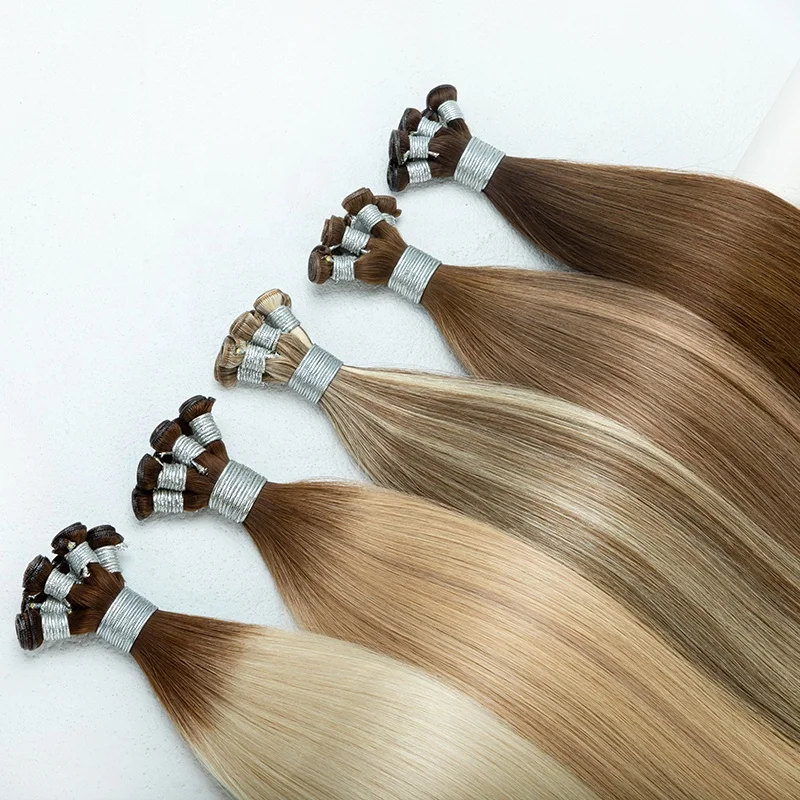
O mercado atacadista de extensões de cabelo em trama continua crescendo à medida que estilistas e proprietários de salões reconhecem sua durabilidade e altas taxas de satisfação dos clientes. Ao contrário de fios soltos ou alternativas com fita adesiva, as extensões em trama oferecem uma base estável que resiste ao deslocamento e aos emaranhados, tornando-as ideais para clientes que buscam resultados duradouros. Compradores atacadistas que compreendem as nuances da construção em trama, dos protocolos de instalação e da manutenção adequada podem posicionar-se como fornecedores e consultores de confiança junto a seus parceiros varejistas e clientes finais.
Compreendendo a Construção em Trama e os Indicadores de Qualidade
O Que Torna as Extensões de Cabelo em Trama Únicas
As extensões de cabelo em trama consistem em fios individuais de cabelo costurados em uma linha contínua na raiz, criando uma base densa e estável. Esse método de construção as diferencia de outros tipos de extensões e define suas características de desempenho. A qualidade da base em trama determina como o peso do cabelo é distribuído de forma uniforme, com que segurança ela se mantém durante a modelagem e por quanto tempo preserva sua integridade ao longo de múltiplos ciclos de uso. Compradores por atacado devem examinar a densidade da trama, o alinhamento dos fios e a qualidade dos nós como principais indicadores de excelência do produto.
Avaliação da Qualidade do Cabelo e da Integridade da Origem
A qualidade da matéria-prima afeta diretamente a vida útil do produto final e a satisfação do cliente. Extensões capilares premium no sentido da trama utilizam cabelos de um único doador ou cabelos com cutícula intacta, o que resiste ao embaraçamento, à formação de nós e à queda prematura. Compradores por atacado devem verificar se os fornecedores mantêm práticas consistentes de origem e fornecem documentação sobre a origem e os métodos de processamento dos cabelos. Cabelos que mantêm o alinhamento da cutícula da raiz até as pontas criam uma superfície mais lisa, reduzem o atrito durante a modelagem e proporcionam o brilho natural que os consumidores finais esperam de extensões de qualidade.
Extensões Capilares Costuradas e Métodos de Instalação
A Base de Instalação em Tranças Embutidas
As extensões capilares costuradas continuam sendo o método de aplicação mais comum para produtos baseados em mechas. Os estilistas criam uma base em trança de milho ao longo do couro cabeludo e, em seguida, costuram manualmente a mecha nessas tranças, utilizando técnicas especializadas com fio e agulha. Esse método oferece uma fixação excepcionalmente forte e permite que os clientes desfrutem das extensões por períodos prolongados sem necessidade de ajustes. Compradores por atacado devem reconhecer que as extensões capilares costuradas exigem aplicação especializada, e a satisfação do cliente depende fortemente da perícia do estilista. Oferecer materiais completos de treinamento ou estabelecer parcerias com provedores educacionais fortalece os relacionamentos com os clientes de salão.
Métodos alternativos de instalação de mechas
Além da costura tradicional, os métodos modernos de instalação de mechas incluem ligação por fusão, integração com grampos e combinações com fita adesiva. Os métodos de fusão aplicam um adesivo ativado por calor às seções das mechas, criando uma ligação permanente que dura até a remoção. Alguns distribuidores desenvolvem sistemas híbridos que combinam estabilidade das mechas com cronogramas de instalação mais rápidos. Compradores por atacado devem manter-se informados sobre as novas técnicas, pois essas inovações influenciam a demanda por produtos e as preferências dos clientes. Compreender os métodos de instalação de mechas ajuda os compradores a antecipar tendências de mercado e a estocar a combinação certa de produtos.
Manutenção de Extensões Capilares e Retenção de Clientes
Educar os Clientes sobre Cuidados e Longevidade
A manutenção de extensões capilares determina diretamente a satisfação do cliente e a fidelização dos parceiros varejistas. As extensões em faixa exigem práticas consistentes de cuidado, incluindo lavagem suave, hidratação e aplicação de protetores térmicos. Clientes que negligenciam a manutenção enfrentam embaraçamento, emaranhamento e deterioração prematura da faixa. Compradores atacadistas devem fornecer guias detalhados de cuidados com cada pedido em volume, destacando que o conhecimento sobre manutenção de extensões capilares transforma clientes de compra única em consumidores de longo prazo, que adquirem novas extensões a cada seis a doze meses.
Apoio aos parceiros de salão com recursos de treinamento
Compradores por atacado bem-sucedidos reconhecem que os parceiros de salão precisam de suporte em treinamento para maximizar a retenção de clientes. Fornecer tutoriais em vídeo, cartões impressos de cuidados e protocolos de consulta garante que os estilistas possam educar os clientes com confiança. Quando os salões oferecem orientações profissionais sobre cuidados pós-aplicação, os clientes enfrentam menos problemas, mantêm suas extensões por mais tempo e recomendam os serviços a amigos. Essa experiência aprimorada do cliente beneficia toda a cadeia de suprimentos, aumentando os pedidos repetidos dos salões e fortalecendo a lealdade à marca. Compradores por atacado que investem na educação de seus parceiros estabelecem vantagens competitivas e cultivam relações duradouras de distribuição.
Garantia de Qualidade e Estratégia de Compra em Lote
Estabelecimento de Padrões de Qualidade para Estoque
Compradores por atacado devem desenvolver protocolos rigorosos de inspeção antes de aceitar remessas em grande volume de extensões capilares de trama. Testes para densidade capilar, segurança dos nós, consistência da cor e taxas de queda evitam erros dispendiosos no estoque. Os métodos de amostragem devem incluir inspeção visual sob ampliação, testes suaves de tração e ensaios de exposição à água. Esses controles de qualidade protegem a reputação do comprador e impedem reclamações posteriores de parceiros de salão. Estabelecer relações com fornecedores que acolham a verificação de qualidade demonstra compromisso mútuo com a excelência e reduz riscos a longo prazo.
Negociando Estruturas de Volume e Custo
Compradores por atacado estratégicos negociam preços favoráveis ao compreenderem os parâmetros de mercado e ao demonstrarem potencial de parceria de longo prazo. Combinar pedidos de várias variações de produto ou estender os prazos de pagamento pode desbloquear descontos por volume, mantendo o fluxo de caixa. Os compradores também devem explorar ofertas com valor agregado, como embalagens personalizadas, marca privada ou acesso exclusivo a produtos. Essas negociações exigem compreensão tanto das restrições dos fornecedores quanto das demandas do mercado varejista, posicionando os compradores por atacado como parceiros comerciais sofisticados, e não como clientes meramente transacionais.
Perguntas Frequentes
Quanto tempo duram normalmente as extensões de cabelo tipo trama, com manutenção adequada?
Extensões de cabelo de trama de qualidade normalmente duram de seis a doze meses com cuidados constantes e manutenção profissional. Práticas de manutenção de extensões de cabelo, como lavagem suave, tratamentos condicionadores e proteção contra calor excessivo, prolongam significativamente sua utilidade. Clientes que seguem os protocolos recomendados de cuidado frequentemente obtêm resultados na extremidade superior desse período, enquanto aqueles que negligenciam a manutenção podem experimentar deterioração em três a seis meses. Compradores por atacado devem comunicar claramente essas expectativas aos parceiros varejistas.
O que distingue a construção de trama amarrada à mão dos demais estilos de trama?
A construção de mechas com nó manual utiliza nós individuais para fixar os fios, criando uma base flexível e leve que imita o movimento natural do cabelo. Esse método contrasta com alternativas de mechas feitas por máquina, que utilizam linhas contínuas de fio. As mechas com nó manual oferecem conforto superior aos clientes, reduzem a tensão no couro cabeludo e permitem opções de modelagem mais naturais. Extensões de cabelo aplicadas por costura, com construção de mechas com nó manual, têm preços premium e atraem consumidores atentos à qualidade. Compradores atacadistas devem manter em estoque ambos os estilos para atender diferentes segmentos de mercado e faixas de preço.
Quais fatores os compradores atacadistas devem priorizar ao comparar fornecedores de extensões em mecha?
Os compradores atacadistas devem priorizar a qualidade do cabelo e a integridade da origem, a consistência na construção das mechas e o cliente serviço capacidade de resposta e flexibilidade de preços conforme o volume. Outros fatores a considerar incluem a disposição do fornecedor em fornecer materiais de treinamento, capacidades de personalização e políticas de devolução. Avaliar referências de parceiros varejistas existentes e solicitar inspeções de amostras antes de realizar pedidos em grande escala reduz os riscos. Os melhores fornecedores combinam preços competitivos com suporte profissional, ajudando compradores atacadistas a construir fortes relações varejistas e alcançar crescimento sustentável no mercado de extensões de cabelo weft.