 EN
EN

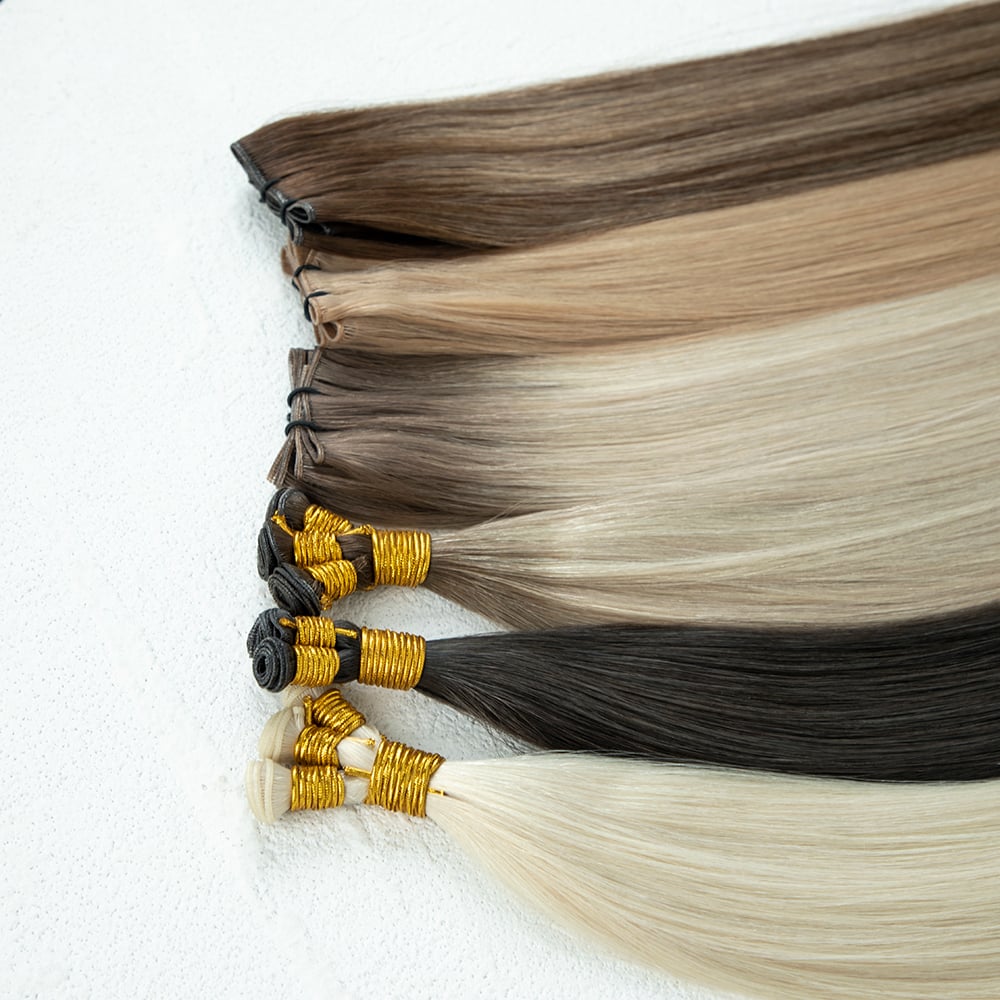
Sí, extensiones de cabello humano en mechones se pueden teñir y peinar sin duda alguna tal como el cabello natural. Esta versatilidad es una de las razones principales por las que las extensiones de cabello en mecha de calidad, hechas de cabello humano, se han convertido en el estándar de oro para clientes que buscan soluciones capilares personalizables y duraderas. Ya sea que elija extensiones en mecha atadas a mano o prefiera los métodos de instalación de extensiones en mecha mediante costura, el cabello humano subyacente conserva su capacidad para absorber color, soportar peinado con calor y tolerar tratamientos químicos.
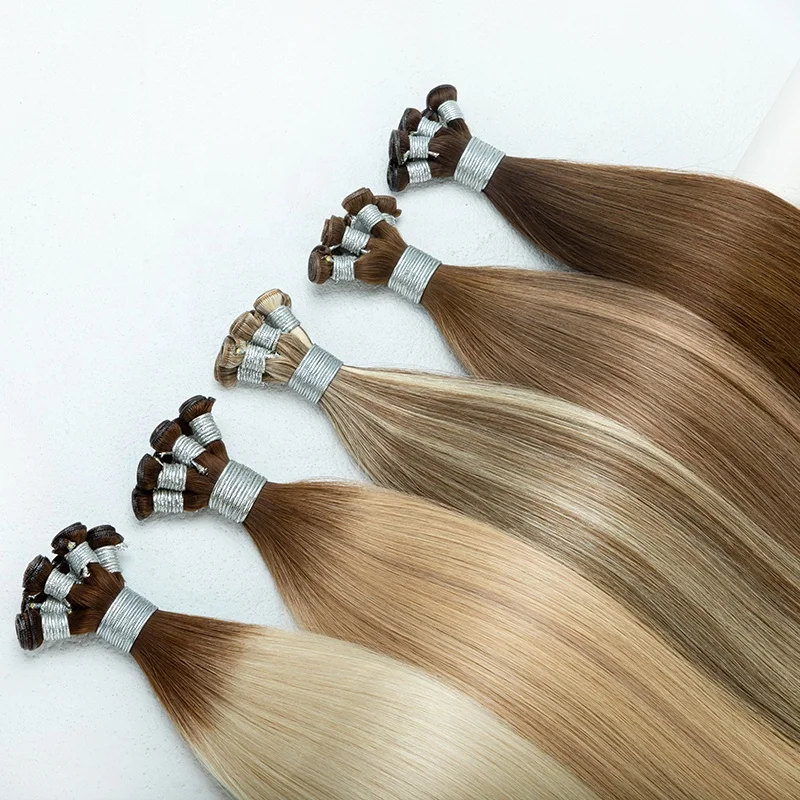
Comprender cómo teñir y peinar correctamente las extensiones requiere conocer el método específico de aplicación que esté utilizando. Las extensiones de cabello con mecha cosida a mano y las instalaciones de mecha cosida presentan consideraciones únicas en cuanto al procesamiento del color y la aplicación de calor. Esta guía explora exhaustivamente el teñido, el peinado y el mantenimiento de las extensiones de mecha, para que pueda lograr resultados profesionales protegiendo su inversión.
Estructura de las extensiones de cabello con mecha y su capacidad de tinte
Qué diferencia a las extensiones de mecha
Las extensiones de cabello humano en trama se construyen cosiendo mechones individuales de cabello sobre un hilo delgado reforzado o una base sintética denominada trama. Este diseño las distingue de las alternativas con cinta adhesiva o con clips. La base de la trama sujeta cientos de mechones de cabello, creando una instalación densa y con mucho volumen. Como el cabello es genuino cabello humano, posee las mismas propiedades químicas que el cabello que crece desde el cuero cabelludo, lo que lo hace receptivo a tintes, decolorantes y herramientas de peinado.
Las extensiones de cabello humano en trama anudadas a mano utilizan específicamente una trama anudada manualmente, lo que permite un perfil más delgado y una fusión más natural. Esta construcción anudada a mano no afecta la capacidad de teñirse; de hecho, muchos estilistas prefieren las extensiones de cabello humano en trama anudadas a mano porque la base más delgada de la trama absorbe el color de forma más uniforme. Los mechones de cabello permanecen completamente accesibles para las moléculas del tinte, garantizando resultados de color consistentes desde la raíz hasta las puntas de la extensión.
Evaluación previa al tratamiento
Antes de teñir extensiones de cabello humano en mecha, evalúe el estado actual del cabello y su calidad de origen. El cabello que ya ha sido procesado o aclarado previamente puede reaccionar de forma distinta a nuevas aplicaciones de color. Examine si presenta signos de sequedad, rotura o daño. Las extensiones de alta calidad en mecha, adquiridas a proveedores reputados, suelen llegar en condiciones óptimas, lo que las convierte en candidatas ideales para la personalización del color. Pruebe primero una pequeña sección de la mecha para predecir cómo responderá todo el lote al tinte elegido.
Teñir extensiones de cabello en mecha de forma segura y eficaz
Preparación y selección del color
El teñido exitoso de extensiones de cabello en mecha hechas a mano comienza con una preparación adecuada. Asegúrese de que sus extensiones estén limpias y libres de acumulaciones de silicona o producto residuo, ya que estas barreras impiden que las moléculas de color penetren de forma uniforme en la fibra capilar. Utilice un champú purificante y deje que el cabello se seque al aire por completo antes de mezclar su tinte. Elija un tinte capilar profesional de alta calidad formulado para cabello natural, no para productos capilares sintéticos.
El proceso de tintura para la instalación de mechas cosidas sigue los mismos principios que la tintura de cabello suelto. Mezcle su tinte según las instrucciones del fabricante y aplíquelo de forma sistemática desde la base de la mecha hasta las puntas del cabello. Trabaje por secciones para garantizar una saturación de color uniforme. El método de instalación de mechas cosidas no interfiere con la penetración del color, porque la mecha es simplemente un soporte; las hebras reales de cabello reciben el tinte de forma uniforme a lo largo de toda su longitud.
Técnica de aplicación y tiempo de procesamiento
Aplicar el tinte a las extensiones de cabello humano con mecha, distribuyendo la mezcla de color de forma uniforme mediante pequeñas secciones. Comenzar en la base de la mecha y avanzar hacia abajo, asegurándose de que ninguna hebra de cabello quede sin contacto con el tinte. Para las extensiones de cabello con mecha cosida a mano, tener especial cuidado alrededor del área más delgada de la mecha para evitar un procesamiento excesivo en esta sección delicada. La mayoría de los tintes profesionales requieren entre 30 y 45 minutos de tiempo de procesamiento; seguir con precisión las indicaciones específicas del producto para evitar una saturación excesiva o una coloración insuficiente.
Enjuagar las extensiones abundantemente con agua fría para sellar la cutícula del cabello y fijar las moléculas de color. Aplicar un acondicionador seguro para el color para restaurar la humedad y la elasticidad perdidas durante el proceso de tintura. Dejar secar las extensiones al aire sobre una superficie plana o en un soporte especializado para secado. Nunca aplicar calor inmediatamente después de la tintura; esperar al menos 48 horas antes de usar herramientas térmicas de peinado en las extensiones de cabello con mecha recién teñidas.
Técnicas de peinado para extensiones de cabello con mecha
Peinado térmico con instalación de extensiones de cabello con mecha cosida
La instalación de mechas cosidas permite un acceso completo a las herramientas de peinado con calor una vez que las extensiones están correctamente fijadas al cabello natural. Puedes usar planchas, rizadores y secadores de pelo en extensiones de mechas de cabello humano sin restricciones. Lo esencial es utilizar temperaturas adecuadas y productos protectores térmicos. Aplica un spray protector contra el calor antes de cada sesión de peinado para minimizar el daño y mantener la durabilidad del cabello. Para rizar o alisar, usa temperaturas medias en lugar de temperaturas máximas, lo que ayuda a preservar la calidad del cabello.
Las extensiones de mechas anudadas a mano ofrecen una flexibilidad similar para el peinado con calor. Dado que las mechas anudadas a mano tienen bases más delgadas, asegúrate de no aplicar calor directo sobre la propia mecha; enfócate en peinar los mechones lejos del punto de fijación. Esta precaución evita dañar los nudos hechos a mano y prolonga la vida útil de tus extensiones. Seca desde las raíces hasta las puntas usando la boquilla concentradora del secador para obtener resultados de peinado más lisos y controlados.
Tratamientos Químicos y Mantenimiento
Además de la tintura, las extensiones de cabello humano en forma de faja pueden someterse a diversos tratamientos químicos, como rizado, alisado o procesos de suavizado. Estos tratamientos siguen los protocolos estándar utilizados en el cabello natural, aunque se recomienda consultar con un estilista experimentado familiarizado con los métodos de aplicación de extensiones de cabello humano en forma de faja antes de intentar procesos químicos complejos. La calidad de sus extensiones influye en su resistencia a los tratamientos químicos; el cabello de grado premium generalmente resiste mejor múltiples procesos que las alternativas de menor calidad.
Mantenga las extensiones de cabello con trama estilizada mediante tratamientos regulares de acondicionamiento y prácticas de peinado protectoras. Duerma sobre una funda de almohada de seda para reducir la fricción y el encrespamiento. Evite la exposición al cloro al nadar, ya que este puede alterar el color previamente aplicado. Utilice champús y acondicionadores sin sulfatos específicamente formulados para cabello extendido, para preservar tanto la intensidad del color como la integridad del cabello. Estos hábitos de mantenimiento garantizan que sus extensiones de cabello con trama cosida a mano o sus instalaciones tipo sew-in permanezcan hermosas y funcionales durante toda su vida útil.
Preguntas frecuentes
¿Puedo teñir varias veces las extensiones de cabello con trama?
Sí, las extensiones de cabello humano en trama pueden teñirse varias veces, aunque cada aplicación somete al cabello a estrés químico. Los estilistas profesionales recomiendan dejar un intervalo de al menos cuatro a seis semanas entre tratamientos de color para permitir que el cabello se recupere. La instalación de extensiones de cabello en trama atadas a mano y la instalación de extensiones en trama cosida no afectan la cantidad de veces que se puede volver a teñir el cabello de forma segura. Concéntrate en usar tintes de alta calidad, acondicionar minuciosamente entre tratamientos y reducir al mínimo la exposición al calor para aumentar el número de veces que puedes volver a colorear tus extensiones con éxito, sin daño visible.
¿Cuál es la diferencia entre las extensiones de cabello en trama atadas a mano y la instalación de extensiones en trama cosida?
Las extensiones de cabello con mecha manual presentan nudos anudados individualmente a mano que unen los mechones de cabello a la mecha, creando una base más delgada y flexible. La instalación de extensiones de cabello con mecha mediante costura se refiere al método de aplicación en el que toda la mecha se cose a trenzas tipo 'cornrows' sobre el cabello natural. Ambos métodos utilizan extensiones de cabello humano con mecha como producto real de cabello. La diferencia principal radica en la construcción de la mecha y la técnica de fijación, no en la capacidad de teñido ni en la posibilidad de peinado. Ambas opciones permiten personalización completa de color y peinado con calor.
¿Cómo protejo mis extensiones de cabello con mecha durante el proceso de teñido?
Proteja las extensiones de cabello humano con mecha durante el tinte aplicando una barrera protectora alrededor de la base de la mecha con vaselina o un producto similar. Esto evita que el exceso de tinte manche o debilite los hilos de la mecha. Enjuague previamente el cabello con agua fría y use únicamente tintes profesionales formulados para cabello humano. Aplique tratamientos acondicionadores profundos inmediatamente después del enjuague para restaurar la humedad perdida. En el caso específico de extensiones de cabello con mecha anudada a mano, trabaje con suavidad alrededor de los nudos para evitar que se deshagan o dañen la delicada construcción anudada a mano durante la aplicación del color.