 EN
EN
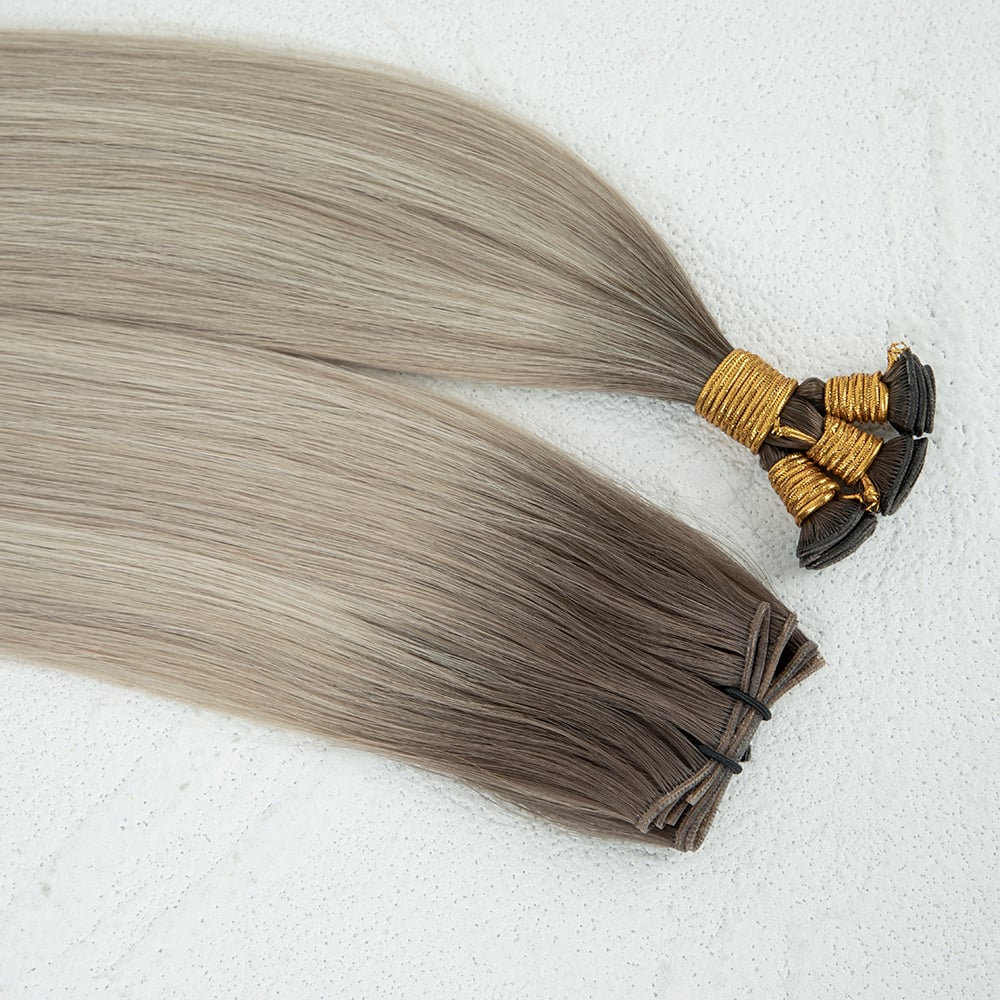
Webart-Haarverlängerungen sind mittlerweile eine beliebte Wahl für Menschen, die sich längeres, voluminöseres Haar wünschen, ohne sich auf das natürliche Wachstum verlassen zu müssen. Viele Interessenten fragen sich weft Haarverlängerungen ob sie ihr Aussehen durch Färben und Hitze-Styling individuell anpassen können – genauso wie bei natürlichem Haar. Die Antwort lautet ja, doch dabei gelten wichtige Besonderheiten und Techniken, die sich vom Styling natürlichen Haares unterscheiden. Ein fundiertes Verständnis dieser Verfahren gewährleistet, dass Ihre Verlängerungen langfristig schön bleiben, ihre Qualität bewahren und ihre Integrität erhalten.
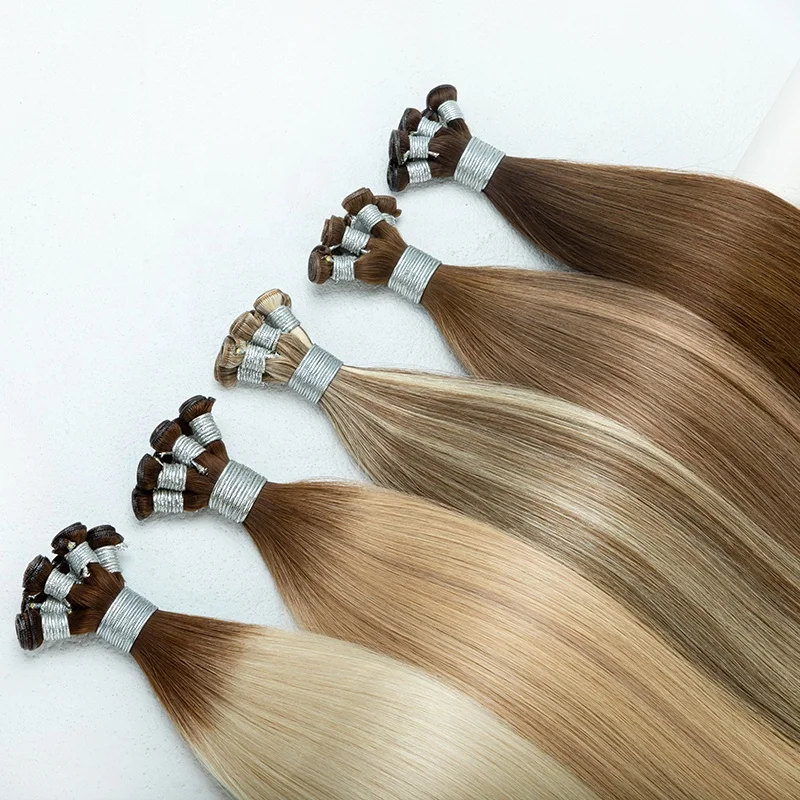
Die Möglichkeit, Schuss-Haarverlängerungen zu färben und mit Hitze zu stylen, eröffnet kreative Gestaltungsmöglichkeiten – etwa um die Farbe Ihres natürlichen Haares zu imitieren oder völlig neue Looks zu kreieren. Der Erfolg dieser Prozesse hängt jedoch von der Qualität der Verlängerungen, den verwendeten Methoden sowie einer angemessenen Nachpflege ab. Ob Sie kürzlich Sew-in-Haarverlängerungen erworben haben oder dies planen: Wenn Sie wissen, wie Sie diese sicher färben und stylen können, erzielen Sie professionelle Ergebnisse und verlängern die Lebensdauer Ihrer Investition.
Grundlagen zum Färben von Schuss-Haarverlängerungen
Vorbereitung Ihrer Verlängerungen zum Färben
Bevor Sie mit dem Färben Ihrer Schuss-Verlängerungen beginnen, ist eine sorgfältige Vorbereitung entscheidend, um eine gleichmäßige Farbverteilung zu gewährleisten und Schäden zu vermeiden. Waschen Sie Ihre Verlängerungen zunächst vorsichtig mit einem sulfatfreien Shampoo, um Herstellungsreste, Staub oder produkt aufbau. Dieser Schritt ist entscheidend für die Farbaufnahme und gewährleistet, dass die Farbe gleichmäßig in alle Haarsträhnen eindringt. Lassen Sie die Extensions vollständig trocknen, bevor Sie fortfahren, da feuchtes Haar die Farbe verdünnen und zu ungleichmäßiger Färbung führen kann.
Bevor Sie Streifen-Haarverlängerungen färben, ist es wichtig, die Farbe zunächst an einem kleinen, unauffälligen Abschnitt zu testen. Diese Teststrähne hilft Ihnen, das endgültige Farbergebnis einzuschätzen und sicherzustellen, dass die Farbe keinen unerwarteten Schaden oder unerwünschte Farbtöne verursacht. Hochwertige Extensions sind widerstandsfähiger gegenüber Farbschäden; daher macht die Investition in Premium-Streifen-Anbringungsmethoden einen deutlichen Unterschied bei der Reaktion Ihrer Extensions auf Colorierbehandlungen.
Färbeprozess und Techniken
Der eigentliche Färbeprozess für eingewebte Haarverlängerungen erfordert Geduld und Präzision, um professionelle Ergebnisse zu erzielen. Mischen Sie Ihre Farbe gemäß den Anweisungen des Herstellers und tragen Sie sie abschnittsweise auf, beginnend an den Wurzeln der Haarsträhne und arbeiten Sie sich bis zu den Spitzen vor. Verwenden Sie einen Farbpinsel, um jeden Abschnitt gründlich zu durchtränken und sicherzustellen, dass kein Haar ausgelassen wird. Vermeiden Sie es, die Farbe direkt auf das Strähnenband aufzutragen, da dies die Struktur schwächen und die Integrität Ihrer Haarverlängerungen beeinträchtigen kann.
Die Pflege von Haarverlängerungen wird während des Färbeprozesses besonders wichtig. Lassen Sie die Farbe nur die empfohlene Zeit einwirken – eine Überbehandlung schwächt die Haarfaser und kann zu Bruch oder Frizz führen. Spülen Sie mit kaltem Wasser aus, um die Haarschuppenschicht zu schließen, und wenden Sie unmittelbar danach eine intensive Feuchtigkeitskur an, um Feuchtigkeit und Glanz wiederherzustellen. Viele Fachleute empfehlen die Verwendung farbschonender Produkte, die speziell für Weft-Haarverlängerungen entwickelt wurden, um das Haar zu schützen und die Farbintensität zu bewahren.
Hitze-Styling-Methoden für die Montage von Weft-Haarverlängerungen
Temperaturrichtlinien für sicheres Styling
Hitze-Styling ist mit Strang-Haarverlängerungen durchaus möglich, vorausgesetzt, Sie verwenden geeignete Temperaturen und Schutzmaßnahmen. Die meisten hochwertigen Strang-Installationsmethoden vertragen Temperaturen bis zu 400 Grad Fahrenheit, doch das bedeutet nicht, dass Sie regelmäßig maximale Hitze anwenden sollten. Ein sicherer Einstieg erfolgt bei niedrigeren Temperaturen – etwa 250 bis 300 Grad –, was dennoch hervorragende Ergebnisse liefert. Testen Sie stets zunächst einen kleinen Abschnitt, um zu prüfen, wie Ihre spezifischen Verlängerungen auf Hitze reagieren.
Das Verständnis der Qualität Ihrer Haarverlängerungspflegeroutine beeinflusst direkt, wie gut die Verlängerungen Hitze vertragen. Hochwertige Naht-in-Haarverlängerungen weisen in der Regel stabilere Proteinstrukturen auf, die Hitzeschäden besser widerstehen als minderwertige Alternativen. Das Auftragen eines Hitzeschutzsprays vor dem Styling bildet eine Barriere zwischen dem Haar und den heißen Stylingwerkzeugen und reduziert das Beschädigungsrisiko erheblich. Dieser einfache Schritt darf bei der Hitzebehandlung keiner Art von Verlängerung niemals ausgelassen werden.
Styling-Techniken und bewährte Praktiken
Das Locken und Glätten von Schuss-Haarverlängerungen folgt ähnlichen Prinzipien wie das Stylen natürlichen Haares, erfordert jedoch zusätzliche Vorsichtsmaßnahmen. Verwenden Sie beim Einsatz eines Glätteisens langsame, kontrollierte Bewegungen durch kleine Haarabschnitte, um eine gleichmäßige Wärmeverteilung zu gewährleisten und verbranntes oder gebratenes Aussehen des Haares zu vermeiden. Bei Lockenstäben oder Lockenwicklern wickeln Sie den Verlängerungsabschnitt vorsichtig um die Heizspirale, ohne stark zu ziehen – übermäßiges Ziehen belastet die Schusskante und kann zu Haarausfall führen. Lassen Sie die Locken vollständig abkühlen, bevor Sie sie berühren, da dies die Frisur fixiert und die Haarstruktur schützt.
Bei der Trocknung von Webart-Extensions muss ein Konzentratordüse verwendet werden, um die Luft gleichmäßig über die Extensions zu leiten. Ein grobes Abtrocknen mit einem Handtuch vor dem Föhnen verursacht unnötige Reibung und Haarbruch; stattdessen sollte das Wasser sanft aus dem Haar herausgedrückt werden. Beim Styling ist darauf zu achten, die Wärmeeinwirkung nicht direkt auf den Webstreifen zu richten, sondern sich stattdessen ausschließlich auf das Haar selbst zu konzentrieren. Eine wiederholte Hitzebehandlung ohne angemessenen Schutz und Pflege schwächt die Webart-Haarverlängerungen im Laufe der Zeit, was zu einer verkürzten Lebensdauer und möglichen, nicht mehr reparablen Schäden führt.
Langfristige Pflege von Haarverlängerungen
Schutz Ihrer Investition durch richtige Pflege
Eine erfolgreiche Pflege von Haarverlängerungen erfordert eine regelmäßige Pflegeroutine, die sowohl gefärbte als auch mit Hitze gestylte Verlängerungen schützt. Waschen Sie Ihre Einweb-Haarverlängerungen alle zwei bis drei Wochen mit lauwarmem Wasser und sulfatfreien Produkten, die speziell für Haarverlängerungen entwickelt wurden. Sulfate entziehen dem Haar seine natürlichen Öle und führen so zu Trockenheit, Frizz und Farbverblassen. Tiefenpflegebehandlungen sollten wöchentlich angewendet werden, um die Feuchtigkeit wiederherzustellen und Glanz sowie Geschmeidigkeit des Haares zu bewahren.
Die Nachtpflege wird oft vernachlässigt, spielt aber eine entscheidende Rolle bei der Verlängerung der Lebensdauer Ihrer Strang-Haarverlängerungen. Das Schlafen auf einem Seiden- oder Satinkissenbezug reduziert die Reibung im Vergleich zu Baumwollkissenbezügen und hilft so, Verfilzungen, Verwirrungen und Frizz zu vermeiden. Zudem sollten Sie Ihre Verlängerungen vor dem Schlafengehen locker flechten oder zu einem niedrigen Pferdeschwanz zusammenbinden, um Reibung und Belastung der Strangbänder zu minimieren. Diese einfachen Gewohnheiten in Kombination mit regelmäßiger Conditioner-Anwendung verlängern die Lebensdauer Ihrer Verlängerungen deutlich.
Häufige Probleme beheben und die Lebensdauer verlängern
Bei der Montage von Webart-Extensions treten gelegentlich Probleme wie Verwirrungen, Verfilzungen oder Ausbleichen der Farbe auf, doch diese lassen sich meist durch richtige Pflege vermeiden. Entwirren Sie die Extensions vorsichtig von den Spitzen her mit einem Kamm mit breiten Zinken oder einer speziellen Extension-Bürste – niemals ziehen oder reißen. Falls Ihre Extensions nach Färben oder Stylen stumpf oder verblasst wirken, können farbverstärkende Conditioner den Farbton auffrischen, ohne zusätzliche chemische Behandlung zu erfordern. Begrenzen Sie die Häufigkeit von Hitze-Styling auf zwei bis drei Mal pro Woche, damit das Haar zwischen den Styling-Sessions Zeit zur Regeneration hat.
Regelmäßige professionelle Wartungstermine stellen sicher, dass Ihre Einweb-Haarverlängerungen stets in optimalem Zustand bleiben. Ein qualifizierter Techniker kann die Gesundheit Ihrer Webart-Installationsmethoden bewerten, lose Webarten straffen und Tiefenpflegebehandlungen durchführen, die der gefärbten Haarpracht wieder Lebendigkeit verleihen. Viele Verlängerungen halten bei sachgemäßer Pflege, Färbung und Hitze-Styling sechs Monate bis zu einem Jahr – eine konsistente Wartung ist daher eine lohnende Investition, um ihre Nutzbarkeit und Schönheit zu verlängern.
FAQ
Können alle Arten von Webart-Haarverlängerungen gefärbt werden?
Die meisten hochwertigen Webart-Haarverlängerungen können erfolgreich gefärbt werden; das Ergebnis hängt jedoch von der ursprünglichen Farbe und Qualität des Haares ab. Naturhaar (Virgin hair), das noch keiner chemischen Behandlung unterzogen wurde, nimmt Farbe am besten auf und erzeugt die lebendigsten Farbtöne. Vorfarbierte oder synthetische Webart-Installationsmethoden nehmen Farbe möglicherweise schlecht an oder führen zu unerwarteten Farbverschiebungen. Konsultieren Sie stets den Hersteller oder einen professionellen Stylisten vor dem Färben und führen Sie zunächst einen Teststrang durch.
Was ist der beste Hitzeschutz für Webart-Installationsmethoden?
Die besten Hitzeschutzmittel für eingewebte Haarverlängerungen sind leichte Sprays oder Seren, die speziell für Haarverlängerungen – nicht für natürliche Haare – entwickelt wurden. Achten Sie auf Produkte mit Silikon oder Polymeren, die eine feuchtigkeitsabdichtende Barriere bilden, ohne unnötiges Gewicht hinzuzufügen. Tragen Sie das Produkt gleichmäßig über Ihre Haarverlängerungen auf, bevor Sie Hitze anwenden, und konzentrieren Sie sich besonders auf die Mittellängen und Enden, wo Schäden am wahrscheinlichsten auftreten.
Wie oft sollte ich meine gefärbten Webart-Haarverlängerungen waschen und pflegen?
Das Waschen gefärbter Schurwoll-Haarverlängerungen alle zwei bis drei Wochen mit sulfatfreiem Shampoo und Conditioner hilft, die Farbintensität zu bewahren und die Haargesundheit zu erhalten. Zu häufiges Waschen entzieht die natürlichen Öle und führt zu Farbverblassung, während zu seltenes Waschen zu Produktansammlung und Verfilzung führt. Wöchentliche Tiefen-Conditioning-Behandlungen sind für die Pflege von Haarverlängerungen unerlässlich – insbesondere, wenn Sie Ihre Verlängerungen regelmäßig mit Hitze stylen oder sie kürzlich gefärbt haben.