 EN
EN
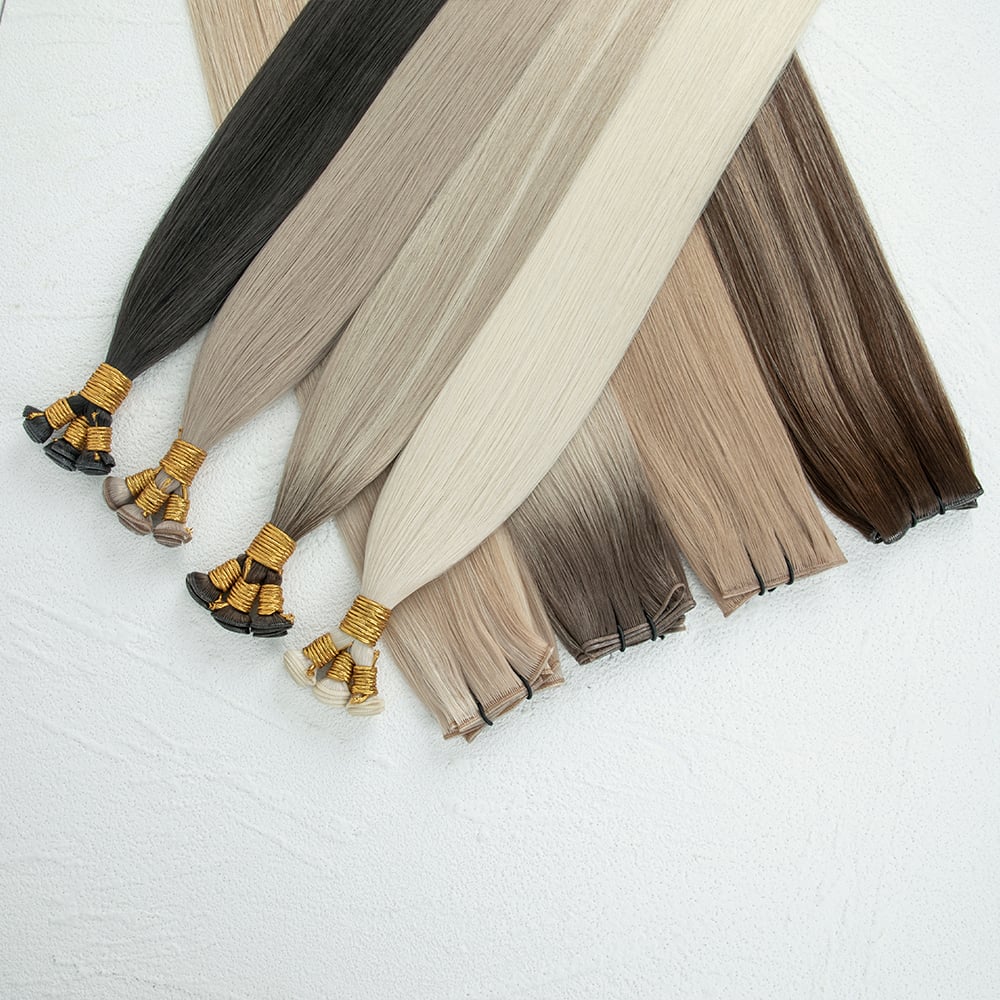
Achieving a seamless weft hair blending result requires precision, knowledge, and attention to detail at every stage of the application process. Whether you are a stylist working with clients or someone investing in weft hair extensions for personal use, understanding the fundamental steps that ensure weft hair blending matches your natural texture, tone, and movement is essential to creating an undetectable final look. The difference between a professional result and a noticeably artificial appearance often comes down to how carefully each step of weft hair blending is executed during preparation, installation, and styling.
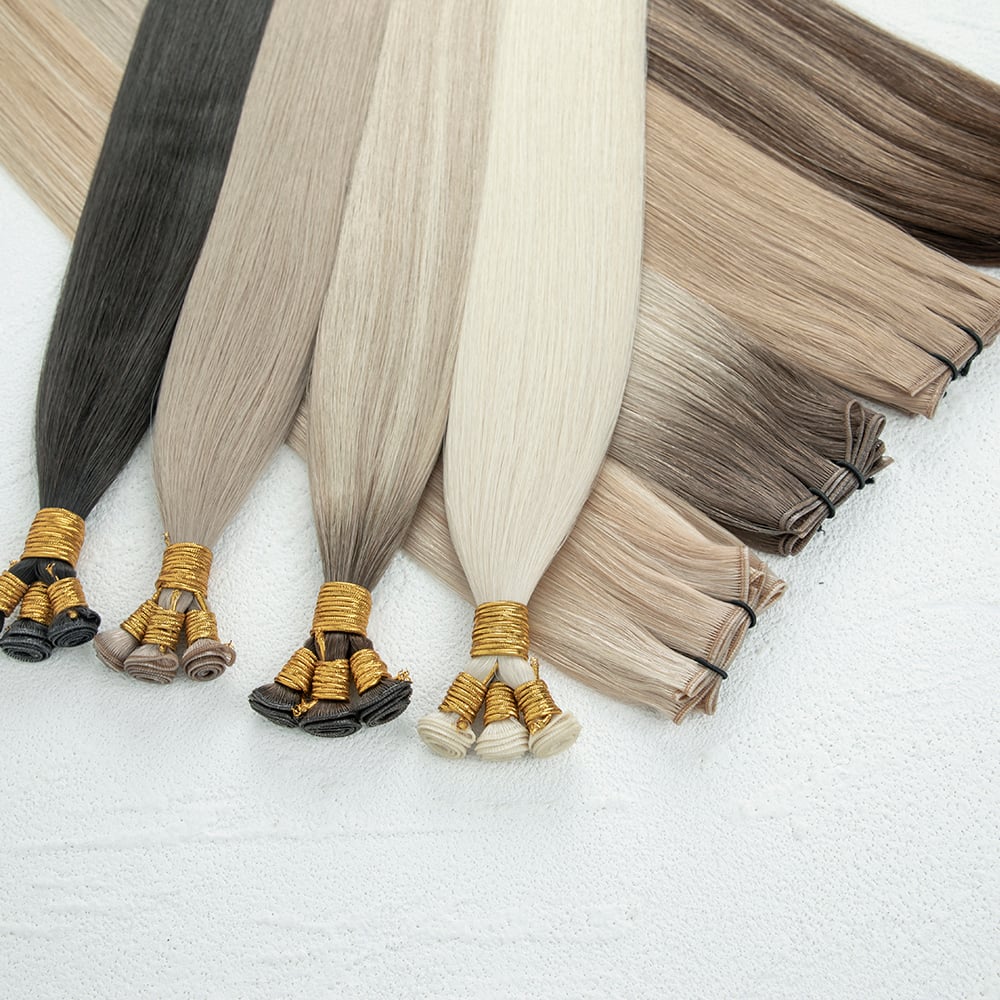
Successful weft hair blending depends on multiple factors working together in harmony. Your choice of weft hair quality, the placement strategy, the styling technique, and the ongoing maintenance all contribute to how well the extensions integrate with your natural hair. This guide walks you through each critical step that professional stylists and extension specialists follow to ensure weft hair blending produces results that look completely natural and feel comfortable for extended wear.
Selecting and Preparing the Right Weft Hair Extension
Matching Texture and Quality Standards
The foundation of excellent weft hair blending begins with selecting the correct extension type and quality. Weft hair extensions come in various textures, densities, and processing levels, and your choice must align with your natural hair characteristics. If your natural hair has a subtle wave pattern, choosing completely straight weft hair blending extensions will create an obvious mismatch regardless of how skillfully you apply them. High-quality weft hair extensions should feel soft, move naturally, and have a texture that closely mirrors your own hair when held side by side. The density of the weft hair blending product should also match the thickness of your natural hair to avoid creating bulky, obvious transitions.
Color Matching and Tone Assessment
Accurate color matching is non-negotiable for seamless weft hair blending. Many people underestimate how noticeable even a half-shade difference becomes under various lighting conditions. Professional weft hair blending requires holding samples of your natural hair against the extension hair in natural daylight, indoor light, and if possible, the specific environments where you will spend most time. If your natural hair has undertones of ash, warm gold, or cool platinum, your weft hair blending extensions must match those undertones precisely. Consider getting your natural hair professionally color-matched or having multiple weft hair blending samples sent for comparison before making a final purchase decision.
Strategic Placement and Installation Technique
Sectioning and Positioning for Invisible Seams
How you section your natural hair directly influences the visibility of weft hair blending seams. Stylists who achieve the best weft hair blending results use horizontal subsections starting from the nape of the neck and moving upward, creating thin, strategic rows where weft hair extensions will be placed. Each row should be positioned just above a natural hair section that will cover the weft tape or adhesive completely. The spacing between rows must be calculated so that your natural hair density sits above each weft hair blending installation point without creating gaps or exposing the attachment method. This placement strategy is what separates undetectable weft hair blending from obviously attached extensions.
Securing Extensions Without Damaging Natural Hair
During the installation phase of weft hair blending, the method you choose affects both the longevity of the extensions and the health of your natural hair. Tape-in weft hair blending uses double-sided adhesive to secure extensions directly to sectioned natural hair, while sew-in weft hair blending involves braiding cornrows and stitching the wefts onto these braids. Both methods, when executed correctly, can deliver excellent weft hair blending results. The key is ensuring that each weft placement is secure enough to withstand daily wear, styling, and washing, yet not so tight that it creates tension or breakage of your natural hair. Professional installers performing weft hair blending always leave adequate space between the weft and the scalp to prevent discomfort and allow your natural hair to grow without restriction.
Blending, Styling, and Maintenance Practices
Layering and Styling for Seamless Integration
Once your weft hair blending extensions are installed, strategic cutting and layering transform them from obviously attached pieces into a cohesive whole with your natural hair. A skilled stylist will cut both your natural hair and the weft hair blending extensions together, creating graduated layers that blend where the two meet. The face-framing pieces and top layers are especially critical in weft hair blending because they are the most visible and must flow naturally into the extensions below. Styling also plays a major role—soft waves or your natural texture will help conceal where weft hair blending transitions occur, while severely straight styles may make seams more apparent. Regular blow-drying and styling using heat tools helps the weft hair blending fibers assume the same shape and movement patterns as your natural hair.
Washing, Conditioning, and Long-Term Care
Maintaining weft hair blending extensions properly extends their lifespan and keeps the blend looking natural over time. Always use sulfate-free, extension-safe products when washing, as harsh chemicals can strip the protective coating from weft hair blending fibers and cause tangling. When shampooing, use cool or lukewarm water and apply gentle pressure moving downward from roots to ends, avoiding any twisting or wringing that might stress the weft tape or attachment points. Deep conditioning treatments and hair masks are particularly important for weft hair blending because the extensions receive no moisture from your scalp and can become dry and brittle without supplemental hydration. Between washes, use a lightweight leave-in conditioner spray on the weft hair blending sections to maintain shine and softness, which is crucial for making the blend between natural and extension hair appear seamless.
FAQ
How long does it typically take to see visible results after completing weft hair blending installation?
You should see the full effect of your weft hair blending immediately after installation and styling. However, it takes approximately two to three weeks of wear for your natural hair and the weft hair blending extensions to fully settle, blend, and achieve their optimal look together. During this break-in period, the tension of the weft hair blending attachments stabilizes, your natural hair adapts to the weight distribution, and you develop the styling routine that makes weft hair blending look most natural for your specific hair type and lifestyle.
Can weft hair blending work for all hair types and textures?
Yes, weft hair blending can work for virtually all hair types when the right extension texture and installation method are selected. The key to successful weft hair blending across different hair types is matching the extension texture to your natural hair as closely as possible and positioning the wefts strategically within your existing density. Curly, wavy, straight, fine, and thick hair all support excellent weft hair blending results when the extension product and installation approach are tailored to your specific characteristics.
What is the typical lifespan of weft hair blending extensions?
Well-maintained weft hair blending extensions typically last between four and eight weeks before requiring repositioning or replacement. The exact timeline depends on how quickly your natural hair grows, how often you style and wash your hair, and the quality of the weft hair blending product you chose. High-quality extensions and consistent professional maintenance can extend this timeline, while poor care practices will shorten it significantly.