 EN
EN
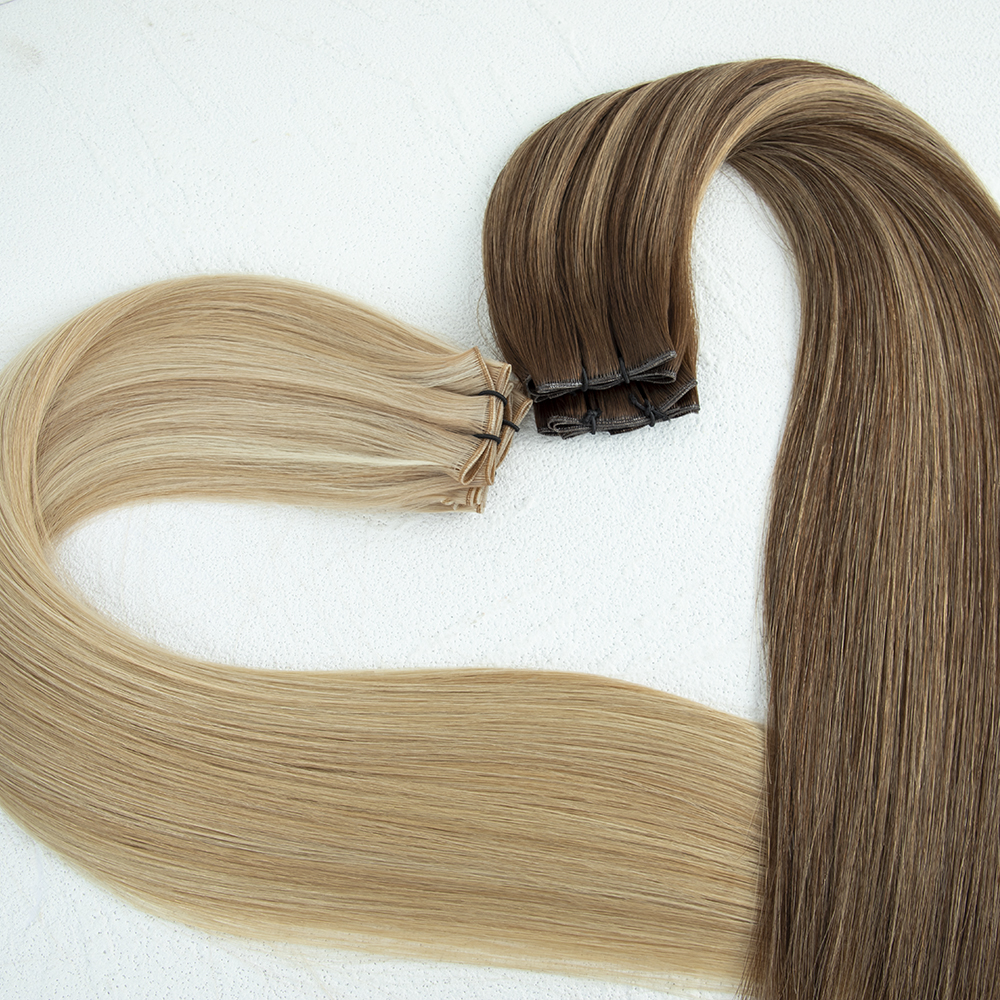
Selecting the right hair extensions weft is one of the most critical decisions you'll make when investing in hair extensions. Whether you're a stylist, salon owner, or individual considering extensions, understanding weft construction, quality standards, and application methods directly impacts the longevity, appearance, and comfort of your extension system. Many people rush into choosing hair extensions weft without understanding the fundamental differences between weft styles, materials, and manufacturing processes, only to discover later that their investment didn't meet their expectations or budgetary needs.
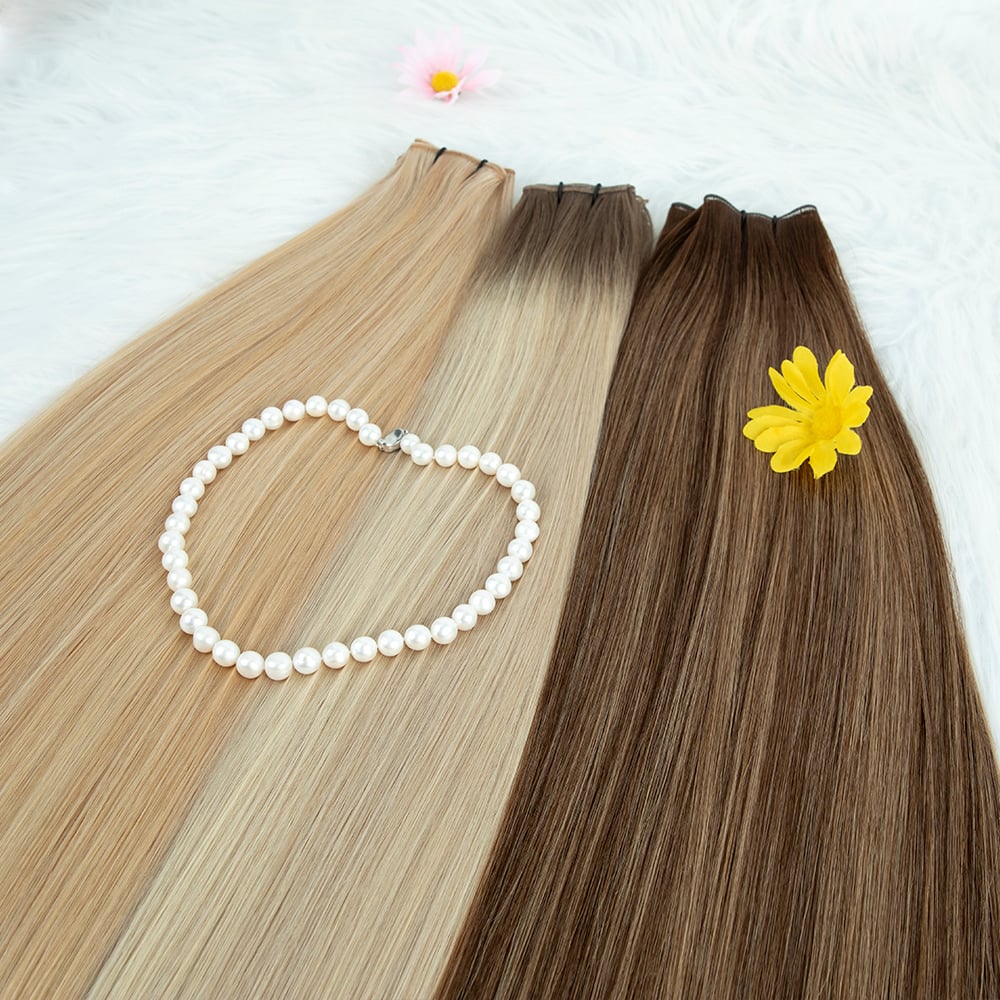
This comprehensive guide walks you through the essential knowledge you need before making your hair extensions weft purchase decision. From understanding weft construction methods to evaluating quality markers and determining which weft type suits your lifestyle and styling goals, we cover the practical insights that will help you choose hair extensions weft confidently and avoid costly mistakes.
Understanding Weft Construction and Methods
Hand-Tied Weft Versus Machine-Made Weft
The foundation of any hair extensions weft begins with how the weft is constructed. Hand-tied weft, also called hand-stitched weft, involves skilled technicians manually tying individual hair strands onto a thin thread or string base. This method creates a thinner, more flexible weft that mimics natural hair movement and creates an undetectable appearance when properly installed. Hand-tied hair extensions weft offers superior comfort because the weft sits flatter against the scalp and causes less tension on natural hair.
Machine-made weft, conversely, uses automated equipment to secure hair strands onto a pre-formed weft base, which can be thicker and less flexible than hand-tied alternatives. While machine-made hair extensions weft typically costs less and may be constructed more quickly, this method sometimes produces a bulkier weft that creates visible bumps or tangles more easily. Understanding this fundamental difference helps you assess whether the lower price of machine-made hair extensions weft justifies potential compromises in comfort and aesthetic results.
Invisible Weft and Specialty Weft Formats
Invisible hair extensions weft represents a premium construction method designed to disappear completely against the scalp. These specialized hair extensions weft products use ultra-thin, transparent, or nearly invisible bases that eliminate the telltale ridge many people associate with extensions. Invisible hair extensions weft works exceptionally well for clients with thin natural hair, sensitive scalps, or those who wear their hair in tight styles that expose the extension area.
Specialty weft formats include genius weft, which combines the benefits of hand-tied construction with innovative weft technology to create a lightweight, flexible base that allows natural scalp movement. When choosing hair extensions weft, consider whether the weft will remain hidden under your typical hairstyles and how much movement and flexibility you need from the base.
Quality Indicators and Material Assessment
Hair Quality and Fiber Type
The quality of human hair used in your hair extensions weft dramatically affects durability, appearance, and styling versatility. Remy hair represents the highest quality standard for hair extensions weft, where all strands remain aligned in the same direction with the cuticle intact, preventing tangling and maintaining shine. Non-Remy hair extensions weft uses hair where the cuticle direction may be reversed or stripped, resulting in more tangling and a shorter lifespan, though it typically costs significantly less.
Virgin human hair, which has never been chemically processed, offers the ultimate quality in hair extensions weft products. This hair accepts color, heat, and styling better than processed alternatives and maintains its health through many more styling cycles. When comparing hair extensions weft options, prioritize understanding the hair grade, sourcing practices, and processing methods, as these factors determine whether your extensions will blend seamlessly with your natural hair and withstand regular styling.
Weft Base Material and Durability
The material composing your hair extensions weft base significantly impacts durability and comfort. Premium hair extensions weft often uses polyurethane or silicone-based bases that remain flexible, resistant to water damage, and comfortable against the scalp throughout the wear period. Lower-quality hair extensions weft might utilize cheaper materials that become brittle, uncomfortable, or deteriorate when exposed to moisture and heat styling.
Examine whether your hair extensions weft will maintain flexibility after exposure to water, sweat, chlorine, and repeated heat styling. A strong weft base ensures your investment lasts longer and maintains its integrity through frequent wear and maintenance routines. Ask suppliers whether their hair extensions weft has been tested for durability under real-world conditions and whether the weft retains its flexibility after extended use.
Practical Selection and Application Considerations
Weight and Comfort for Extended Wear
The total weight of your chosen hair extensions weft affects comfort during all-day wear. Lighter hair extensions weft products reduce strain on natural hair, scalp tension, and neck fatigue, making them ideal for those planning to wear extensions frequently or for extended periods. Heavier hair extensions weft installations may create discomfort, especially for people with fine or thinning natural hair that struggles to support the additional weight.
When evaluating hair extensions weft options, request specific weight measurements and compare them against your natural hair thickness and density. Professional stylists can help determine whether your hair structure can comfortably support your desired volume and length without requiring reinforcement or causing long-term damage. Test hair extensions weft samples when possible to experience the actual weight and comfort level before committing to a full installation.
Installation Method and Maintenance Requirements
Different hair extensions weft types require different installation approaches and maintenance protocols. Sew-in hair extensions weft involves creating cornrow braids and stitching the weft onto them, offering security and longevity. Tape-in hair extensions weft uses adhesive strips for quick installation and easier adjustment, though it requires more frequent maintenance to prevent adhesive deterioration. Clip-in hair extensions weft provides temporary, removable options for styling flexibility but demands careful storage and regular conditioning.
Before selecting your hair extensions weft, understand the time commitment, skill level, and ongoing costs associated with installation and maintenance. Some hair extensions weft methods require professional installation every 6–8 weeks, while others allow longer intervals between appointments. Choose hair extensions weft that aligns with your lifestyle, budget, and willingness to commit to proper care routines that keep your extensions healthy and beautiful.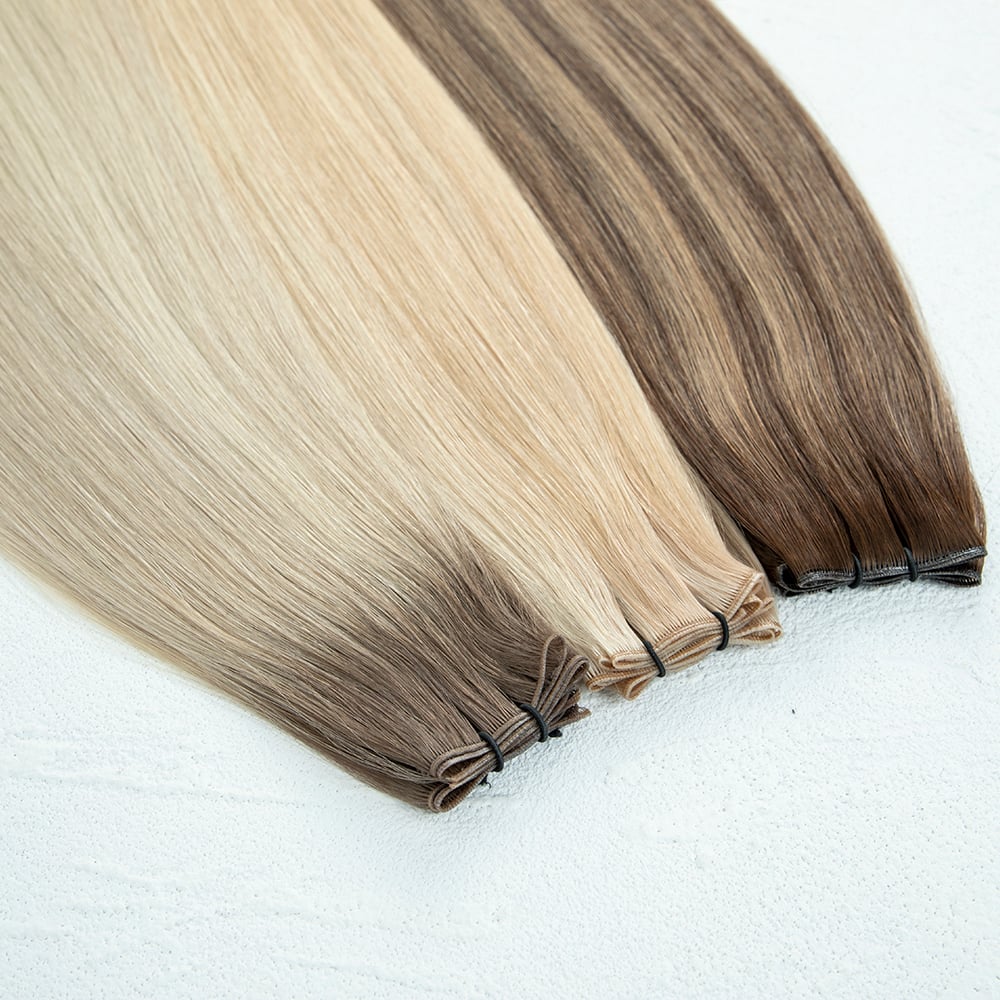
FAQ
How long do hair extensions weft typically last?
The lifespan of quality hair extensions weft depends heavily on hair grade, weft construction, installation method, and maintenance consistency. Premium Remy or virgin human hair hair extensions weft often lasts 6–12 months or longer with proper care, while lower-quality hair extensions weft may show significant deterioration within 3–4 months. Regular conditioning, gentle handling, and avoiding excessive heat exposure significantly extend the life of your hair extensions weft investment.
What's the price difference between hand-tied and machine-made hair extensions weft?
Hand-tied hair extensions weft typically costs 30–50% more than machine-made alternatives due to skilled labor, superior construction quality, and the time investment required. While machine-made hair extensions weft offers budget-friendly options, the additional longevity, comfort, and aesthetic benefits of hand-tied hair extensions weft often justify the higher initial investment for those planning extended wear or professional use.
Can hair extensions weft be colored or heat-styled?
Genuine Remy or virgin human hair hair extensions weft can be colored, heat-styled, and treated similarly to natural hair, making it versatile for matching your desired look. Non-Remy or synthetic hair extensions weft has significant styling limitations and may not accept color or heat without damage. Before purchasing hair extensions weft, confirm the hair type and ask the supplier whether your chosen product supports the styling methods you'll use regularly.