 EN
EN
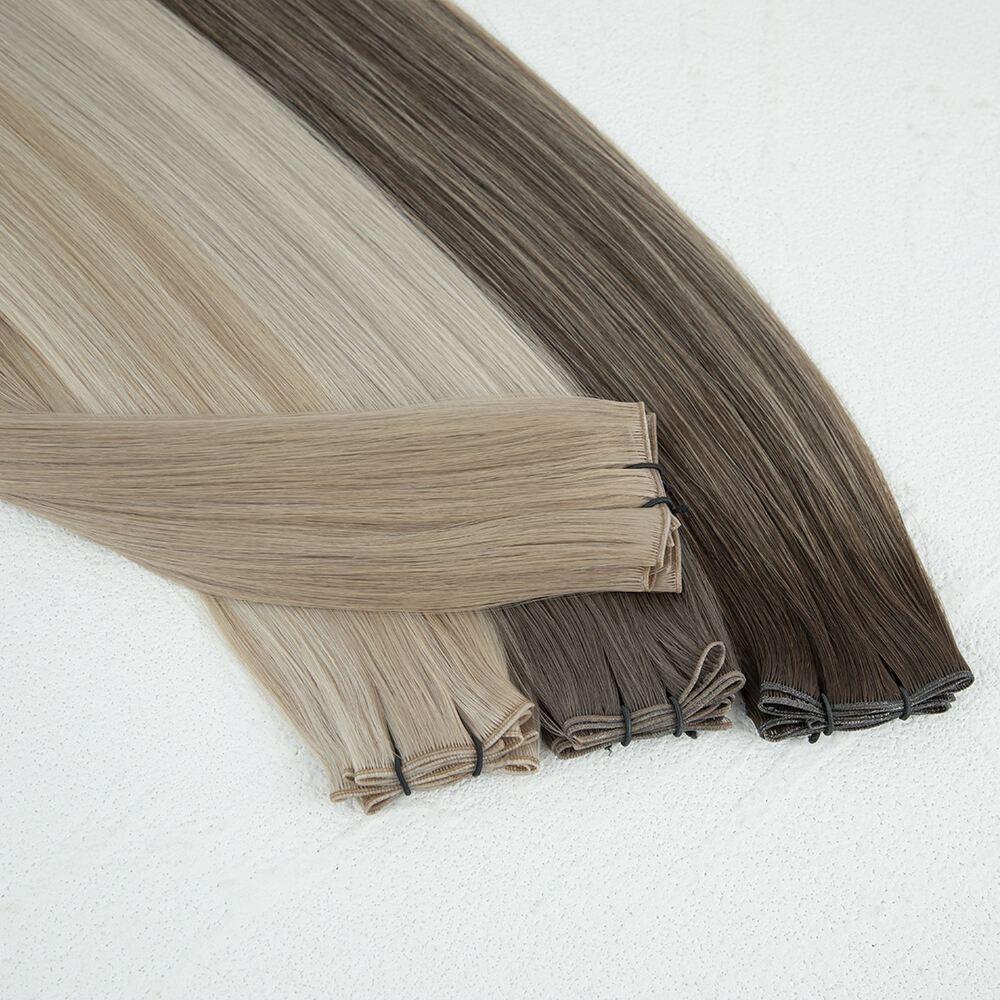
Achieving beautiful, voluminous hair with tape in extensions human hair is only half the journey—proper maintenance determines whether your investment delivers months of flawless wear or disappoints within weeks. Many clients invest in premium tape in extensions human hair expecting effortless beauty, yet without understanding the specific care protocols required, they encounter premature shedding, tangling, or adhesive failure. The longevity of your tape in extensions human hair depends entirely on how you manage daily care routines, product selection, and professional maintenance intervals. This comprehensive guide reveals the precise techniques and strategies that ensure your tape in extensions human hair remain secure, lustrous, and natural-looking throughout their entire lifespan, protecting both your aesthetic goals and financial investment.
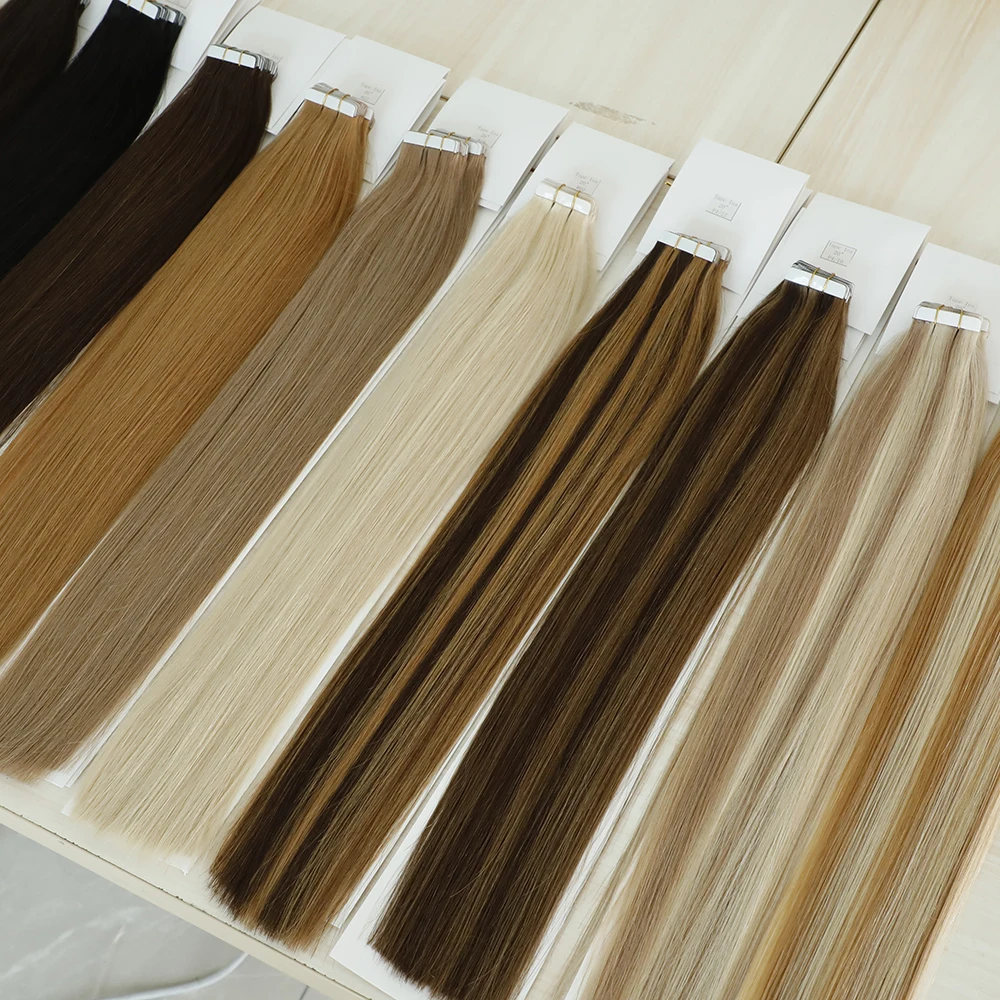
Understanding how to maintain tape in extensions human hair requires recognizing that these systems differ fundamentally from traditional weft or clip-in methods. The adhesive bond between your natural hair and the tape in extensions human hair creates a semi-permanent attachment that demands specialized care to preserve both the tape's integrity and your biological hair's health. Unlike temporary extensions, tape in extensions human hair integrate closely with your scalp environment, exposing them to natural oils, sweat, styling products, and mechanical stress that can compromise the bond if not properly managed. The maintenance approach must balance keeping your natural hair and scalp healthy while protecting the adhesive seal and extension hair quality. This dual responsibility means that standard hair care routines require significant modification when you commit to wearing tape in extensions human hair, with specific attention to washing frequency, product formulation, styling temperature, and mechanical handling throughout every stage of wear.
Understanding the Lifespan Factors of Tape In Extensions Human Hair
How Adhesive Quality Determines Longevity
The adhesive technology used in tape in extensions human hair represents the critical foundation for extension longevity, with medical-grade polyurethane tapes offering superior hold compared to cheaper acrylic alternatives. High-quality tape in extensions human hair utilize adhesives specifically formulated to withstand moisture, heat, and oil exposure while maintaining flexibility that moves naturally with your hair. The molecular structure of premium adhesives creates a semi-permanent bond that resists breakdown from shampoo, conditioner, and styling products when properly maintained. Understanding your specific tape formulation helps you select compatible maintenance products—some adhesives weaken rapidly when exposed to oil-based treatments, while others demonstrate remarkable resilience. The adhesive layer thickness also impacts durability, with reinforced double-sided tapes in professional-grade tape in extensions human hair providing extended wear periods compared to thin single-layer options. Temperature sensitivity varies across adhesive types, making it essential to know your tape's heat tolerance before applying styling tools near the bond area.
Natural Hair Growth and Its Impact on Extension Stability
Your biological hair growth directly affects how long tape in extensions human hair maintain optimal positioning and comfort. As natural hair grows approximately half an inch per month, the tape bonds gradually move away from the scalp, creating visible gaps and reducing the mechanical support that keeps extensions secure. This growth phenomenon means that even perfectly maintained tape in extensions human hair require repositioning every six to eight weeks to prevent slippage and maintain aesthetic integration. The growth rate varies among individuals based on genetics, nutrition, and hormonal factors, requiring personalized maintenance schedules rather than universal timelines. Areas with faster growth, particularly around the nape and temples, may show earlier signs of loosening, necessitating strategic placement during initial application. The relationship between natural hair texture and extension grip also influences longevity—coarser hair textures typically provide better mechanical anchoring for tape in extensions human hair compared to extremely fine or silky strands that offer less surface friction.
Environmental and Lifestyle Influences on Extension Durability
External factors ranging from climate conditions to physical activity levels significantly impact how long your tape in extensions human hair maintain their optimal condition. High humidity environments accelerate adhesive breakdown by introducing moisture between the tape layers, while extremely dry climates can make both natural hair and extension hair brittle and prone to breakage. Chlorinated pool water and saltwater exposure present particularly harsh challenges for tape in extensions human hair, with chemical and mineral content attacking both the adhesive bonds and hair cuticle structure. Your occupation and recreational activities also determine maintenance requirements—individuals with active lifestyles involving frequent perspiration need more rigorous cleansing routines to prevent oil and salt buildup around tape bonds. Sun exposure gradually degrades both adhesive compounds and hair protein structures, making UV protection essential for those spending extended time outdoors. Indoor heating and air conditioning systems create environmental stress through rapid humidity fluctuations that can compromise tape adhesion over time.
Establishing Proper Washing Protocols for Extended Wear
Optimal Washing Frequency and Technique
Determining the correct washing frequency for tape in extensions human hair requires balancing cleanliness with adhesive preservation, typically settling on two to three times weekly rather than daily washing. Excessive washing exposes the adhesive to repeated moisture and mechanical stress, accelerating bond degradation and shortening the interval between necessary maintenance appointments. The washing technique itself matters as much as frequency—always wash hair in a downward motion from roots to ends, avoiding circular scrubbing motions that create tangling and place lateral stress on tape bonds. Before wetting your hair, gently detangle using a wide-tooth comb or specialized extension brush, working from ends upward to prevent pulling on attachment points. Water temperature should remain lukewarm rather than hot, as excessive heat can soften adhesive compounds and compromise their holding strength. When applying shampoo, focus on the scalp and root area where natural oils accumulate, allowing the cleanser to rinse through the lengths rather than directly scrubbing the tape in extensions human hair themselves.
Product Selection for Adhesive-Safe Cleansing
Choosing appropriate hair care products represents one of the most critical maintenance decisions for preserving tape in extensions human hair longevity. Sulfate-free shampoos prevent the aggressive stripping action that can degrade adhesive bonds and dry out extension hair, while alcohol-free formulations avoid the brittleness and breakage associated with repeated alcohol exposure. Oil-free or light-oil formulations are essential near the tape attachment zones, as heavy oils and conditioning agents can seep between adhesive layers and cause slippage. Many professional extension lines offer specifically formulated maintenance products designed to cleanse effectively while preserving adhesive integrity. When reading product labels, avoid formulations containing mineral oil, coconut oil, argan oil, or other penetrating oils in concentrations that might compromise tape bonds. Clarifying shampoos should be used sparingly and only on the natural hair sections away from tape attachments, as their aggressive cleansing action can deteriorate adhesives rapidly. The pH balance of your selected products also matters, with neutral to slightly acidic formulations supporting both cuticle health and adhesive stability better than highly alkaline options.
Conditioning Strategies That Protect Tape Bonds
Proper conditioning of tape in extensions human hair requires strategic application that nourishes hair while avoiding adhesive contamination. Apply conditioner only from mid-shaft to ends, maintaining at least two inches of clearance from the tape attachment points to prevent product seepage into the adhesive layer. The conditioning product should remain on hair for only the recommended duration rather than extended periods that increase the risk of upward product migration toward tape bonds. When rinsing conditioner, use thorough water flow to ensure complete product removal, as residue buildup around attachment sites creates a barrier that weakens adhesive grip over time. Deep conditioning treatments offer intensive nourishment for extension hair but require extra caution regarding application zones and rinsing protocols. Leave-in conditioners and detangling sprays should be lightweight, non-oil-based formulations that provide manageability without compromising adhesive security. For particularly dry or damaged tape in extensions human hair, consider applying intensive conditioning treatments as a pre-shampoo mask on the lengths and ends, allowing you to thoroughly cleanse it away before it can affect tape bonds.
Implementing Daily Care Routines for Maximum Longevity
Proper Brushing and Detangling Methods
Daily brushing of tape in extensions human hair demands specific techniques that prevent tension on attachment points while maintaining smoothness and preventing matting. Use brushes specifically designed for extensions, featuring flexible bristles that glide through hair without catching on tape bonds or creating excessive pull. Always begin brushing at the ends and gradually work upward in small sections, never starting at the roots and dragging downward in a manner that places direct stress on tape attachments. Hold hair sections firmly above the tape bonds while brushing below to prevent pulling force from transferring to the attachment points. Brush your tape in extensions human hair at least twice daily—morning and evening—to prevent tangling and matting that becomes progressively more difficult to resolve without damaging hair. Pay particular attention to the nape area and behind the ears where friction from clothing and sleeping positions creates increased tangling risk. When encountering resistant tangles, apply a small amount of lightweight detangling spray to the affected area and gently work through the knot with your fingers before attempting to brush, preventing the aggressive pulling that can dislodge tape bonds or break extension hair.
Nighttime Protection Protocols
Establishing a consistent nighttime routine dramatically extends the lifespan of tape in extensions human hair by minimizing friction, tangling, and mechanical stress during sleep hours. Before bed, thoroughly brush your hair and create a loose braid or low ponytail that keeps hair contained without placing tension on tape attachment points. Avoid tight hairstyles that pull on the roots or create concentrated pressure on specific tape bonds throughout the night. Sleeping on a silk or satin pillowcase reduces friction compared to cotton fabrics, preventing the rough texture that causes tangling and cuticle damage to both natural hair and tape in extensions human hair. For those who move frequently during sleep, consider a silk sleep cap or bonnet that fully protects hair from contact with bedding materials. Never sleep with wet or damp tape in extensions human hair, as the prolonged moisture exposure softens adhesives and creates an environment conducive to mildew development and bond weakening. The combination of moisture and friction during sleep represents one of the most damaging scenarios for extension longevity, making complete drying before bed non-negotiable for maintenance success.
Managing Heat Styling Without Compromising Adhesive Integrity
Heat styling tools can be used safely on tape in extensions human hair when following temperature guidelines and application techniques that protect both hair quality and adhesive bonds. Always apply a heat protectant product to dry hair before using any thermal styling tool, creating a barrier that reduces direct heat damage to the hair cuticle structure. Keep styling tool temperatures below 350 degrees Fahrenheit when working with tape in extensions human hair, as higher temperatures risk melting or degrading the adhesive compounds. Maintain at least one inch of clearance between hot tools and tape attachment points, never applying direct heat to the bond area that could soften adhesive or damage the tape backing. When using flat irons, work in smooth, continuous passes rather than clamping and holding in one position, which concentrates heat and increases damage risk. Curling irons should be used primarily on the lengths and ends of tape in extensions human hair rather than near the roots where tape bonds are located. Air drying remains the gentlest option for preserving both extension hair quality and adhesive longevity, with blow drying on cool or low heat settings offering a faster alternative that minimizes thermal stress compared to high heat exposure.
Recognizing and Addressing Common Maintenance Challenges
Identifying Early Signs of Adhesive Weakening
Learning to recognize the subtle indicators that tape in extensions human hair require professional attention prevents minor issues from escalating into complete bond failure or hair damage. Visible gaps between the tape bond and scalp indicate natural hair growth has progressed to a point requiring repositioning, typically appearing around the six-week mark depending on individual growth rates. Slight sliding or movement of tape wefts when gently tugged suggests adhesive degradation that needs immediate professional assessment before extensions slip entirely. Changes in how hair falls or reduced volume in specific areas may indicate that some tape in extensions human hair have loosened or detached, requiring targeted reattachment. Increased tangling or matting near tape bonds often signals that adhesive residue or product buildup has accumulated, creating a sticky surface that catches surrounding hair. Any discomfort, itching, or pulling sensations around attachment points should prompt immediate inspection, as these symptoms may indicate excessive tension, improper placement, or allergic reactions requiring professional intervention. White or cloudy appearance in the tape adhesive suggests moisture infiltration or product contamination that has compromised bond integrity.
Preventing and Resolving Tangling and Matting
Tangling represents one of the most common challenges with tape in extensions human hair, but understanding its causes enables effective prevention and resolution strategies. Inadequate brushing frequency allows shed hairs from your natural growth cycle to accumulate within the extension hair, creating progressive tangling that worsens over time. Product buildup from conditioners, styling products, or dry shampoo creates sticky residue that causes hair strands to adhere to each other and form mats, particularly around tape attachment areas. When tangling occurs, never attempt aggressive brushing or pulling that can damage both the extension hair and your natural hair or dislodge tape bonds. Instead, apply a lightweight detangling spray or diluted leave-in conditioner to the affected area and gently separate the tangle with your fingers, working from the outside edges inward. For severe matting, seek professional assistance rather than risking damage through aggressive home treatment attempts. Prevention remains far more effective than correction—maintaining consistent brushing routines, using appropriate products, and ensuring thorough rinsing during washing minimizes tangling risk. The junction points where tape bonds are located require particular attention during daily care, as these areas are most prone to developing mats from shed hair accumulation.
Managing Oiliness and Maintaining Freshness Between Washes
Balancing scalp health with tape in extensions human hair maintenance often involves managing natural oil production while extending time between washes to protect adhesive bonds. Dry shampoo becomes a valuable tool for absorbing excess oil and refreshing hair appearance, but must be applied carefully away from tape attachment zones to avoid product buildup that can compromise adhesive integrity. Focus dry shampoo application on the roots and scalp areas, using light dustings rather than heavy concentrations that leave visible residue. Allow dry shampoo to sit for several minutes to absorb oils before brushing through, ensuring proper product distribution and residue removal. For individuals with particularly oily scalps, strategic placement of tape in extensions human hair away from the most oil-prone zones during initial application can reduce maintenance challenges. Between washes, consider rinsing hair with plain water and minimal product, allowing you to refresh the scalp without subjecting tape bonds to full shampooing cycles. Blotting papers or oil-absorbing sheets designed for facial use can be gently pressed against the scalp to remove surface oils without disrupting hairstyles or tape attachments. Understanding your individual scalp oil production patterns enables you to time washing cycles optimally, cleansing when necessary while minimizing unnecessary exposure to moisture and cleansing agents.
Professional Maintenance and Long-Term Care Planning
Scheduling Appropriate Maintenance Appointments
Regular professional maintenance represents the cornerstone of achieving maximum longevity from tape in extensions human hair, with strategic appointment timing preventing damage and maintaining optimal appearance. Most tape in extensions human hair require repositioning every six to eight weeks as natural hair growth moves the bonds away from the scalp, though individual variation in growth rates may necessitate slightly earlier or later timing. During maintenance appointments, professionals remove existing tapes, cleanse both your natural hair and the extension wefts, and reapply fresh adhesive at the proper position near the scalp. Attempting to extend wear beyond recommended intervals risks visible gaps, increased tangling, and potential matting that can damage your natural hair and require extensive correction. The condition of your tape in extensions human hair should be professionally assessed at each maintenance visit to determine whether the wefts can be reused or require replacement based on hair quality degradation. Building a relationship with a skilled extension specialist ensures consistent care approaches and allows the professional to track your hair's specific response patterns over multiple wear cycles. Booking your next maintenance appointment before leaving each session ensures schedule continuity and prevents the extended wear that compromises both extension quality and natural hair health.
Between-Service Home Care Optimization
The care you provide to tape in extensions human hair between professional maintenance appointments directly determines their longevity and your overall satisfaction with the extension experience. Maintaining detailed records of your care routine, including washing frequency, products used, and any challenges encountered, helps you identify patterns and optimize your approach over successive wear cycles. Periodically photographing your tape in extensions human hair from multiple angles creates visual documentation that helps you and your stylist assess how different care practices affect longevity and appearance. Store all extension-safe products in a designated area to prevent accidental use of incompatible formulations that could damage adhesive bonds or hair quality. Consider investing in professional-grade extension care tools, including specialized brushes, gentle hair ties, and protective accessories that minimize mechanical stress during daily wear. Educating family members or roommates about the special care requirements of tape in extensions human hair prevents well-intentioned but potentially damaging intervention. If you notice any concerning changes in how your tape in extensions human hair look, feel, or behave, contact your extension specialist for guidance rather than attempting home corrections that might worsen the situation.
Maximizing Value Through Proper Extension Reuse
High-quality tape in extensions human hair represent a significant investment that can be maximized through proper care enabling multiple reuse cycles. Premium extension hair maintains its integrity through several removal and reapplication cycles when consistently maintained according to professional guidelines. After professional removal, extension wefts should be thoroughly cleansed to remove all adhesive residue, natural oils, and product buildup before storage or reapplication. Proper storage between wears involves laying tape in extensions human hair flat in a cool, dry location away from direct sunlight, moisture, and temperature extremes. Some individuals maintain multiple sets of tape in extensions human hair on a rotation schedule, allowing each set adequate rest time between wear cycles while maintaining continuous coverage. The decision to reuse tape in extensions human hair versus purchasing new wefts depends on the hair quality assessment during maintenance appointments, with factors including cuticle condition, hair elasticity, and overall texture determining reusability. Generally, premium remy human hair tape in extensions human hair can be successfully reused three to five times with proper care, while lower quality options may show significant degradation after a single wear cycle. Investing initially in superior quality tape in extensions human hair proves more economical over time compared to repeatedly purchasing cheaper alternatives that cannot withstand multiple reuse cycles.
FAQ
How often should I wash my tape in extensions human hair?
You should wash tape in extensions human hair approximately two to three times per week, significantly less frequently than you might wash natural hair alone. This reduced washing frequency protects the adhesive bonds from excessive moisture exposure while still maintaining adequate cleanliness and scalp health. The exact ideal frequency depends on your individual scalp oil production, activity level, and environmental exposure, but daily washing should be avoided as it accelerates adhesive breakdown and shortens the time between necessary professional maintenance appointments. Focus on using dry shampoo and other refresh techniques between full washing sessions to extend the interval while maintaining a fresh appearance.
Can I swim with tape in extensions human hair?
Swimming with tape in extensions human hair is possible but requires specific precautions to minimize damage from chlorine, salt water, and prolonged moisture exposure. Before entering water, thoroughly wet your hair with clean tap water and apply a leave-in conditioner to the lengths and ends, creating a protective barrier that reduces chemical and mineral absorption. Keep your head above water when possible, or wear a swimming cap for maximum protection during extended water activities. Immediately after swimming, rinse your tape in extensions human hair thoroughly with fresh water to remove chlorine or salt residue, then wash with a gentle, sulfate-free shampoo and condition the lengths. Completely dry your hair as soon as possible rather than allowing prolonged dampness that can weaken adhesive bonds, and avoid swimming during the first forty-eight hours after tape application when adhesive bonds are still fully curing.
What should I do if my tape in extensions human hair start slipping?
If you notice your tape in extensions human hair beginning to slip or loosen, schedule an immediate appointment with your extension specialist rather than attempting home repairs that could cause further damage. Continuing to wear loosening extensions risks creating tension on your natural hair, causing breakage or even traction alopecia in severe cases. Avoid using additional adhesive products or tape purchased from retail sources, as these are rarely compatible with professional extension systems and may create removal difficulties or damage. In the interim before your professional appointment, style your hair in ways that minimize visibility of any gaps or loosening, such as strategic parting or gentle updos that don't place additional stress on compromised bonds. Slipping can result from various causes including natural hair growth, adhesive degradation, product contamination, or excessive oil exposure, and your professional can assess the specific cause and provide appropriate correction while advising on prevention strategies for future wear cycles.
How long can tape in extensions human hair last with proper maintenance?
With proper maintenance, a single installation of tape in extensions human hair typically lasts six to eight weeks before requiring professional repositioning due to natural hair growth moving the bonds away from the scalp. However, the actual extension hair wefts themselves can be reused multiple times when consistently maintained according to professional care guidelines, with premium quality tape in extensions human hair potentially lasting through three to five reapplication cycles spanning six to twelve months of total wear time. The longevity depends heavily on initial hair quality, consistent adherence to proper care protocols, regular professional maintenance, and individual factors like natural hair growth rate and lifestyle demands. Extensions that receive meticulous daily care, appropriate product selection, and timely professional attention invariably outlast those subjected to harsh treatment, incompatible products, or delayed maintenance, making your personal care commitment the primary determinant of extension lifespan and value realization.