 EN
EN

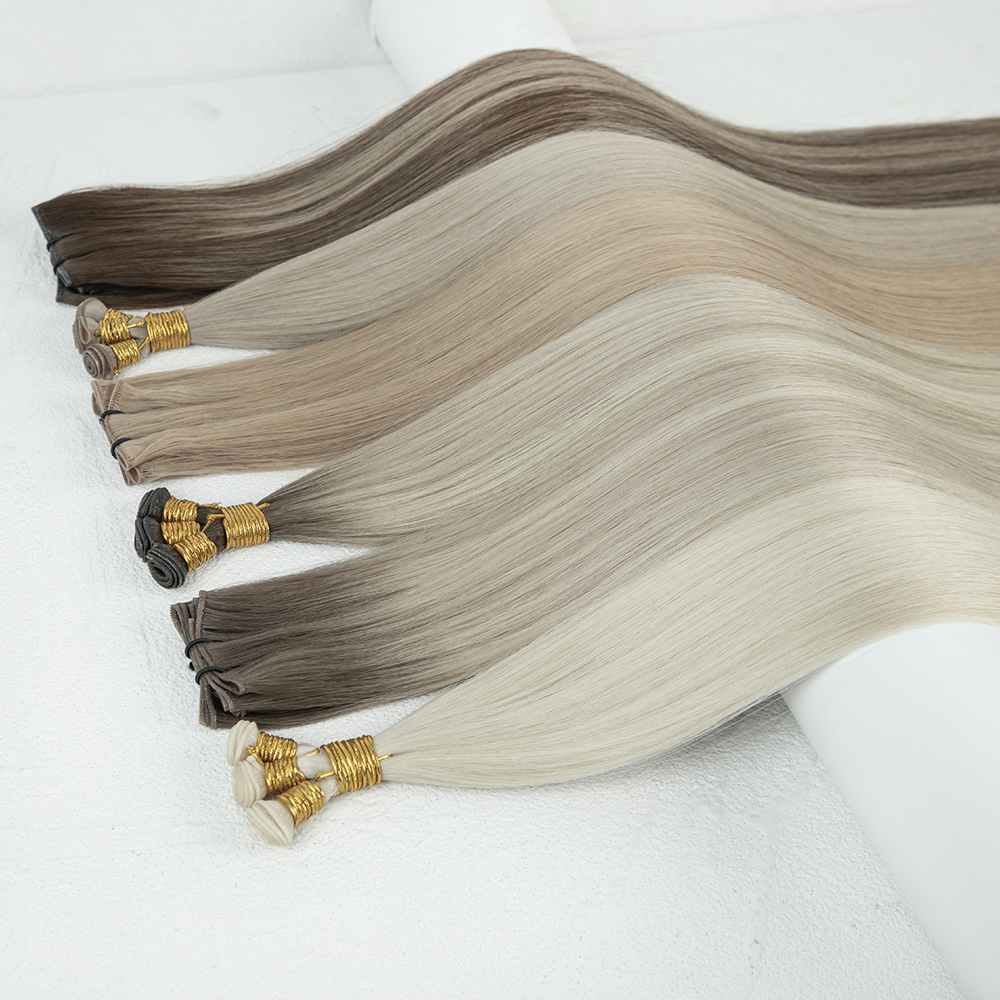
Selecting the right supplier for weft hair extensions human hair is one of the most critical decisions you'll make in the hair extension business. The quality, reliability, and pricing of your supplier directly impact your salon's reputation, profit margins, and client satisfaction. Whether you're just starting out or scaling an established business, understanding how to evaluate and compare weft hair extensions human hair suppliers requires a systematic approach that goes beyond price alone. This guide walks you through the essential criteria, evaluation methods, and practical strategies to identify suppliers who deliver consistent quality and reliable partnership.
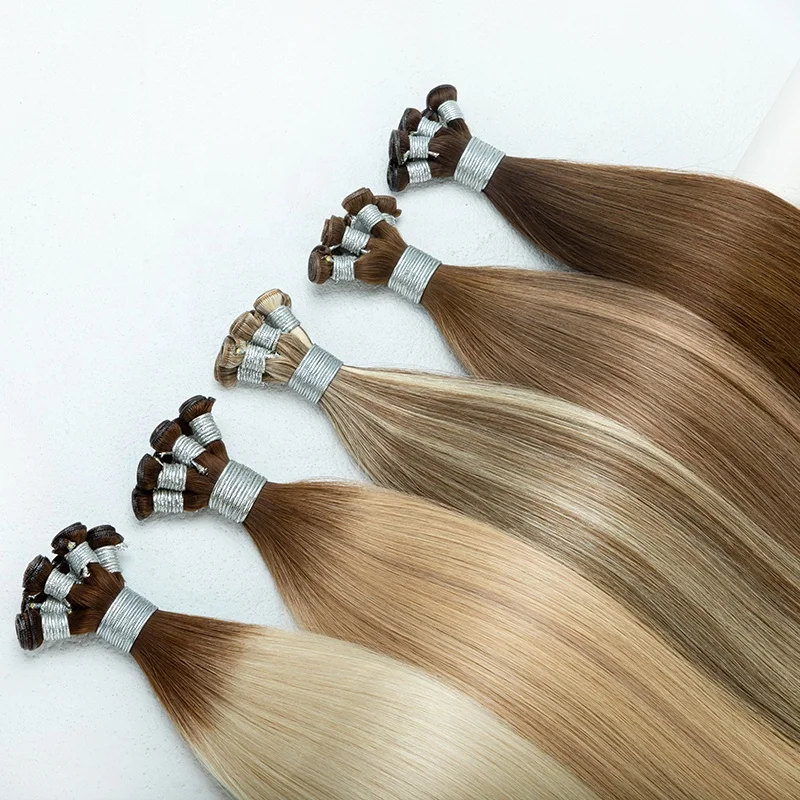
The hair extension market offers numerous suppliers with varying levels of expertise, product quality, and customer service. Not all suppliers are created equal, and a supplier that works well for one salon may not be ideal for another. Your comparison process should account for your specific business model, client demographics, installation techniques, and growth trajectory. By following a structured evaluation framework, you can narrow down options, avoid costly mistakes, and build long-term relationships with suppliers who truly understand your needs and deliver consistent results.
Understanding Supplier Categories and Product Specifications
Core Product Differentiation
Hand-tied weft hair extensions represent a premium category within the weft market, known for their lightweight construction and natural-looking application. When comparing suppliers, first clarify the specific type of weft construction they offer. Some suppliers specialize exclusively in hand-tied weft hair extensions, while others provide machine-wefted options at lower price points. Understanding the difference is essential because hand-tied weft hair extensions command higher prices but deliver superior aesthetic results and longer wear time. Ask each supplier for detailed specifications about their weft density, hair weight per bundle, and construction methodology. Request samples to physically assess the weft quality, knot tightness, and overall durability before making a commitment.
Hair Quality and Sourcing Standards
Human hair sourcing varies significantly across suppliers, affecting both product performance and pricing. Compare suppliers on their hair sourcing practices, including whether they source from single donors or blended batches, their remy versus non-remy classification, and their hair processing methods. Premium suppliers maintain strict quality control throughout the supply chain, testing hair for tensile strength, cuticle alignment, and color consistency. Request certificates of authenticity and ask about their quality assurance processes. Different suppliers may also specialize in different hair textures and origins, so consider whether they can consistently supply the specific hair types your clients prefer, whether that's Indian, Brazilian, Peruvian, or other varieties.
Evaluating Installation Methods and Technical Support
Sew-In Weft Hair Installation Capabilities
Sew-in weft hair installation remains the most common application method, and comparing suppliers' support for this technique is crucial. Evaluate whether suppliers provide detailed installation guides, pre-cut weft options, and compatible materials like thread and needles. Some suppliers offer pre-cut weft sheets in standard lengths, while others provide full rolls requiring in-salon customization. Discuss sew-in weft hair installation best practices with each supplier to understand their recommended techniques, tension guidelines, and expected installation time. Suppliers who invest in comprehensive installation education and provide clear documentation demonstrate a commitment to supporting salon success. Request access to instructional resources, video tutorials, or live training sessions to ensure your team can install their products safely and efficiently.
Human Hair Weft Application Methods Beyond Installation
Beyond basic sew-in application, superior suppliers educate clients on human hair weft application methods that extend product lifespan and maintain client satisfaction. Compare suppliers' guidance on application spacing, tension management, scalp protection, and maintenance protocols. Some suppliers provide proprietary application methods or recommend specific techniques for different hair types and head shapes. Ask suppliers about their research into optimal application methods and whether they invest in ongoing training for salon partners. Suppliers offering comprehensive human hair weft application methods support ensure better client outcomes, reduce installation complications, and build loyalty through demonstrated expertise and partnership approach.
Comparing Cost Structure and Business Terms
Pricing Transparency and Volume Discounts
Cost comparison requires understanding the full pricing picture, not just per-bundle prices. Request detailed pricing sheets showing costs for different bundle weights, weft types, and hair qualities. Compare how suppliers structure volume discounts and minimum order quantities, as these significantly impact cash flow and inventory management. Some suppliers offer tiered pricing that improves significantly at higher volumes, while others maintain consistent pricing regardless of order size. Calculate your effective cost per application based on typical usage patterns. Consider whether suppliers offer bulk pricing incentives, seasonal promotions, or loyalty programs. Transparent suppliers clearly explain their pricing rationale and help you understand the value proposition at each price point, rather than simply undercutting competitors without justification.
Payment Terms and Minimum Order Requirements
Evaluate each supplier's payment terms, including deposit requirements, payment methods accepted, and return policies. Compare minimum order quantities across suppliers to understand whether they accommodate small salons or require larger commitments. Some suppliers offer flexible payment terms like net-30 or net-60 invoicing for established partners, while others require upfront payment. Minimum order requirements can range from modest quantities to full cases, significantly affecting small businesses. Assess whether suppliers' payment flexibility aligns with your cash flow situation and growth stage. Additionally, compare return and exchange policies for defective products or incorrect orders, as these protect your investment and operational continuity.
FAQ
What distinguishes premium hand-tied weft hair extensions from standard wefted options?
Hand-tied weft hair extensions feature individually hand-tied knots that secure hair strands to a thin, flexible weft base, creating a lightweight and natural-looking application. Premium hand-tied weft hair extensions typically use finer weft material, tighter knots, and higher-quality human hair compared to machine-wefted alternatives. The hand-tying process allows for more precise control over hair density and weight distribution, resulting in products that blend seamlessly with natural hair and last longer through multiple installations. While hand-tied options command premium pricing, many salons justify the cost through superior client satisfaction, longer product lifespan, and reduced installation complications.
How do installation differences between suppliers affect sew-in weft hair installation outcomes?
Different suppliers design their wefts with varying thicknesses, knot patterns, and pre-cut configurations that directly impact sew-in weft hair installation efficiency and results. Some suppliers provide pre-cut weft sheets in standard lengths, reducing salon preparation time, while others offer full rolls requiring in-salon customization. Weft thickness affects how much needle pressure is required during installation and how securely the thread holds the weft to cornrows. Supplier quality influences whether installations hold securely without slipping, whether clients experience scalp discomfort, and how long applications last before reapplication becomes necessary. Comparing suppliers' technical specifications and installation support helps you select products that align with your team's technical skill level and installation preferences.
What red flags should I watch for when evaluating human hair weft suppliers?
Warning signs include suppliers who cannot provide detailed product specifications or quality certifications, who refuse to provide product samples before bulk orders, who offer prices significantly below market rates without clear justification, and who lack responsive customer service. Be cautious of suppliers with limited installation guidance, unclear policies on defective products, or unreliable shipping and delivery records. Suppliers who pressure you into large orders or lock you into exclusive agreements may not have your business interests in mind. Red flags also include human hair weft application methods guidance that contradicts established industry standards or suppliers who cannot clearly explain their sourcing practices and quality control processes. Trustworthy suppliers welcome detailed questions, provide transparent information, and demonstrate genuine interest in your business success beyond a single transaction.