 EN
EN
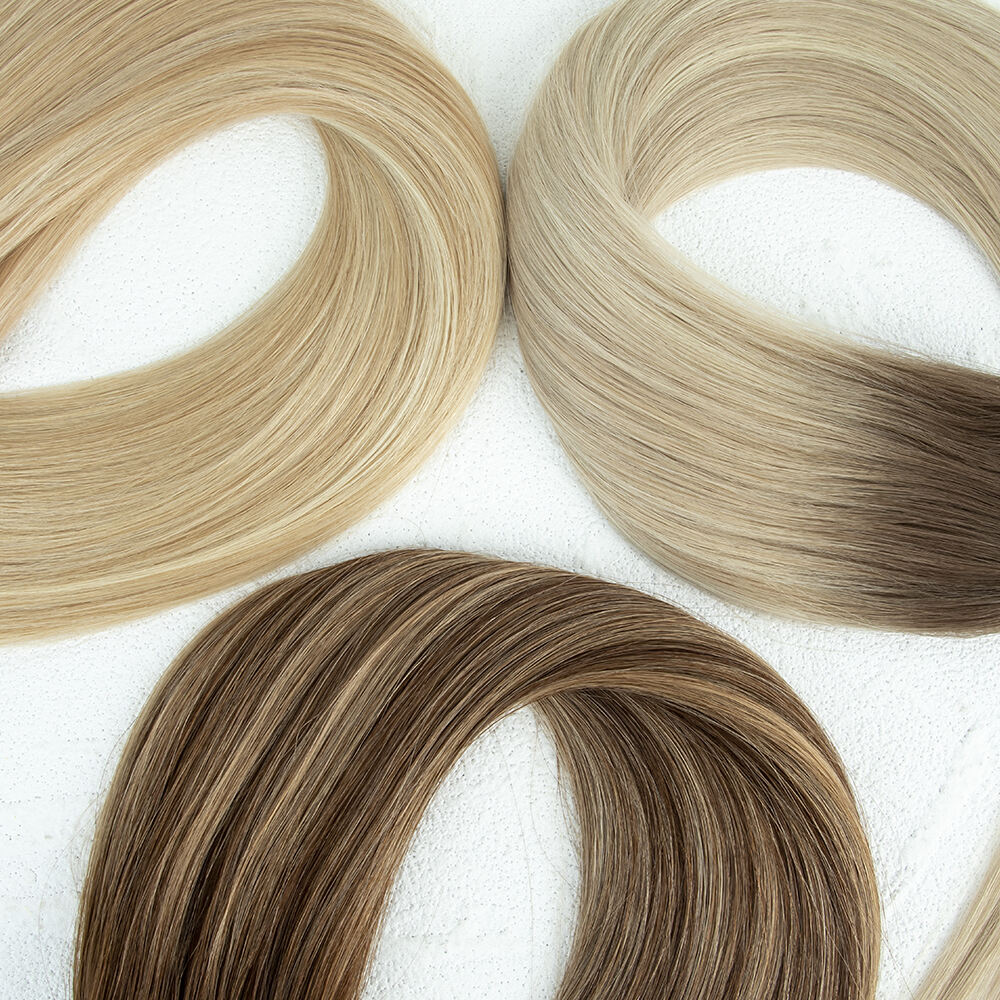
Understanding how tape in hair extensions maintain their secure hold while preserving the integrity of natural hair is essential for anyone considering this popular method of hair enhancement. These extensions utilize a sophisticated adhesive technology combined with precise application techniques that create a strong bond without compromising the health of your biological hair strands. The unique construction of tape in hair extensions relies on medical-grade adhesive strips that are specifically formulated to grip hair securely while remaining gentle enough to remove without causing breakage, traction alopecia, or structural damage to the hair shaft.
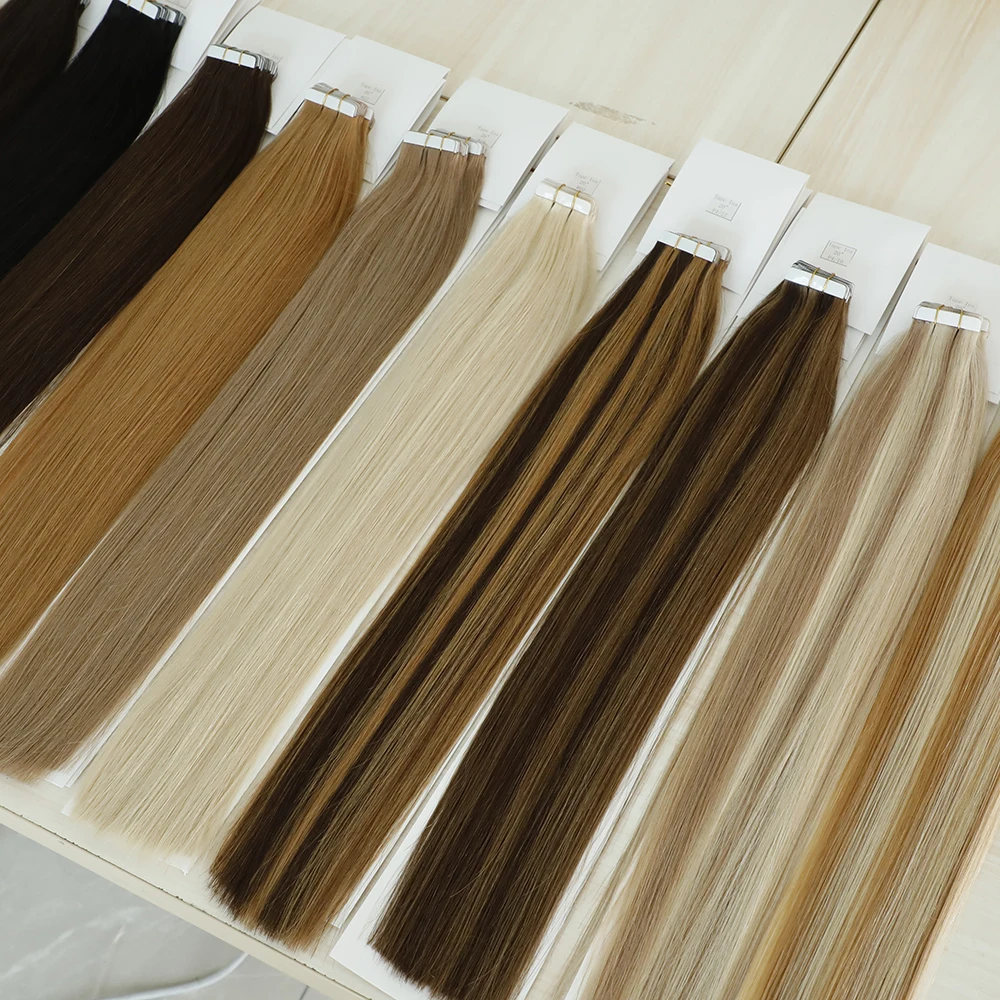
The engineering behind tape in hair extensions represents a careful balance between adhesive strength and hair safety, incorporating principles from dermatological science and polymer chemistry. Unlike traditional methods that rely on heat, tight braiding, or metal clips that can stress hair follicles and cause mechanical damage, the tape-based system distributes tension evenly across a wider surface area of natural hair. This distribution mechanism prevents concentrated stress points that typically lead to hair breakage, while the breathable nature of quality tape materials allows the scalp to maintain normal physiological functions including oil production, circulation, and follicle health throughout the wear period.
The Adhesive Technology Behind Secure Attachment
Medical-Grade Polymer Composition
The adhesive used in professional tape in hair extensions consists of medical-grade polyurethane or acrylic-based polymers that have been extensively tested for biocompatibility with human skin and hair. These specialized adhesives create molecular bonds with the natural hair cuticle through van der Waals forces rather than penetrating or chemically altering the hair structure. The polymer chains in quality adhesive strips are designed with specific molecular weights that provide optimal stickiness while maintaining flexibility, allowing the extensions to move naturally with your biological hair without creating rigid points that could snap or break individual strands during normal daily activities.
The adhesive formulation includes plasticizers that keep the tape flexible under varying temperature and humidity conditions, preventing the brittleness that could cause the bond to fail suddenly or pull on hair unevenly. Premium tape in hair extensions incorporate hypoallergenic additives that reduce the risk of scalp irritation or allergic reactions, which is particularly important for clients with sensitive skin or those who have experienced adverse reactions to other attachment methods. The thickness of the adhesive layer is precisely calibrated during manufacturing to provide sufficient bonding surface area without adding excessive bulk that would make the extensions detectable or uncomfortable against the scalp.
Pressure-Activated Bonding Mechanism
The security of tape in hair extensions relies on a pressure-activated bonding process where firm, even pressure applied during installation activates the adhesive's full bonding potential. When a trained stylist sandwiches a thin section of natural hair between two adhesive strips, the applied pressure causes the polymer chains to conform closely to the irregular surface texture of individual hair strands, creating maximum contact area for adhesion. This mechanical interlocking at the microscopic level, combined with the chemical attraction between the adhesive and hair proteins, creates a bond that can withstand normal styling activities, sleeping, and environmental exposure for several weeks.
The pressure application also eliminates air pockets between the adhesive and hair that could serve as weak points in the bond or accumulation sites for moisture and oils that gradually compromise adhesive strength. Professional installation techniques ensure that pressure is distributed evenly across the entire width of each tape in hair extensions piece, preventing edge lifting or premature detachment that could stress the attached natural hair. The adhesive's response to pressure is engineered to be permanent enough for long-term wear yet reversible with appropriate solvents, allowing for safe removal without requiring harsh chemicals or excessive force that would damage the hair.
Surface Area Distribution Principle
A critical factor in how tape in hair extensions avoid damage is the substantial surface area over which bonding forces are distributed. Each tape strip typically measures between 1.5 to 4 inches in width, and when applied to a thin section of natural hair, the adhesive contact spans this entire dimension. This wide distribution means that any pulling forces from the weight of the extensions or from manipulation during styling are spread across hundreds or even thousands of individual hair strands rather than concentrated on a small group of follicles as occurs with ring-based or bead attachment methods.
The mathematical relationship between force and pressure explains why tape in hair extensions with larger surface areas create less stress on individual hairs despite potentially adding more weight overall. By increasing the contact area, the pressure per square millimeter of hair decreases proportionally, keeping stress levels well below the threshold that would cause hair shaft fracture or follicle trauma. This engineering principle is the same one that allows snowshoes to prevent a person from sinking into snow by distributing body weight over a larger area, and it proves equally effective in protecting biological hair from the mechanical stresses inherent in wearing extensions.
Natural Hair Protection During Wear Period
Breathable Adhesive Structure
Quality tape in hair extensions feature adhesive materials with a porous molecular structure that allows air circulation and moisture vapor transmission between the scalp and the external environment. This breathability is crucial for maintaining scalp health during the typical 6 to 8 week wear period, as it prevents the buildup of sweat, sebum, and cellular debris that could lead to follicle inflammation or bacterial overgrowth. The microscopic pores in the adhesive are large enough to permit gas exchange and moisture evaporation but small enough to prevent the passage of water molecules during washing, maintaining the bond's integrity even when the hair gets thoroughly wet.
Breathable tape technology also prevents the maceration effect that can occur when skin or scalp tissue is continuously occluded by non-porous materials. Maceration weakens both the skin's barrier function and the structural integrity of hair emerging from follicles, potentially leading to breakage at the follicle exit point. By maintaining normal scalp physiology, breathable tape in hair extensions allow follicles to continue their regular growth cycles without disruption, meaning that natural hair continues to develop healthily beneath the extensions. This ongoing health maintenance distinguishes modern tape systems from older extension methods that often compromised follicle function through prolonged occlusion or tension.
Flexible Movement Properties
The flexibility engineered into professional tape in hair extensions allows them to move in harmony with natural hair rather than creating rigid attachment points that resist normal hair motion. When you move your head, brush your hair, or engage in physical activities, your biological hair flexes and shifts slightly at the root level. Extensions that cannot accommodate this natural movement create constant micro-tensions on the follicles, leading to gradual weakening and eventual traction damage. The polymer composition of quality tape adhesives includes flexibility agents that allow the bonded section to bend and move within a controlled range, preventing the rigid leverage effect that would otherwise stress the hair roots.
This flexible attachment also reduces the jarring impact when tape in hair extensions are accidentally pulled or caught on objects, distributing sudden forces gradually rather than transmitting them instantly to the follicles. The slight give in the adhesive bond acts as a shock absorber, protecting natural hair from acute traumatic damage that could occur with completely rigid attachment methods. Additionally, the flexibility prevents the development of permanent bends or creases in the natural hair at the attachment point, which can weaken the hair shaft structure and create breakage sites that would only become apparent after extension removal.
Weight Distribution Architecture
The engineering of tape in hair extensions incorporates weight distribution principles that prevent overloading any section of the scalp or hair structure. Professional application involves placing multiple smaller extension pieces strategically across the head rather than using fewer large pieces, which ensures that the total added weight is divided among many attachment points. Each attachment point bears only a fraction of the total extension weight, keeping the load on any individual follicle group well within the range that healthy hair can support without strain or damage.
The base construction of quality tape in hair extensions also contributes to weight management through the use of lightweight weft structures and carefully selected hair types that maximize volume without excessive mass. Manufacturers optimize the number of hair strands per weft to achieve the desired thickness while keeping the weight per inch of tape as low as possible. This attention to weight engineering allows wearers to achieve dramatic length and volume transformations without subjecting their natural hair to the chronic tensile stress that causes traction alopecia, follicle miniaturization, and progressive hair thinning that can result from improperly weighted extension systems.
Safe Removal Process and Damage Prevention
Solvent-Based Adhesive Dissolution
The removal process for tape in hair extensions utilizes specialized alcohol-based or oil-based solvents that chemically break down the adhesive polymer chains without affecting the keratin protein structure of natural hair. These removal solutions work by penetrating the adhesive matrix and disrupting the molecular bonds that create cohesion within the polymer, effectively liquefying the solid adhesive into a gel or liquid state that releases its grip on the hair strands. The solvent molecules are specifically chosen for their ability to dissolve the adhesive components while being gentle on hair and scalp tissue, avoiding the harsh chemicals that could strip protective lipids from the hair cuticle or cause chemical burns on sensitive scalp skin.
Professional removal protocols involve saturating the tape bonds with solvent and allowing adequate penetration time before attempting to separate the extension pieces from natural hair. This patient approach ensures that the adhesive is fully dissolved before any mechanical force is applied, preventing the pulling or tearing that would occur if someone tried to remove still-bonded tape in hair extensions through force alone. The dissolution process is typically complete within 3 to 10 minutes depending on the adhesive formulation and solvent strength, after which the extensions can be gently slid away from the natural hair with minimal resistance and zero damage to the biological hair structure.
Directional Separation Technique
The technique used to physically separate tape in hair extensions from natural hair after adhesive dissolution involves specific directional movements that align with the natural lay of the hair cuticle scales. Professional stylists are trained to slide the tape pieces downward and outward along the hair shaft direction rather than pulling perpendicular to the hair or attempting to peel the tapes apart against the cuticle orientation. This directional awareness prevents cuticle damage that would leave the hair rough, tangled, and prone to breakage after extension removal.
The separation process also incorporates sectioning techniques that isolate small groups of hair during removal, preventing multiple extension pieces from becoming tangled together or creating knots in the natural hair. By working systematically through each attachment point with proper sectioning and directional removal motion, trained professionals can remove an entire head of tape in hair extensions in 30 to 60 minutes without causing any structural damage to the client's biological hair. This careful technique preserves the hair's integrity for immediate reinstallation of fresh extensions or allows the natural hair to return to its pre-extension condition without a recovery period needed to repair damage.
Post-Removal Hair Conditioning
Following the removal of tape in hair extensions, proper conditioning treatments help restore any minor lipid depletion that may have occurred during the solvent application process. While quality removal products are formulated to be hair-safe, they can temporarily reduce the natural oils coating the hair shaft, leaving it slightly more porous and vulnerable to environmental moisture. Professional salons typically apply intensive conditioning treatments or hair masks immediately after extension removal to replenish these protective lipids and seal the hair cuticle, ensuring that the natural hair emerges from the extension experience in optimal condition.
This post-removal conditioning also addresses any minor tangling or roughness that may have developed during the wear period, smoothing the cuticle layer and detangling any shed hairs that accumulated near the tape bonds. The conditioning process is particularly important for clients who plan to immediately reinstall new tape in hair extensions, as it prepares the hair surface for optimal adhesion while ensuring that the new installation begins with hair in the healthiest possible state. This cyclical maintenance approach allows clients to wear tape in hair extensions continuously for years without accumulating progressive damage that would eventually compromise hair health or quality.
Installation Variables That Affect Hair Safety
Section Thickness and Hair Volume Ratio
The safety of tape in hair extensions depends critically on using appropriately thin sections of natural hair at each attachment point, ensuring that the ratio of extension hair weight to natural hair volume remains within safe limits. Professional installation protocols specify taking sections of natural hair that are no thicker than the width of the tape base itself, typically ranging from one-eighth to one-quarter inch in thickness depending on the client's hair density. This thin sectioning ensures that each piece bonds to enough natural hair strands to support the extension weight without overloading any individual follicles.
When sections are taken too thickly, the adhesive cannot effectively grip all the hairs within the section, leading to inadequate bonding that causes premature slippage or uneven tension distribution. Conversely, when sections are taken too thinly with insufficient natural hair, the attachment points become overloaded and create excessive tension that can lead to breakage or traction damage. Experienced extension specialists develop tactile sensitivity for the correct section thickness through training and practice, ensuring that each tape in hair extensions piece is applied to an optimal amount of natural hair that balances security with safety throughout the entire wear period.
Placement Distance from Scalp
The positioning of tape in hair extensions relative to the scalp significantly influences both the security of attachment and the risk of hair damage. Professional installation techniques place the tape bonds at a specific distance from the scalp, typically between one-quarter and one-half inch away from the root emergence point. This positioning provides several advantages including allowing some natural hair growth before the bonds become too close to the scalp, preventing the adhesive from contacting sensitive scalp skin which could cause irritation, and creating a small flexible zone of natural hair between the scalp and the rigid attachment point that accommodates normal hair movement without transmitting forces directly to the follicles.
Placement too close to the scalp increases the risk of adhesive contact with skin, potentially causing allergic reactions or follicle inflammation, while also limiting the ability of natural hair to move freely at its emergence point. Placement too far from the scalp creates visible gaps between the scalp and the extension hair, compromising the natural appearance of the tape in hair extensions and increasing the leverage effect where the weight of the extensions creates greater rotational force on the attachment point. Professional stylists use consistent measurement techniques or visual guides to maintain optimal placement distance across all attachment points, ensuring uniform appearance and safety throughout the installation.
Pattern Layout and Tension Distribution
The overall pattern in which tape in hair extensions are arranged across the head influences how well weight and tension are distributed across the entire scalp structure. Strategic placement patterns position attachment points in brick-like or staggered arrangements that prevent vertical lines of tension and distribute forces multidirectionally. This pattern engineering ensures that no single area of the scalp bears disproportionate weight and that the natural hair between attachment points remains free to move and grow without constraint.
Professional installation also accounts for areas of the scalp that are naturally more sensitive to tension or where hair tends to be finer and more fragile. The hairline, temple regions, and areas behind the ears typically require lighter coverage with fewer or smaller tape in hair extensions pieces, while the denser hair in the occipital and crown regions can support more substantial extension placement. This customized approach to pattern layout ensures that the installation is optimized for both aesthetic results and hair safety, preventing the uniform application approach that might create damage in vulnerable areas while underutilizing the stronger hair zones that could safely support additional extensions.
Long-Term Hair Health Maintenance
Growth Accommodation and Timely Maintenance
Natural hair continues growing at approximately half an inch per month while wearing tape in hair extensions, which gradually changes the positioning of the tape bonds relative to the scalp. This growth process necessitates regular maintenance appointments where extensions are removed and reinstalled closer to the scalp to maintain optimal positioning and prevent excessive distance between the attachment points and roots. Professional maintenance schedules typically recommend adjustments every 6 to 8 weeks, timed to occur before the growth distance becomes problematic for either security or hair health.
Allowing tape in hair extensions to remain in place too long as natural hair grows creates several problems including increased visibility of the attachment points, greater leverage effect as the weight center moves farther from the scalp, and potential matting or tangling of the natural hair growing out above the tape bonds. Regular maintenance visits prevent these issues while providing opportunities for stylists to assess the condition of the natural hair, adjust the extension placement pattern if needed, and apply conditioning treatments that maintain hair health between installation cycles. This ongoing professional oversight is a crucial component of damage prevention that distinguishes properly maintained tape in hair extensions from neglected installations that can indeed cause harm to natural hair.
Proper Home Care Protocols
Daily hair care practices significantly influence whether tape in hair extensions remain secure and damage-free throughout their wear period. Proper brushing technique using extension-safe brushes that start at the ends and work upward prevents pulling on the tape bonds and reduces the tension transmitted to natural hair roots during detangling. Clients are instructed to hold the hair above each section being brushed to isolate tension to the extension hair rather than allowing it to transfer to the attachment points, a technique that becomes intuitive with practice but requires initial training to perform correctly.
Washing protocols for hair with tape in hair extensions emphasize downward water flow and gentle product application that avoids aggressive scrubbing at the tape bond locations. Conditioners and treatment products should be applied primarily to the mid-lengths and ends of the combined natural and extension hair rather than at the roots where product buildup could compromise adhesive integrity. Nighttime protection through loose braiding or silk pillowcases reduces friction and tangling during sleep, preventing the mechanical stress that could gradually weaken tape bonds or damage natural hair through repeated pulling and knotting during hours of unconscious movement.
Professional Quality Standards
The safety of tape in hair extensions ultimately depends on using professionally manufactured products that meet rigorous quality standards for both the hair and the adhesive components. Commercial-grade extensions intended for salon use undergo testing for adhesive strength consistency, biocompatibility, and durability under various environmental conditions that cheaper consumer products may not receive. Professional products also feature higher quality human hair that maintains its cuticle integrity and natural texture, blending seamlessly with biological hair and requiring less styling manipulation that could stress both the extensions and the natural hair.
Equally important is the expertise of the installation specialist, as even the highest quality tape in hair extensions can cause damage when improperly applied by untrained individuals. Professional certification programs teach stylists the anatomical knowledge, sectioning techniques, adhesive handling, and pattern planning skills necessary to install extensions safely and effectively. Choosing to have tape in hair extensions applied by a certified specialist rather than attempting self-application or using unlicensed practitioners represents a critical decision point that largely determines whether the experience will be damaging or completely safe for natural hair health.
FAQ
Can tape in hair extensions be worn during exercise and swimming?
Tape in hair extensions can be worn during most exercise activities, as the adhesive bonds are designed to withstand perspiration and remain secure during physical movement. However, swimming requires special consideration because prolonged water exposure, particularly in chlorinated or saltwater environments, can gradually weaken adhesive bonds over time. When swimming is unavoidable, wearing a protective swim cap or minimizing water contact at the root area helps preserve bond integrity. After swimming, thoroughly rinsing the hair with fresh water and applying leave-in conditioning products helps counteract any drying effects from pool or ocean water, maintaining both extension and natural hair health throughout active lifestyles.
How soon after chemical treatments can tape in hair extensions be safely installed?
Chemical treatments including permanent coloring, bleaching, relaxing, or perming should ideally be completed at least two weeks before installing tape in hair extensions to allow the hair cuticle to stabilize and ensure accurate assessment of hair strength. Chemically treated hair may have altered porosity or reduced tensile strength that affects both how well tape adhesive bonds and how much weight the hair can safely support. Professional stylists typically perform strand strength tests on chemically treated hair before proceeding with extension installation, and may recommend protein treatments or bonding reinforcement if the chemical processing has significantly compromised hair structure. Conversely, color services can often be performed safely on hair already wearing tape in hair extensions when conducted by experienced colorists who understand how to protect the tape bonds during processing.
What signs indicate that tape in hair extensions are causing damage to natural hair?
Warning signs that tape in hair extensions may be causing damage include increased shedding beyond the normal 50-100 strands daily, visible breakage with short broken hairs around attachment areas, tenderness or soreness of the scalp particularly at extension points, or visible thinning in areas where extensions are placed. Additionally, difficulty removing tangles near the tape bonds, excessive matting of natural hair, or tape pieces that slip or loosen prematurely may indicate improper installation that is stressing the hair. Any of these symptoms warrant immediate consultation with a professional extension specialist who can assess whether the extensions need to be removed, repositioned, or if the installation technique requires modification to prevent ongoing damage.
Are tape in hair extensions suitable for all hair types and textures?
Tape in hair extensions work best on straight to moderately wavy hair textures where the flat tape base can create maximum contact with the natural hair surface for optimal adhesion. Very curly or coily hair textures present challenges because the curved hair shape reduces the effective contact area between tape and hair, potentially compromising bond security. However, specialized application techniques and modified tape products designed specifically for textured hair have expanded the suitability range, allowing more hair types to wear tape extensions successfully. Hair must also have sufficient density and strength to support the extension weight, meaning very fine, fragile, or severely damaged hair may not be good candidates for tape in hair extensions regardless of texture, with alternative methods like clip-in extensions or halo styles being safer options for compromised hair.
Table of Contents
- The Adhesive Technology Behind Secure Attachment
- Natural Hair Protection During Wear Period
- Safe Removal Process and Damage Prevention
- Installation Variables That Affect Hair Safety
- Long-Term Hair Health Maintenance
-
FAQ
- Can tape in hair extensions be worn during exercise and swimming?
- How soon after chemical treatments can tape in hair extensions be safely installed?
- What signs indicate that tape in hair extensions are causing damage to natural hair?
- Are tape in hair extensions suitable for all hair types and textures?