 EN
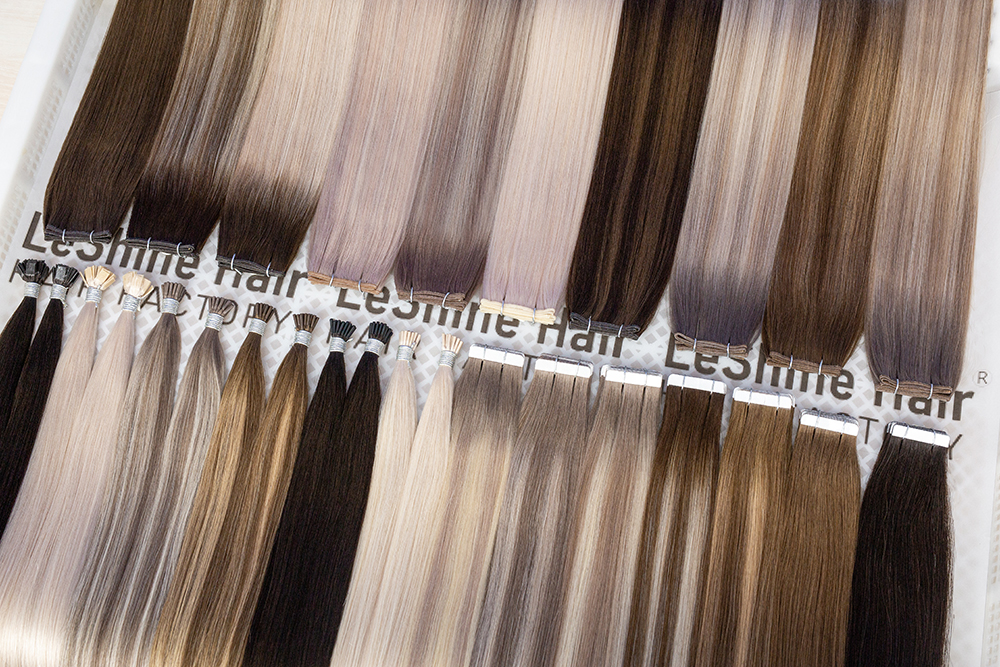
Human hair extensions offer remarkable versatility when it comes to styling and customization. Unlike synthetic alternatives, genuine hair extensions human hair can be dyed, curled, and straightened just like natural hair grown from your scalp. This flexibility makes them an attractive choice for individuals seeking to match their existing hair color, create dramatic new looks, or achieve specific styling goals. Understanding how to properly transform your extensions ensures they maintain their quality and longevity while delivering the aesthetic results you desire.
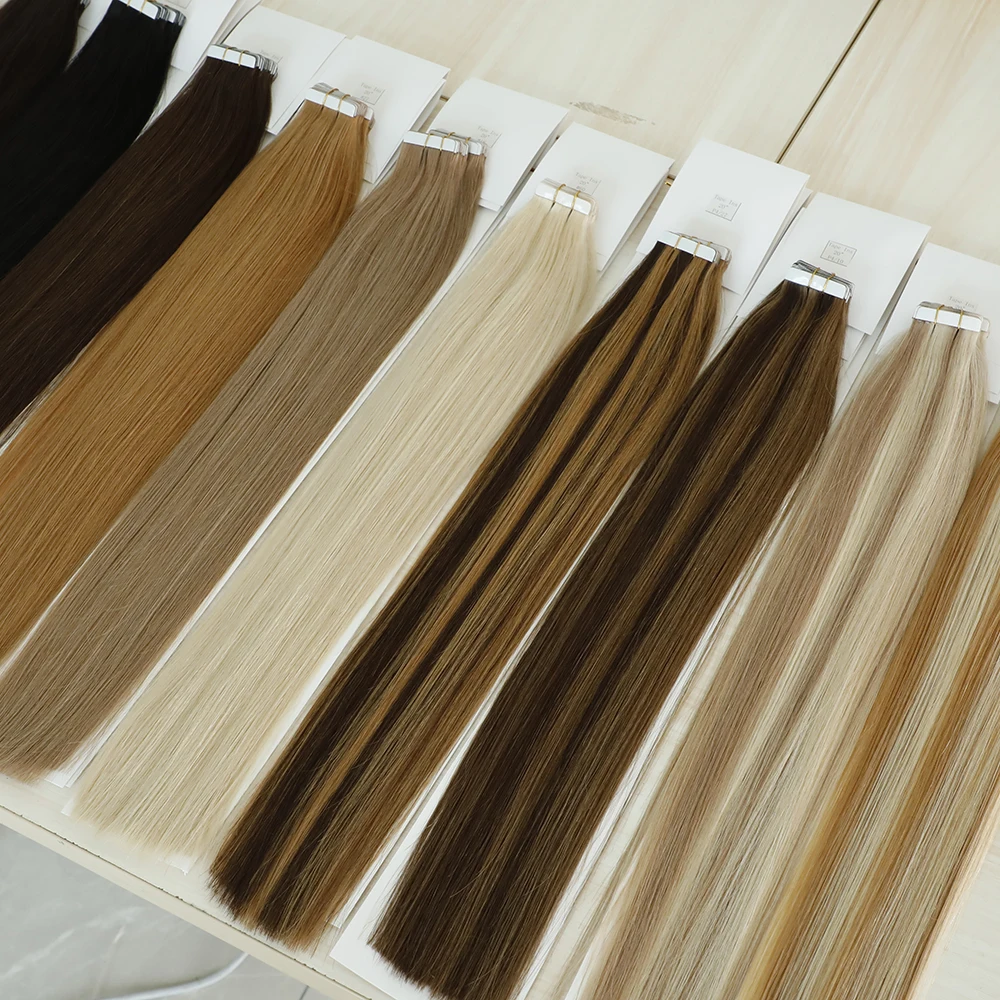
The capability to style human hair extensions makes them significantly more adaptable than synthetic options. Whether you work with seamless hair extensions, tape-in methods, or other hair extension application methods, the underlying principle remains consistent. Remy hair and virgin hair extensions respond to heat and chemical treatments similarly to natural hair because they retain their cuticle alignment and protein structure. This article explores the practical aspects of dyeing, curling, and straightening human hair extensions while emphasizing proper care techniques that preserve their integrity and appearance over time.
Dyeing Human Hair Extensions
Color Treatment Fundamentals
Dyeing human hair wigs and extensions requires understanding the hair's porosity and existing color. Virgin hair, which has never been chemically treated, accepts color differently than pre-colored extensions. Before applying any dye to your seamless hair extensions, conduct a strand test to determine how the hair will react. This prevents surprises and allows you to adjust the processing time or developer strength accordingly. Professional-grade dyes specifically formulated for extensions deliver superior results compared to drugstore alternatives, which may contain harsh chemicals that compromise the hair structure.
Dyeing Process and Aftercare
When dyeing human hair extensions, follow these essential guidelines. Mix your chosen color with a developer appropriate for your hair's current shade and desired result. Apply the dye evenly from roots to ends, ensuring complete saturation. Most colors require 25 to 45 minutes of processing time. Rinse thoroughly with cool water and use a color-safe conditioner to lock in moisture. After dyeing, treat your hair extension application methods with extra care by using sulfate-free shampoos and deep conditioning treatments weekly. This maintains color vibrancy and prevents the extensions from becoming dry or brittle. Store dyed extensions separately in a cool, dry location away from direct sunlight to minimize fading.
Curling and Waving Techniques
Heat-Based Curling Methods
Human hair extensions respond beautifully to curling irons, blow dryers with diffuser attachments, and barrel curlers. The key to successful curling lies in applying heat protectant products beforehand. Always use a moderate heat setting, typically between 300 and 350 degrees Fahrenheit, to avoid damaging the cuticles. When using curling irons on human hair wigs and extensions, work in small sections, wrapping the hair around the barrel for 8 to 12 seconds depending on desired tightness. For looser waves, use larger barrel sizes and briefer heat exposure. Seamless hair extensions hold curls exceptionally well, especially if the hair has been dyed or previously styled, as the texture becomes slightly more receptive to hold.
Chemical Waves and Perms
Chemical wave treatments and perms offer a permanent or semi-permanent curl solution for hair extensions human hair. These treatments use alkaline solutions to break disulfide bonds in the hair structure, allowing the hair to reform into a new wave pattern. Professional application is strongly recommended to avoid over-processing. Processing times typically range from 15 to 30 minutes depending on the extension type and desired wave size. After chemical waving, deep condition the extensions intensively and follow a specialized maintenance routine. Many users find that combining chemical waves with heat styling creates texture that lasts longer and looks more natural than either method alone. Always wait at least two weeks between chemical treatments to allow the hair structure to recover.
Straightening Methods and Maintenance
Flat Iron Straightening
Straightening human hair extensions using flat irons remains one of the most popular styling approaches. Apply heat protectant spray generously before straightening to shield the hair from thermal damage. Use a flat iron with ionic technology, which helps reduce frizz and seal the cuticle layer. Work through small sections using smooth, controlled strokes from root to end. Temperature settings should remain between 300 and 350 degrees Fahrenheit for seamless hair extensions to minimize protein loss. Straightened hair extensions can maintain their smooth appearance for several days or even a week with proper nighttime care, such as braiding the hair or using a silk pillowcase to reduce friction.
Chemical Straightening Treatments
Chemical straightening treatments such as keratin smoothing, relaxers, or Japanese straightening offer longer-lasting results for human hair wigs and extensions. These treatments break down the natural curl pattern and reshape the hair structure. Processing typically takes 2 to 4 hours depending on the treatment type and the number of extensions. After chemical straightening, wait 48 hours before washing the hair and then use sulfate-free, smoothing-specific shampoos and conditioners. Maintain the straightened effect with regular deep conditioning treatments every two weeks. Chemical straightening is more intensive than heat styling, so space treatments at least 8 to 12 weeks apart to prevent excessive protein depletion. Extensions subjected to multiple chemical treatments require enhanced moisture management and may have a shorter usable lifespan than those styled primarily with heat.
Long-Term Care for Styled Extensions
Moisturizing Routines
Whether dyed, curled, or straightened, all styling modifications increase the extension's need for moisture and nourishment. Implement a weekly deep conditioning treatment using products specifically formulated for extensions. Protein-rich treatments help restore strength and elasticity lost during chemical or heat styling. Apply conditioning masks from mid-length to ends, avoiding the attachment points where hair extension application methods secure the extensions to natural hair. Leave-in conditioners provide ongoing moisture between washes and reduce styling damage. Avoid excessive washing, which strips natural oils; aim for cleaning your extensions once every 5 to 7 days depending on your activity level and environmental conditions.
Storage and Longevity
Proper storage extends the life of styled human hair extensions significantly. Store extensions in a cool, dry place away from direct sunlight and heat sources. Use a padded hanger or extension storage bag to prevent tangling and matting. Before storage, brush extensions gently and ensure they are completely dry to prevent mold growth. If extensions develop dryness or brittleness despite proper care, professional conditioning treatments at a salon specializing in hair extension application methods can restore vitality. Most well-maintained styled extensions remain wearable for 1 to 2 years with proper care, though some deterioration naturally occurs as the hair ages.
FAQ
Will dyeing human hair extensions damage them permanently?
Dyeing human hair extensions does not cause permanent damage if done correctly. Using professional-grade dyes, proper developer ratios, and following appropriate processing times minimizes risk. The real challenge lies in maintaining the dyed hair afterward through intensive conditioning and heat protection. Virgin hair extensions generally dye more safely than previously colored extensions. However, repeated dyeing without proper maintenance can gradually degrade the hair structure, making it appear dull or brittle over time.
Can seamless hair extensions handle daily heat styling?
Seamless hair extensions can tolerate daily heat styling if you use proper protective products and moderate temperatures. Applying heat protectant spray before each styling session creates a barrier that reduces thermal damage. Most professionals recommend limiting daily heat styling to 2 to 3 days per week for optimal longevity. Incorporating air-drying and heat-free styling methods protects the extensions' integrity. Extensions that endure daily high-heat styling will require more frequent deep conditioning and may have a shorter lifespan than those styled less frequently.
How long do styled human hair wigs typically last?
Well-maintained styled human hair wigs and extensions typically last 1 to 2 years of regular wear. Longevity depends on the quality of hair, frequency of styling, maintenance consistency, and environmental factors. Virgin remy hair extensions generally last longer than lower-grade alternatives. Extensions subjected to multiple chemical treatments experience faster deterioration than those primarily styled with heat. With meticulous care including weekly conditioning, protective styling at night, and limiting chemical treatments to 2 to 3 times yearly, high-quality extensions can potentially exceed the 2-year mark.