 EN
EN

Maintaining smooth, tangle-free hair extensions requires dedication, proper technique, and the right products to ensure your investment looks beautiful for months. Weft hair extensions represent a significant investment in your appearance, and proper care directly impacts their longevity and aesthetic appeal. Whether you've chosen hand-tied, machine-sewn, or clip-in varieties, understanding the fundamental principles of extension maintenance will help you avoid common pitfalls that lead to premature tangling, matting, and damage. Professional stylists consistently emphasize that prevention is far more effective than attempting to remedy damaged extensions after problems have already developed.
The key to maintaining pristine weft hair extensions lies in establishing consistent daily routines that protect the hair fiber integrity while preserving the attachment points. Many clients make the mistake of treating their extensions exactly like their natural hair, not realizing that synthetic and human hair extensions have different requirements for optimal care. Understanding these differences will help you develop effective maintenance strategies that keep your extensions looking salon-fresh between professional appointments. Regular maintenance not only preserves the appearance of your extensions but also protects your natural hair from unnecessary stress and potential damage.
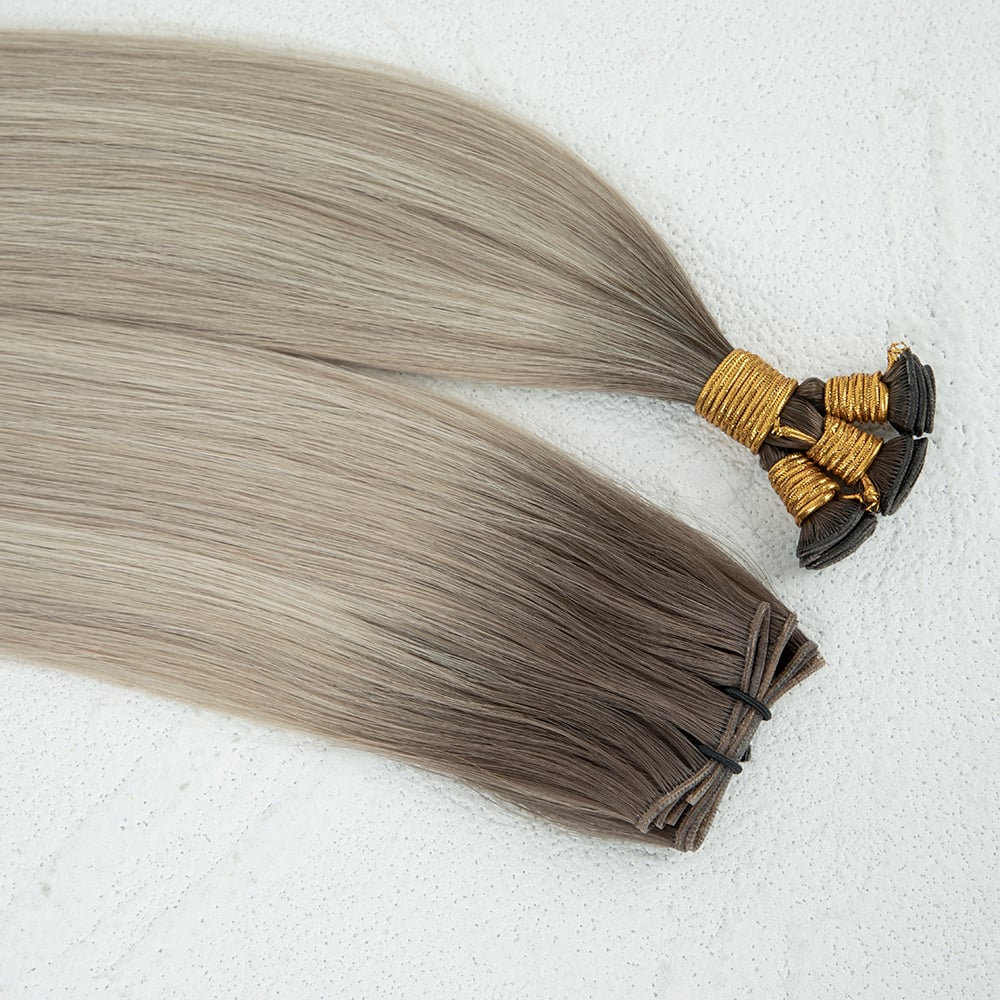
Different weft hair extensions utilize varying construction methods that directly influence their care requirements and vulnerability to tangling. Hand-tied wefts feature individual hair strands carefully knotted onto a thin, flexible base, creating a lightweight option that lies flat against the scalp but requires gentle handling to prevent loosening. Machine-sewn wefts use industrial stitching to secure hair bundles to a reinforced tape or fabric base, offering greater durability but potentially creating more bulk that can trap debris and oils. Understanding your specific weft type helps you tailor your care routine to address the unique challenges each construction method presents.
The quality of the hair fiber itself significantly impacts how weft hair extensions respond to environmental factors, styling products, and daily manipulation. Virgin human hair extensions maintain their natural cuticle structure, allowing them to respond more naturally to humidity and temperature changes while requiring pH-balanced products to maintain optimal condition. Processed human hair has undergone chemical treatments that may compromise the cuticle integrity, making these extensions more susceptible to tangling and requiring additional protective measures. Synthetic weft extensions offer consistent appearance and lower maintenance requirements but may become tangled more easily when exposed to heat or friction.
Attachment points represent the most critical areas for preventing tangling and maintaining the longevity of weft hair extensions throughout their lifespan. The junction where extensions meet natural hair creates a potential collection point for oils, products, and environmental debris that can gradually build up and cause matting if not properly addressed. Regular inspection and cleaning of these areas prevents the accumulation of residue that can migrate down the hair shaft and create widespread tangling issues. Professional stylists recommend paying special attention to the area immediately below the attachment point, where natural hair oils tend to accumulate.
The ends of weft hair extensions are particularly vulnerable to splitting, fraying, and tangling because they lack the natural protection of sebaceous oils that coat virgin hair from root to tip. Environmental exposure, friction from clothing and pillowcases, and chemical damage from styling products can cause the hair cuticles to lift and interlock, creating increasingly severe tangles that are difficult to resolve without professional intervention. Understanding these vulnerability points allows you to implement targeted protection strategies that address the specific needs of each area while maintaining overall extension health.
Beginning each day with proper preparation significantly reduces the likelihood of tangling throughout your daily activities and sets the foundation for long-term extension health. Start by gently finger-combing your weft hair extensions to identify any small tangles that developed overnight, addressing them immediately before they have the opportunity to worsen or spread to surrounding hair sections. Use a wide-tooth comb or specialized extension brush to work through the hair systematically, starting from the ends and gradually working toward the roots to avoid placing unnecessary stress on the attachment points. This methodical approach prevents the formation of larger tangles that require more aggressive removal techniques.
Apply a lightweight leave-in conditioner or detangling spray specifically formulated for extensions to create a protective barrier that reduces friction throughout the day. These products should be applied primarily to the mid-shaft and ends of the hair, avoiding the attachment points where excess product buildup can compromise the bond integrity. Choose silicone-free formulations when possible, as heavy silicones can create buildup that attracts dirt and debris while weighing down the extensions and creating an unnatural appearance. The goal is to provide sufficient moisture and protection without overwhelming the hair fiber with heavy products.
Establishing a consistent evening routine protects weft hair extensions from the friction and movement that occurs during sleep, significantly reducing morning tangles and extending the overall lifespan of your investment. Begin by gently brushing your extensions using the same systematic approach used in your morning routine, paying particular attention to removing any product buildup or environmental debris accumulated throughout the day. This prevents overnight matting and ensures that any small tangles are addressed before they have the opportunity to worsen while you sleep.
Create a protective sleeping environment by using silk or satin pillowcases that reduce friction against the hair shaft while you move during sleep. Consider loosely braiding your weft hair extensions or securing them in a low, soft ponytail using fabric-covered elastic bands that won't snag or break the hair fiber. Avoid tight hairstyles that can create tension on the attachment points or cause crimping that leads to weakened areas vulnerable to tangling. Some clients find that wearing a silk bonnet or scarf provides additional protection while maintaining the hairstyle throughout the night.
Determining the appropriate washing frequency for weft hair extensions depends on your lifestyle, natural oil production, and the specific type of extensions you're wearing, with most professionals recommending washing every 7-10 days to maintain optimal condition. Over-washing can strip natural oils and protective products from the hair fiber, leading to dryness and increased tangling, while under-washing allows buildup to accumulate at the attachment points and throughout the hair shaft. Monitor your extensions' appearance and feel to establish a personalized schedule that keeps them clean without compromising their integrity or your comfort level.
When washing weft hair extensions, use lukewarm water and sulfate-free shampoo to gently cleanse without stripping essential moisture or damaging the hair cuticle structure. Apply shampoo primarily to the scalp and attachment areas where oil and product buildup naturally occur, allowing the cleanser to flow through the length of the extensions without aggressive rubbing or manipulation. Focus on massaging the scalp with your fingertips rather than scrubbing the hair itself, which can cause unnecessary friction and contribute to tangling. Rinse thoroughly to ensure no product residue remains, as buildup can attract dirt and create a heavy, unnatural appearance.
Regular deep conditioning treatments restore moisture and flexibility to weft hair extensions, particularly those that have undergone chemical processing or extended wear periods that may have compromised their natural structure. Apply a high-quality deep conditioner or protein treatment from mid-shaft to ends, avoiding the attachment points where heavy products can interfere with the bond integrity or create slippage issues. Allow the treatment to penetrate for the manufacturer's recommended time, typically 10-15 minutes, while gently combing through with a wide-tooth comb to ensure even distribution and remove any minor tangles.
Protein treatments should be used sparingly, typically once every 4-6 weeks, as overuse can make extensions brittle and more prone to breakage and tangling. Monitor your hair's response to different treatments and adjust your routine accordingly, noting any changes in texture, flexibility, or appearance that might indicate the need for modified care protocols. Some extensions benefit from alternating between moisturizing and protein treatments to maintain the optimal balance of strength and flexibility that prevents tangling while preserving the hair's natural movement and appearance.
Selecting appropriate styling products for weft hair extensions requires careful consideration of ingredients that enhance manageability without causing buildup, weighing, or compromising the attachment system integrity. Look for lightweight formulations that provide hold and protection without heavy oils or waxes that can attract dirt and create a greasy appearance over time. Water-based products generally work better than oil-based alternatives for most extension types, as they provide the desired styling effects while remaining easy to remove during regular washing routines.
Avoid products containing alcohol, sulfates, or harsh detergents that can dry out the hair fiber and make it more susceptible to tangling and breakage. Heat protectants are essential when using styling tools, but choose silicone-free options that won't build up over time and create a barrier that prevents moisture from penetrating the hair shaft. Read ingredient labels carefully and research any unfamiliar components to ensure they won't negatively interact with your specific extension type or attachment method.
Proper product application technique maximizes the benefits of your chosen styling products while minimizing the risk of buildup or interference with your weft hair extensions' natural movement and appearance. Apply products systematically, starting with the smallest amount necessary and adding more as needed rather than using excessive amounts that can overwhelm the hair fiber. Distribute products evenly through small sections using your fingers or a wide-tooth comb, ensuring complete coverage without creating heavy concentrations in any particular area.
Focus product application on the areas that need the most protection or control, typically the mid-shaft and ends where dryness and tangling are most likely to occur. Avoid applying styling products directly to the attachment points or roots, where they can interfere with the bond integrity or create an unnatural appearance. Allow products to absorb fully before proceeding with styling or additional product applications, as layering wet products can create clumping and uneven distribution that affects the final result.
Environmental factors significantly impact the condition and manageability of weft hair extensions, requiring proactive protection strategies to prevent weather-related tangling and damage. High humidity levels can cause extension fibers to swell and become more prone to tangling, while extremely dry conditions can make hair brittle and susceptible to static electricity that creates flyaways and knots. Understanding how your extensions respond to different weather conditions allows you to implement appropriate protective measures before exposure occurs.
Wind exposure poses a particular challenge for extension wearers, as the constant movement and friction can create tangles that are difficult to remove without professional assistance. Consider protective hairstyles such as loose braids or low buns when spending extended time outdoors in windy conditions, ensuring that the style doesn't create tension on the attachment points. UV radiation can also degrade the hair fiber structure over time, making extensions more vulnerable to tangling and breakage, so consider using UV protection sprays or covering your hair when spending long periods in direct sunlight.
Swimming pools and ocean water present unique challenges for maintaining tangle-free weft hair extensions due to chemical exposure, salt content, and the prolonged moisture exposure that can compromise hair structure. Chlorine and other pool chemicals can strip protective oils from extension fibers while creating a rough, porous texture that encourages tangling and matting. Before swimming, wet your extensions thoroughly with clean water and apply a leave-in conditioner to create a protective barrier that reduces chemical absorption.
After swimming, immediately rinse your extensions with fresh water to remove chemicals, salt, or debris that may have accumulated during your water activities. Gently squeeze excess water from the hair without twisting or wringing, which can cause cuticle damage and increase tangling potential. Apply a lightweight detangling product and carefully comb through the extensions while they're still damp, as wet hair is more elastic and less likely to break during the detangling process. Consider braiding or securing your extensions during water activities to minimize movement and friction that can lead to severe tangling.
Recognizing the early signs of tangling allows for prompt intervention that can prevent minor issues from developing into serious problems requiring professional attention or extension replacement. Small knots or areas where individual hair strands seem to stick together often indicate the beginning stages of matting, especially when accompanied by changes in texture or increased resistance during combing. Address these issues immediately using gentle detangling techniques and appropriate products before they have the opportunity to worsen or spread to surrounding hair sections.
Changes in how your weft hair extensions move or fall can also indicate developing tangling issues that may not be immediately visible during casual inspection. Extensions that feel heavier, appear less shiny, or don't respond normally to styling may be experiencing internal matting or product buildup that requires targeted intervention. Regular professional maintenance appointments allow experienced stylists to identify and address these issues before they become noticeable to you or require more aggressive correction methods that could compromise the extensions' integrity.
Minor tangles can often be resolved using gentle finger work and appropriate detangling products applied to damp extensions for increased manageability and reduced breakage risk. Start by applying a generous amount of detangling spray or lightweight conditioner to the affected area, allowing it to penetrate for several minutes before attempting to work through the tangle. Use your fingers to gently separate the tangled strands, working from the outside of the knot toward the center to avoid tightening the tangle further.
More severe tangles may require professional intervention to avoid damage to both the extensions and your natural hair, particularly when multiple wefts are involved or when the tangling extends close to the attachment points. Attempting to remove severe tangles without proper expertise and tools can result in hair breakage, extension damage, or loosening of the attachment system that compromises the overall installation. Professional stylists have specialized tools and techniques for safely resolving complex tangling issues while preserving the maximum amount of usable hair and maintaining the integrity of the attachment system.
Regular professional maintenance appointments are essential for maintaining the health and appearance of weft hair extensions while preventing serious tangling issues that can compromise your investment. Professional stylists can identify potential problems during their early stages, perform deep cleaning and conditioning treatments that aren't possible with at-home care, and make necessary adjustments to ensure optimal comfort and appearance. Most professionals recommend maintenance appointments every 6-8 weeks, though this schedule may vary based on your hair type, lifestyle, and the specific extension system you're using.
During professional appointments, stylists can perform thorough inspections of the attachment points, assess the overall condition of your extensions, and provide personalized recommendations for adjusting your home care routine. They can also remove any buildup that may have accumulated despite regular home maintenance, perform protein or moisture treatments as needed, and ensure that your extensions continue to blend seamlessly with your natural hair. These appointments also provide an opportunity to discuss any concerns or changes you've noticed in your extensions' behavior or appearance.
Understanding the typical lifespan of your weft hair extensions helps you plan for replacement before deterioration affects your daily styling routine or overall appearance. High-quality human hair extensions can last 6-12 months with proper care, while synthetic options typically require replacement every 3-6 months depending on usage and maintenance quality. Factors such as your natural hair growth rate, styling frequency, and environmental exposure all influence how long your extensions will maintain their optimal appearance and manageability.
Planning ahead for extension replacement allows you to budget appropriately while ensuring continuity in your hair routine without gaps in coverage or style availability. Discuss replacement timelines with your stylist during maintenance appointments, and consider factors such as seasonal changes, upcoming events, or lifestyle modifications that might influence your extension needs. Some clients choose to gradually transition between extension sets, removing and replacing sections over multiple appointments to maintain consistent coverage while allowing their natural hair to recover between installations.
You should brush weft hair extensions twice daily using a wide-tooth comb or specialized extension brush, starting from the ends and working toward the roots. Morning brushing removes overnight tangles, while evening brushing eliminates daily buildup and prepares your extensions for sleep protection. Always brush gently and systematically to avoid stress on the attachment points, and never brush wet extensions except during conditioning treatments when they're protected with detangling products.
While you can occasionally sleep with extensions down on silk or satin pillowcases, securing them in a loose braid or low ponytail provides better protection against tangling and friction damage. Use fabric-covered elastics and avoid tight hairstyles that create tension on the attachment points or cause crimping. The key is finding a balance between protection and comfort that you can maintain consistently as part of your nightly routine.
If matting occurs near the attachment points, avoid aggressive pulling or tugging that could damage your natural hair or loosen the extensions. Apply a detangling spray to the affected area and gently work through the mat using your fingers, starting from the edges and working inward. For severe matting or if you're uncomfortable attempting removal yourself, schedule an immediate appointment with your stylist who can safely address the issue using professional techniques and tools.
Avoid products containing sulfates, alcohol, heavy oils, and petroleum-based ingredients that can cause buildup, dryness, or interference with attachment systems. Silicone-heavy products should also be used sparingly as they can create coating that prevents moisture penetration and attracts environmental debris. Choose lightweight, water-based formulations specifically designed for extensions or chemically-treated hair, and always read ingredient labels to ensure compatibility with your specific extension type and attachment method.